



Coronary Bypass Surgery in Mumbai - Who Needs CABG and What to Expect Before and After Surgery
Coronary artery bypass graft (CABG) surgery is one of the most effective treatments for severe coronary artery disease, and Mumbai's hospitals offer advanced cardiac surgery capabilities for patients who need it. Understanding who typically needs this surgery and what the journey before and after involves can ease much of the uncertainty that comes with a heart surgery recommendation.
This guide walks through the key indicators for CABG, how to prepare, and what recovery looks like at each stage.
Knowing what to expect at each phase, from the initial diagnosis through full recovery, can help patients and families feel more grounded throughout the process.
Understanding Coronary Artery Disease
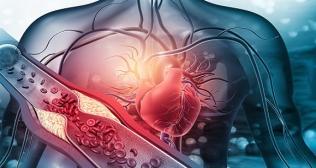
Coronary artery disease develops when fatty deposits, called plaque, build up inside the arteries supplying blood to the heart, gradually narrowing them and restricting blood flow. Over time, this can cause chest pain (angina), shortness of breath, or lead to a heart attack if a blockage becomes severe or sudden.
Risk factors include high blood pressure, high cholesterol, diabetes, smoking, obesity, and a family history of heart disease, many of which are increasingly common given modern urban lifestyles.
Because plaque buildup happens gradually, many people don't realize the extent of their coronary artery disease until symptoms become significant, which is why regular cardiac screening matters for those with risk factors.
Who Typically Needs CABG?
CABG is generally recommended for patients with significant blockages in multiple coronary arteries, involvement of the heart's main left artery, or when less invasive treatments like angioplasty aren't suitable or haven't provided adequate relief.
Patients with diabetes and multi-vessel coronary artery disease often benefit particularly well from CABG compared to other treatment options, based on how these conditions affect long-term cardiac outcomes.
The final decision is typically made collaboratively between a cardiologist and cardiac surgeon after reviewing angiography results and considering the patient's overall health profile.
Age alone is rarely a barrier to surgery; overall health, heart function, and the presence of other medical conditions weigh much more heavily in this decision.
Preparing for Surgery
Pre-surgery preparation typically includes a thorough cardiac and general health evaluation, blood tests, and imaging to plan the surgical approach. Patients are often advised to stop smoking, optimize blood sugar control if diabetic, and adjust certain medications before surgery.
Your surgical team will also walk you through what to expect on the day of surgery, including anesthesia, the general surgical process, and immediate post-operative care, helping reduce anxiety going into the procedure.
Involving family members in this preparation phase can also be helpful, as they'll often play an important support role during the initial recovery period at home.
What Happens During Surgery
During CABG, the surgeon uses a healthy blood vessel, often taken from the chest, leg, or arm, to create a new route for blood to bypass the blocked section of the coronary artery. This can be performed using traditional on-pump technique, where a heart-lung machine temporarily takes over circulation, or off-pump, where surgery is performed on the beating heart.
The choice between these techniques depends on individual patient factors and surgeon expertise, with both approaches offering well-established safety profiles when performed by experienced cardiac surgery teams.
Surgery typically takes three to six hours depending on the number of grafts needed, with the patient under general anesthesia throughout the procedure.
Immediate Post-Surgery Recovery
After surgery, patients typically spend one to two days in the cardiac ICU for close monitoring before moving to a regular cardiac recovery ward. Early mobilization, including short supervised walks, usually begins within a few days to support circulation and reduce complications.
Pain management, breathing exercises, and gradual activity increases are all part of this initial recovery phase, with most patients discharged home within seven to ten days depending on individual progress.
Family involvement during this phase, including learning basic wound care and recognizing warning signs to watch for, helps support a smoother transition home.
Life After CABG: Recovery and Rehabilitation
Full recovery typically takes six to twelve weeks, during which cardiac rehabilitation plays a central role. This structured program combines supervised exercise, nutritional counseling, and education on managing risk factors to support long-term heart health.
Most patients gradually resume normal activities, including light work, within four to six weeks, though driving and more strenuous activity usually require clearance from your cardiac surgeon based on individual recovery progress.
Long-term success after CABG also depends heavily on lifestyle changes, including a heart-healthy diet, regular exercise, and consistent management of underlying risk factors like blood pressure and cholesterol.
Many patients describe cardiac rehabilitation as a turning point, not just for physical recovery, but for building lasting confidence in managing their heart health going forward.
Choosing Cardiac Care in Mumbai
Mumbai offers access to well-established cardiac surgery centers with experienced teams and comprehensive rehabilitation support. When evaluating options, consider the hospital's cardiac ICU capabilities, surgical team experience, and post-surgery rehabilitation programs to ensure comprehensive care throughout your recovery journey.
Categories
Clear allMeet the doctor

- Cardiac Sciences | Adult CTVS (Cardiothoracic and Vascular Surgery) | Vascular Surgery | Robotic Surgery | Paediatric CTVS (Cardiothoracic and Vascular Surgery) | Heart Transplant | Heart & Lung Transplant
-
 12 Years
-
 2000
2000
Related Blogs
View all






FAQs
How do I know if I need bypass surgery?
Your cardiologist recommends CABG based on angiography results showing significant blockages, especially in multiple arteries or the main left artery.
What is the success rate of CABG surgery?
CABG has a well-established safety profile with generally favorable long-term outcomes, though individual risk depends on overall health factors.
Can I return to normal life after CABG?
Yes, most patients return to normal daily activities within six to twelve weeks with proper rehabilitation and lifestyle management.
Is CABG better than angioplasty?
It depends on individual factors like blockage severity and location; multi-vessel disease often favors CABG over angioplasty for better outcomes.

Keep track of your appointments, get updates & more!

