



Coronary Bypass Surgery in Mumbai- Who Needs CABG and What to Expect Before and After Surgery
Coronary artery bypass graft (CABG) surgery is an established treatment for severe coronary artery disease. Patients considering coronary bypass surgery in Mumbai can access advanced cardiac care, experienced surgical teams, and comprehensive post-operative rehabilitation.
Understanding who needs CABG surgery, how to prepare for the procedure, and what recovery involves can help patients and their families feel more confident throughout the treatment journey.
This guide explains the key indications for CABG, the surgical process, recovery milestones, and factors to consider when choosing cardiac care in Mumbai.
Understanding Coronary Artery Disease
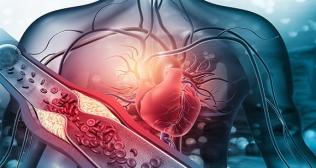
Coronary artery disease (CAD) develops when fatty deposits, known as plaque, accumulate inside the coronary arteries that supply blood to the heart. This buildup narrows the arteries and restricts blood flow, potentially causing chest pain (angina), shortness of breath, or a heart attack.
Common risk factors for coronary artery disease include:
- High blood pressure
- High cholesterol
- Diabetes
- Smoking
- Obesity
- Family history of heart disease
Because plaque buildup can progress gradually, some people may not recognise the severity of their condition until symptoms become noticeable. Regular cardiac screening is particularly important for individuals with existing risk factors.
Who Needs Coronary Bypass Surgery (CABG)?
Coronary artery bypass graft surgery is generally recommended for patients with significant coronary artery blockages that cannot be adequately managed through medication or less invasive procedures.
A cardiac surgeon may recommend CABG in the following situations:
Multiple Coronary Artery Blockages
Patients with significant blockages in multiple coronary arteries may benefit from bypass surgery. CABG creates alternative pathways for blood to reach the heart muscle, helping restore blood flow beyond the blocked areas.
Left Main Coronary Artery Disease
The left main coronary artery supplies blood to a large portion of the heart. Significant narrowing in this artery can increase the risk of serious cardiac complications and may require bypass surgery.
Coronary Artery Disease in Patients With Diabetes
Patients with diabetes and multi-vessel coronary artery disease may benefit from CABG because it can offer better long-term outcomes than certain alternative treatments in appropriately selected cases.
When Angioplasty Is Not Suitable
CABG may be recommended when angioplasty and stenting are not suitable, have not provided adequate relief, or are unlikely to achieve the desired long-term results.
The decision to undergo CABG is made by a cardiologist and cardiac surgeon after reviewing angiography findings, heart function, overall health, and other medical conditions. Age alone is rarely the deciding factor.
How to Prepare for Coronary Bypass Surgery
Preparing for coronary bypass surgery in Mumbai involves a comprehensive medical evaluation and a discussion with the cardiac surgery team.
Pre-Surgery Tests and Medical Evaluation
Patients may undergo several investigations to assess their heart function and overall health, including:
- Coronary angiography
- Blood tests
- Electrocardiogram (ECG)
- Echocardiogram
- Chest imaging, when required
These investigations help the surgical team determine the most appropriate treatment approach.
Medication and Lifestyle Preparation
Patients may be advised to stop smoking, improve blood sugar control, and adjust certain medications before surgery. Medication changes should always be made under medical supervision.
Preparing for Recovery at Home
Family members can play an important role in the recovery process. Arranging transportation, preparing a comfortable recovery space, and understanding wound care instructions can help patients transition home more smoothly.
What Happens During CABG Surgery?
During coronary artery bypass graft surgery, the cardiac surgeon uses a healthy blood vessel, often taken from the chest, leg, or arm, to create a new route for blood to flow around a blocked coronary artery.
The procedure is performed under general anaesthesia.
On-Pump CABG Surgery
In on-pump CABG, a heart-lung machine temporarily takes over the heart's pumping function and oxygenates the blood while the surgeon performs the bypass procedure.
Off-Pump CABG Surgery
In off-pump CABG, the surgeon performs the bypass procedure while the heart continues beating. Specialised equipment helps stabilise the area where the graft is placed.
The choice of technique depends on the patient's condition, the complexity of the blockages, and the surgeon's assessment.
How Long Does Bypass Surgery Take?
CABG surgery typically takes around three to six hours, depending on the number of grafts required and the complexity of the procedure.
The surgical team monitors the patient's condition throughout the operation and provides immediate post-operative care.
Immediate Recovery After Coronary Bypass Surgery
Recovery begins in the cardiac intensive care unit (ICU), where patients receive close monitoring following surgery.
Recovery in the Cardiac ICU
Patients typically spend one to two days in the cardiac ICU, although the duration may vary depending on their condition and recovery progress.
The medical team monitors heart function, breathing, blood pressure, and other vital parameters.
Early Movement and Hospital Recovery
Once the patient is stable, supervised movement and short walks may begin within a few days. Early mobilisation helps improve circulation and reduce the risk of certain complications.
Pain management, breathing exercises, and gradual activity increases are important parts of the recovery process.
When Can Patients Go Home After CABG?
Many patients are discharged within seven to ten days after surgery, depending on their recovery progress and the absence of complications.
Before discharge, patients and family members receive instructions about wound care, medication, activity restrictions, and warning signs that require medical attention.
Life After CABG: Recovery and Cardiac Rehabilitation
Full recovery after coronary bypass surgery generally takes six to twelve weeks. However, recovery timelines vary depending on the patient's age, overall health, surgical technique, and medical history.
How Long Does It Take to Recover From Bypass Surgery?
Many patients gradually resume light daily activities and may return to work within four to six weeks, depending on the nature of their work and recovery progress.
Driving, lifting heavy objects, and strenuous physical activities should be resumed only after clearance from the cardiac surgeon.
Benefits of Cardiac Rehabilitation After CABG
Cardiac rehabilitation is an important part of recovery after bypass surgery. It typically includes:
- Supervised physical activity
- Nutritional counselling
- Education about heart health
- Risk factor management
- Guidance on gradually increasing activity levels
A structured rehabilitation programme can help patients regain strength, improve cardiovascular fitness, and build confidence during recovery.
Lifestyle Changes for Long-Term Heart Health
Long-term outcomes after CABG also depend on managing the underlying causes of coronary artery disease.
Patients are generally advised to:
- Follow a heart-healthy diet
- Exercise regularly as recommended by their doctor
- Maintain healthy blood pressure and cholesterol levels
- Manage diabetes effectively
- Avoid smoking
- Take prescribed medications consistently
These measures help support long-term heart health and reduce the risk of further cardiovascular complications.
Choosing a Hospital for Coronary Bypass Surgery in Mumbai
Mumbai has several cardiac care centres offering coronary artery bypass graft surgery and post-operative rehabilitation.
When choosing a hospital for coronary bypass surgery in Mumbai, patients should consider the following factors:
Experience of the Cardiac Surgery Team
Look for a qualified cardiac surgeon and a multidisciplinary team experienced in treating coronary artery disease and performing CABG procedures.
Cardiac ICU and Surgical Facilities
A well-equipped cardiac ICU and access to advanced diagnostic and surgical facilities are important considerations when evaluating a cardiac care centre.
Comprehensive Post-Surgery Rehabilitation
Rehabilitation and follow-up care are essential parts of the recovery journey. Patients should understand what support is available after hospital discharge.
Discussing the treatment plan, surgical approach, potential risks, and expected recovery timeline with the cardiac surgery team can help patients make informed decisions.
Conclusion
Coronary artery bypass graft surgery can help restore blood flow to the heart and improve outcomes for patients with significant coronary artery disease. Understanding the indications for CABG, preparing for surgery, and following a structured recovery plan can help patients navigate the treatment journey with greater confidence.
For patients considering coronary bypass surgery in Mumbai, discussing the available treatment options, surgical approach, and rehabilitation plan with a qualified cardiac surgeon is an important step towards informed cardiac care.
Medical Disclaimer: This article is for informational purposes only and is not a substitute for professional medical advice, diagnosis, or treatment. Always consult a qualified doctor for guidance regarding your medical condition and treatment options.
Categories
Clear allMeet the doctor

- Cardiac Sciences | Adult CTVS (Cardiothoracic and Vascular Surgery) | Heart & Lung Transplant
-
 15 Years
-
 1500
Related Blogs
View all






FAQs
How Do I Know If I Need Bypass Surgery?
Your cardiologist may recommend CABG based on angiography results showing significant coronary artery blockages, particularly in multiple arteries or the left main coronary artery. The decision also depends on your symptoms, heart function, and overall health.
What Is the Success Rate of CABG Surgery?
CABG has well-established long-term benefits for appropriately selected patients. However, individual outcomes depend on factors such as the severity of coronary artery disease, heart function, diabetes, and other medical conditions.
Can I Return to Normal Life After CABG?
Most patients gradually return to their normal daily activities within six to twelve weeks. Cardiac rehabilitation, medication adherence, and lifestyle changes play an important role in recovery.
Is CABG Better Than Angioplasty?
Neither procedure is universally better. The choice depends on the number and location of blockages, the patient's medical condition, and other clinical factors. CABG may offer better long-term outcomes for certain patients with multi-vessel coronary artery disease.

Keep track of your appointments, get updates & more!

