


Cost And Availability Of Proton Therapy In India What Patients Should Know
When people hear the word radiation therapy, they often picture a treatment that is effective but harsh. For many years, that perception shaped how patients approached cancer care, especially when long term side effects were a concern. As treatment options have evolved, so has the conversation around precision and safety.
Proton therapy has entered this space as a more targeted form of radiation. In India, interest has grown steadily, driven by both clinical need and increasing availability. Patients and families, however, are often left with practical questions about cost, access, and whether this treatment is truly suitable for their condition.
What Proton Therapy Is And How It Works
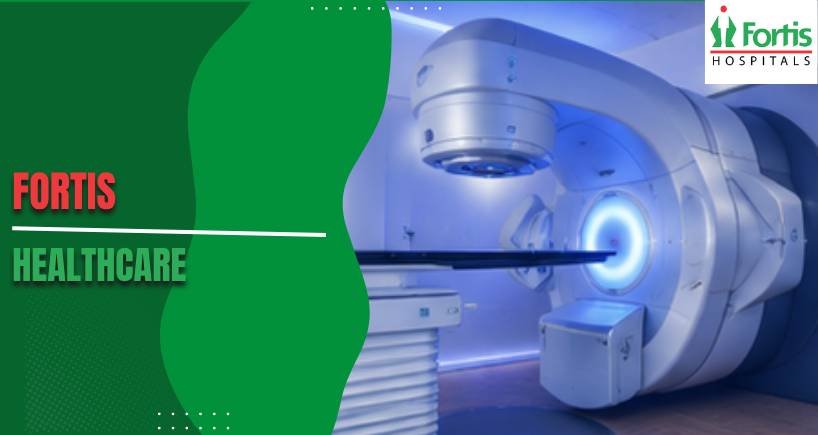
Proton therapy is a form of external beam radiation that uses protons instead of X rays. The key difference lies in how protons release their energy. Unlike conventional radiation, which passes through the body, protons deposit most of their energy at a specific depth and then stop.
This property allows doctors to concentrate radiation on the tumor while limiting exposure to surrounding healthy tissue. In simple terms, treatment becomes more precise. For cancers located near critical organs, this precision can matter a great deal.
From a patient perspective, the experience of proton therapy feels similar to other radiation treatments. Sessions are painless, non-invasive, and delivered over multiple visits.
Why Proton Therapy Is Considered Different
The main advantage of proton therapy is dose control. By reducing radiation spill beyond the tumor, it lowers the risk of damage to nearby organs. This is especially relevant for children, whose developing tissues are more sensitive, and for tumors located close to the brain, spinal cord, or vital structures.
That said, proton therapy is not automatically better for every cancer. Its benefits depend on tumor type, location, and overall treatment goals. In many cases, conventional radiation remains effective and appropriate.
Understanding this distinction helps patients approach proton therapy as an option rather than a default choice.
Availability Of Proton Therapy In India
For a long time, proton therapy was available only in a few countries due to its cost and technical complexity. India entered this space more recently, but availability has expanded.
Currently, proton therapy centers are limited to select cities. These facilities require large infrastructure, specialized equipment, and highly trained teams. As a result, access remains concentrated rather than widespread.
Patients from across the country often travel to these centers, sometimes staying for several weeks during treatment. While this adds logistical challenges, it has also made advanced care accessible without international travel.
Understanding Proton Therapy Costs In India
Cost is one of the most common concerns. Proton therapy is more expensive than conventional radiation because of the technology involved. The equipment itself is costly, and operational expenses are higher.
In India, the cost of proton therapy varies based on cancer type, number of sessions, and complexity of planning. On average, treatment can range from several lakhs to over twenty lakhs of rupees.
Factors influencing cost include:
- Tumor location and treatment duration
- Imaging and planning requirements
- Need for combined therapies
While these figures can seem daunting, they are still lower than costs in many Western countries, which is why India has become a destination for some international patients.
Proton Therapy And Insurance Coverage
Insurance coverage for proton therapy in India remains variable. Some policies recognize it as an advanced radiation modality and offer partial or full coverage when medically justified. Others may classify it as experimental for certain indications.
Approval often depends on documented need, such as tumors near sensitive organs or cases where conventional radiation poses higher risk. Pre authorization is usually required, and patients should expect detailed documentation requests.
Discussing insurance early helps avoid delays. Many treatment centers assist patients with this process, which can ease administrative burden during an already stressful time.
Proton Therapy For Prostate Cancer
Prostate cancer is one area where proton therapy has received significant attention. The prostate sits close to the bladder and rectum, making precision important to reduce urinary and bowel side effects.
Proton therapy for prostate cancer aims to deliver effective tumor control while minimizing radiation exposure to surrounding tissues. Some patients experience fewer long term side effects compared to traditional radiation, though results can vary.
It is important to note that prostate cancer often has multiple effective treatment options. Surgery, conventional radiation, and active surveillance may all be appropriate depending on disease stage and patient factors. Proton treatment for prostate cancer is one option among many, not a universal recommendation.
Who Is Most Likely To Benefit
Proton therapy tends to offer the most benefit when tumors are located near critical structures or when patients are particularly sensitive to radiation effects. Pediatric cancers, skull base tumors, and certain spinal tumors often fall into this category.
For adults, benefit depends on individual anatomy and treatment goals. In practice, multidisciplinary evaluation helps determine suitability. Radiation oncologists, surgeons, and medical oncologists work together to assess whether proton therapy adds meaningful value.
Patients are sometimes surprised to learn that proton therapy is not always advised, even when available. This reflects thoughtful care rather than limitation.
Treatment Process And Duration
The process begins with detailed imaging, usually including CT and sometimes MRI. This allows precise mapping of the tumor and surrounding anatomy. Treatment planning can take several days.
Actual proton therapy sessions are similar in length to conventional radiation, often lasting fifteen to thirty minutes. The number of sessions varies, typically spanning several weeks.
During treatment, patients are monitored closely. Side effects tend to be localized and depend on the area treated. Fatigue is common, though often milder compared to other radiation techniques.
Comparing Proton Therapy With Conventional Radiation
Conventional radiation has improved significantly over the years. Techniques like IMRT and IGRT already offer high precision. Proton therapy builds on this progress by further reducing exit dose.
However, the clinical advantage is not always dramatic. In some cancers, outcomes are similar between proton and advanced photon therapies. The difference lies more in side effect profiles than survival. This nuance is important. Proton therapy should be chosen for its specific advantages rather than assumed superiority.
Travel And Practical Considerations
Because proton therapy centers are limited, travel is often necessary. Patients may need accommodation near the center for the duration of treatment.
Some hospitals provide support services or partner lodging options. Planning ahead helps reduce stress. For patients with family responsibilities or work commitments, this logistical aspect deserves careful thought. Balancing treatment benefits against disruption to daily life is a personal decision and varies widely.
Long Term Outcomes And Follow Up
Long term data on proton therapy continue to grow. For many indications, tumor control rates are comparable to conventional radiation, with potential reductions in late side effects.
Follow up care remains essential. Patients undergo regular imaging and clinical assessments regardless of radiation type. Proton therapy does not eliminate the need for monitoring.
In practice, patients value not just survival outcomes but quality of life after treatment. This is where proton therapy may offer meaningful benefits for selected individuals.
Making An Informed Decision
Choosing proton therapy involves weighing medical benefit, cost, availability, and personal circumstances. It is not a decision made in isolation or haste.
Consulting with a radiation oncologist experienced in both proton and conventional techniques helps ensure balanced guidance. Asking why a treatment is recommended or not recommended is appropriate and encouraged.
Clear information empowers patients to participate actively in their care.
A Balanced View Of Proton Therapy In India
Proton therapy represents a significant advance in radiation oncology, and its presence in India reflects growing capacity for complex cancer care. For the right patient, it can reduce treatment related side effects and support better long term comfort.
At the same time, it is not a universal solution. Understanding its cost, availability, and appropriate use allows patients to approach it realistically rather than emotionally.
In the end, the value of proton therapy lies in thoughtful application. When used where it truly helps, it becomes a meaningful part of modern cancer treatment in India.
Categories
Clear allRelated Blogs
View all









FAQs

Keep track of your appointments, get updates & more!

