
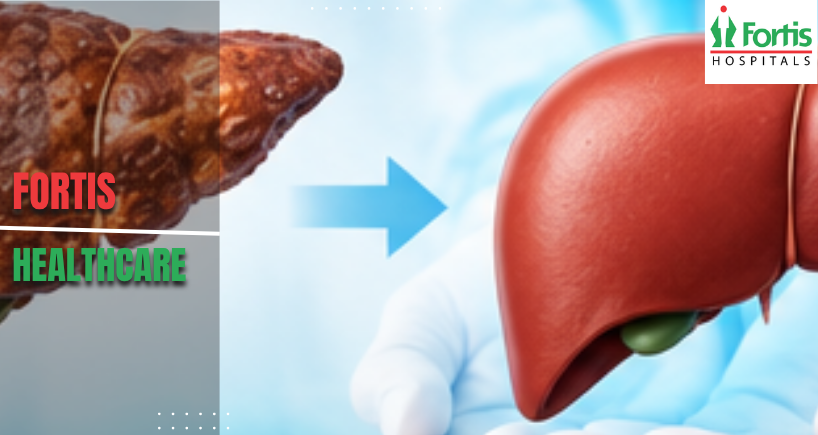


From Damaged to Healthy The Surgical Journey of a Liver Transplant
When advanced liver disease reaches a stage where the liver can no longer perform its essential functions, everyday activities can become increasingly difficult. Persistent fatigue, weakness, fluid accumulation, jaundice and other complications may significantly affect a person's quality of life.
For some patients with end-stage liver disease, liver transplantation may offer a treatment option when other approaches are no longer sufficient. The procedure replaces the diseased liver with a healthy donor liver or, in selected cases, a portion of a healthy donor's liver.
A liver transplant is a major surgical procedure, but the journey involves much more than the operation itself. Careful evaluation, donor selection, surgery, intensive monitoring, medication management and lifelong follow-up all form part of the process.
Understanding these stages can help patients and their families prepare for what lies ahead.
The Critical Evaluation Phase
The transplant journey begins with an extensive medical assessment. The purpose is to determine whether transplantation is appropriate and whether the patient is medically fit enough to undergo the procedure.
The evaluation may include:
- Detailed blood and urine tests
- Liver and kidney function tests
- Blood-group testing and other compatibility assessments
- Heart and lung evaluations
- Ultrasound, CT or MRI scans
- Assessment of the underlying liver disease
- Screening for infections and other medical conditions
- Nutritional assessment
- Psychological and social evaluation
Cardiac and respiratory assessments are particularly important because major surgery places considerable stress on the body.
The transplant team also evaluates whether the patient has an appropriate support system for recovery. Family members or caregivers may need to assist with medication schedules, appointments, transportation and daily activities during the early stages of recovery.
For patients researching the best liver hospital in India, the availability of a multidisciplinary transplant team is an important factor to consider. Transplant care typically involves hepatologists, transplant surgeons, anaesthesiologists, intensivists, nurses, pharmacists, dietitians and other specialists.
Joining the Liver Transplant Waiting List
If a patient is approved for transplantation using a deceased donor organ, they may be placed on the relevant transplant waiting list or registry.
The process for allocating deceased donor organs varies by country and transplant system. In India, allocation is coordinated through authorised transplant networks, with factors such as medical urgency, blood-group compatibility, waiting time and other established criteria considered.
This means that simply being "sickest" does not automatically guarantee that a patient will receive the next available liver. The allocation process is based on defined medical and logistical considerations.
Waiting for a suitable organ can be emotionally challenging. Patients may need regular medical monitoring while they wait, as their condition can change during this period.
Living-Donor Liver Transplantation
In selected cases, a living donor may donate a portion of their liver.
The liver has a remarkable regenerative capacity. After a portion is removed, both the donor's remaining liver and the recipient's transplanted portion can increase in volume over time. However, regeneration varies between individuals and does not mean that the liver simply returns to its original state within a fixed number of months.
Living donation requires a separate, detailed evaluation to protect the health and safety of the donor as well as the recipient.
The Day of the Transplant Operation
When a suitable donor liver becomes available, the recipient undergoes final medical checks before surgery. These assessments help confirm that the transplant should proceed safely.
The patient is then taken to the operating room and given general anaesthesia. The transplant team prepares for a complex procedure that can take several hours.
Family members may experience considerable anxiety during this period, particularly because the exact duration of surgery and recovery can vary depending on the patient's condition and the complexity of the transplant.
How Liver Transplant Surgery Is Performed
During a liver transplant, the surgeon makes an incision in the upper abdomen to access the diseased liver.
The damaged liver is carefully separated from the surrounding structures. This can be particularly challenging in patients with advanced liver disease because cirrhosis and previous abdominal procedures may cause scarring and changes in normal anatomy.
The surgeon then removes the diseased liver while carefully controlling blood vessels and other important structures.
The donor liver is placed in the recipient's abdomen, generally in the same anatomical region where the original liver was located. It is not normally placed in the pelvic cavity.
The surgical team connects the donor liver's major blood vessels to the recipient's blood circulation. The bile duct is also connected so that bile produced by the new liver can drain into the digestive system.
Once blood flow is restored, the transplant team carefully assesses the new liver and monitors its initial function.
Care in the Intensive Care Unit
After surgery, the patient is usually transferred to a specialised intensive care or transplant unit for close observation.
During the initial period, medical teams continuously monitor:
- Blood pressure and heart rate
- Oxygen levels and breathing
- Liver function
- Kidney function
- Blood clotting
- Fluid balance
- Signs of bleeding or infection
- Early signs of graft dysfunction or rejection
Some patients require temporary mechanical ventilation after surgery, while others may be able to breathe independently soon after the procedure. The length of intensive care depends on the patient's condition and how well the new liver is functioning.
Pain and discomfort around the surgical incision are expected during recovery. Doctors use appropriate pain-management strategies while also monitoring for potential complications.
Understanding Rejection After Liver Transplantation
One of the major concerns after transplantation is organ rejection.
The immune system can recognise the transplanted liver as foreign and may mount an immune response against it. To reduce this risk, transplant recipients are prescribed immunosuppressive medicines.
These medicines must be taken exactly as prescribed. However, treatment is carefully balanced because excessive immunosuppression can increase the risk of infections and other complications.
Patients should never change or stop their transplant medicines without speaking with their transplant team.
Regular blood tests help doctors monitor liver function and medication levels and identify potential problems early.
The Road to Recovery
Recovery after liver transplantation varies from person to person. Some patients may be discharged within a few weeks, while others require a longer hospital stay because of complications or other health conditions.
Once home, patients are usually given detailed instructions about wound care, medicines, diet, activity and follow-up appointments.
Gentle movement and walking are generally encouraged as recovery progresses because physical activity can help rebuild strength and reduce complications associated with prolonged inactivity. However, strenuous exercise and heavy lifting should be avoided until the surgical team confirms that they are safe.
Patients should also watch for symptoms such as fever, worsening abdominal pain, jaundice, unusual bleeding, breathing difficulty or significant changes in their overall condition and report them promptly.
Lifelong Follow-Up After a Liver Transplant
A successful liver transplant marks the beginning of a new phase of medical care rather than the end of treatment.
Patients generally require long-term follow-up to monitor:
- Liver function
- Kidney function
- Immunosuppressive medication levels
- Blood pressure
- Blood sugar and cholesterol
- Infection risk
- Medication side effects
- Nutritional health
- Signs of rejection or other transplant complications
The transplant team may gradually adjust immunosuppressive medicines depending on the patient's response and overall health.
Lifestyle changes can also support long-term wellbeing. A balanced diet, regular physical activity once medically appropriate, good food hygiene, avoidance of tobacco and adherence to prescribed treatment are all important.
Choosing the Right Transplant Centre
Liver transplantation is a highly specialised procedure, so choosing an experienced transplant centre is an important decision.
Patients may consider factors such as:
- Experience in liver transplantation
- Availability of transplant surgeons and hepatologists
- Intensive care facilities
- Diagnostic and laboratory services
- Emergency support
- Living-donor transplant expertise, where applicable
- Infection-control protocols
- Long-term transplant follow-up
Patients looking for a Best Hospital in Mumbai or another major city should compare the transplant programme, specialist expertise and comprehensive support services rather than relying on hospital reputation alone.
A New Chapter After Liver Transplantation
A liver transplant can provide an important treatment option for carefully selected patients with advanced liver disease. However, recovery is a gradual process that requires patience, medical supervision and commitment to long-term care.
The operation itself is only one part of the transplant journey. Careful evaluation before surgery, precise surgical techniques, close monitoring after transplantation and lifelong follow-up all contribute to the patient's overall outcome.
For patients and families facing advanced liver disease, understanding each stage can make an unfamiliar and challenging process easier to navigate. With appropriate specialist care and continued medical follow-up, many transplant recipients can gradually return to meaningful daily activities and build a new routine around their health.
Categories
Clear allRelated Blogs
View all
Types of liver transplantation by Dr. Kishore GSB

Autoimmune Hepatitis a non-infectious condition: Know its Symptoms, Causes and Treatment

Hepatitis C: Symptoms, Transmission And Treatment Options

हेल्दी’ पैकेज्ड फूड में छिपा सोडियम बम: सेहत पर असर और बचाव के स्मार्ट टिप्स

Why Many Patients with Liver Cancer Are Told They Are Inoperable? And Why That Is Not Alwa...

Why Are Some Liver Cancer Patients Told They Are Inoperable?

Where to Go After an Inoperable Diagnosis? Choosing the Right Liver Cancer Specialist or C...


FAQs

Keep track of your appointments, get updates & more!

