


Dandruff Causes Is It Dry Scalp or Something More Serious
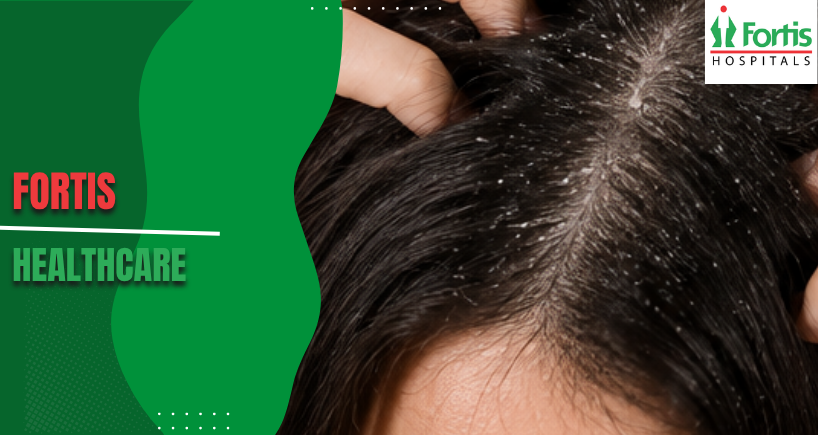
Most people who reach for an anti-dandruff shampoo are treating a yeast they have never heard of. Dandruff — the flaking, itching, and scaling of the scalp that affects an estimated 50% of the global population at some point in their lives — is primarily caused not by dryness, but by an overgrowth of a naturally occurring scalp yeast called Malassezia. Understanding this changes what treatment to choose, why some shampoos work and others don't, and — importantly — when a flaky scalp is something other than ordinary dandruff.
Dandruff sits on a clinical spectrum. At one end is simple pityriasis capitis — mild, easily managed dandruff. In the middle is seborrhoeic dermatitis of the scalp — a more inflammatory, persistent condition involving redness and scaling that can extend beyond the scalp to the eyebrows, nasolabial folds, and chest. At the other end are conditions that look like dandruff but are distinctly different: scalp psoriasis, tinea capitis (scalp ringworm), and contact dermatitis. Treatment for each is different, and misidentification can lead to months of ineffective self-treatment.
⚡ Quick Takeaways
Dandruff is primarily caused by Malassezia — a yeast that naturally lives on the scalp and triggers an inflammatory response in susceptible individuals, causing shedding of scalp skin cells.
Dry scalp produces fine, dry flakes without significant oiliness; dandruff (seborrhoeic dermatitis) typically produces oily, yellowish flakes on an oily scalp.
Anti-dandruff shampoos work by suppressing Malassezia — they must be used correctly (left on for 3–5 minutes) and consistently to be effective.
Persistent or severe scalp scaling, redness extending beyond the scalp hairline, or scaling unresponsive to OTC antifungal shampoo after 4–6 weeks should be evaluated by a Fortis dermatologist.
Scalp psoriasis and tinea capitis (fungal scalp infection) both mimic dandruff and require specific, different treatments — a dermatologist can distinguish these with examination and a scalp scraping.
The Biology of Dandruff: What Is Actually Happening
Malassezia globosa and Malassezia restricta are lipophilic yeasts (they require fat to grow) that naturally colonise the human scalp, feeding on the sebum produced by scalp sebaceous glands. In approximately half the population, this colonisation triggers an inflammatory response that accelerates the turnover of scalp skin cells — the normal 28-day cell cycle shortens to approximately 7 days. The result is an accumulation of immature, partially shed skin cells on the scalp surface — which we see as flakes.
Why does this yeast cause a problem in some people but not others? The answer lies in individual immune response differences, sebum composition, scalp pH, and genetic predisposition. Malassezia produces oleic acid when metabolising scalp fat — oleic acid disrupts the scalp skin barrier and triggers the inflammatory cascade that causes itching and accelerated cell turnover in susceptible individuals.
Dry Scalp vs Dandruff: Telling Them Apart
The most common misunderstanding about dandruff is confusing it with dry scalp. They produce superficially similar symptoms but have different causes, different flake characteristics, and different treatments. Using a moisturising shampoo for Malassezia-driven dandruff is ineffective; using an antifungal shampoo for dry scalp is unnecessary.
Common Causes and Triggers of Dandruff
Malassezia Overgrowth — The Primary Driver
As described above, Malassezia yeast colonisation is the foundation of most dandruff. The degree to which it causes visible symptoms depends on the individual's immune response, sebum production, and scalp environment. Malassezia thrives in warm, humid, sebum-rich conditions — which partly explains why dandruff is frequently worse in humid Indian climates and during periods of hormonal change that increase sebum production.
Seborrhoeic Dermatitis — The Inflammatory Extension
Seborrhoeic dermatitis (SD) is the clinical diagnosis for dandruff when it is associated with significant inflammation. It is not just a scalp condition — SD can affect the eyebrows, glabella (between the brows), nasolabial folds, external ear canals, central chest (in men), and groin folds. In India, seborrhoeic dermatitis is one of the most common dermatological presentations in outpatient clinics. It is a chronic, relapsing condition — it can be controlled well with treatment but typically recurs when treatment is stopped.
Hormonal Changes
Androgens (male sex hormones, present in both men and women) stimulate sebaceous gland activity, increasing sebum production and creating a more favourable environment for Malassezia. This explains why dandruff typically appears or worsens during puberty, can worsen during pregnancy, and is generally more prevalent and severe in men than women. Polycystic ovary syndrome (PCOS), which is associated with elevated androgens in women, is a recognised risk factor for seborrhoeic dermatitis.
Stress
Psychological stress is a well-documented trigger for seborrhoeic dermatitis flares. The mechanism involves stress-driven changes in immune regulation and skin barrier function, as well as stress-related increases in sebum production mediated through neuropeptide signalling. The association is clinically consistent — many patients report that their dandruff flares during periods of high work pressure, examination stress, or emotional difficulty.
Irregular or Excessive Washing
Both extremes of washing frequency can worsen dandruff. Washing too infrequently allows sebum and Malassezia to accumulate. Washing too frequently — particularly with harsh, stripping shampoos — can disrupt the scalp's skin barrier and pH, creating a pro-inflammatory environment. For most dandruff patients, washing 2–4 times per week with the appropriate antifungal shampoo, correctly applied, is optimal.
When It's Not Just Dandruff: Conditions That Mimic It
Scalp Psoriasis — The Most Commonly Confused Condition
Scalp psoriasis is an autoimmune condition that causes thick, silvery-white plaques on the scalp, often with a distinct boundary at the scalp hairline. The scale is typically thicker and more adherent than dandruff flakes — it forms large plaques rather than scattered flakes — and the underlying skin is red and inflamed. Scalp psoriasis frequently extends beyond the hairline onto the forehead, behind the ears, and onto the nape of the neck.
Treatment for scalp psoriasis is completely different from dandruff treatment: it involves topical corticosteroid scalp preparations, vitamin D analogues (calcipotriol), coal tar preparations, salicylic acid (to lift scale before other treatments), and in moderate-to-severe cases, systemic therapy or biologics. Treating scalp psoriasis with antifungal shampoo alone is ineffective. A Fortis dermatologist can distinguish scalp psoriasis from seborrhoeic dermatitis by examination — dermatoscopy and, where needed, a scalp biopsy confirm the diagnosis.
Tinea Capitis — Scalp Ringworm
Tinea capitis is a fungal infection of the scalp caused by dermatophytes (Trichophyton and Microsporum species), most common in children but seen in adults as well. It presents with patchy scalp scaling and hair loss, often with broken hairs and sometimes with an inflammatory mass (kerion). It can closely mimic dandruff in mild cases. Unlike dandruff, tinea capitis requires systemic oral antifungal treatment (griseofulvin or terbinafine) and must be diagnosed by a dermatologist — topical antifungal shampoos alone are not effective for tinea capitis because the dermatophyte infects the hair shaft.
Contact Dermatitis of the Scalp
Allergic or irritant contact dermatitis from hair dyes (particularly para-phenylenediamine — PPD — in permanent hair dyes), shampoos, conditioners, or hair oils can cause scalp scaling, redness, and itching that mimics dandruff. A clue is the pattern: contact dermatitis typically affects the margins of the scalp, neck, ears, and forehead in addition to the scalp, and frequently has a temporal relationship with application of a new product. A Fortis dermatologist can confirm contact allergy with patch testing.
Treating Dandruff Correctly
Antifungal Shampoos — The Evidence-Based First Line
The following active ingredients have proven antifungal efficacy against Malassezia and are the first-line treatment for dandruff and seborrhoeic dermatitis:
- Ketoconazole 2% shampoo (available prescription and OTC) — highly effective; use twice weekly for 4 weeks, then weekly for maintenance.
- Zinc pyrithione — the active ingredient in most OTC anti-dandruff shampoos. Effective for mild-to-moderate dandruff; can be used 3–4 times weekly.
- Selenium sulphide 1–2.5% — effective for moderate-to-severe dandruff; the 2.5% formulation requires prescription in India.
- Ciclopirox olamine shampoo — an antifungal with broader spectrum activity; useful for treatment-resistant dandruff.
A critical application point: antifungal shampoos must be left on the scalp for 3–5 minutes before rinsing to allow adequate contact time with the scalp skin. Simply applying and immediately rinsing — as most people do with regular shampoo — substantially reduces efficacy.
When to See a Fortis Dermatologist
- Dandruff that does not respond to 4–6 weeks of correctly used OTC antifungal shampoo.
- Scalp scaling with visible redness, crusting, or bleeding.
- Thick, adherent plaques (distinguishing psoriasis from dandruff).
- Scaling associated with hair loss.
- Scaling in a child — tinea capitis must be excluded.
- Scaling that extends to the face, ears, or chest.
- Recent onset after use of a new hair product — possible contact dermatitis requiring patch testing.
Categories
Clear allMeet the doctor

- Dermatology | Dermatology
-
 37 Years
-
 800
800
Related Blogs
View all
Viral Ear Infection : Causes, Symptoms and Treatment Option


Hyperhidrosis: Types, Symptoms, Causes, and Treatment | Fortis Healthcare

COVID-19 related hair loss and hearing problems: How to deal with the after effects of cor...


FAQs

Keep track of your appointments, get updates & more!

