
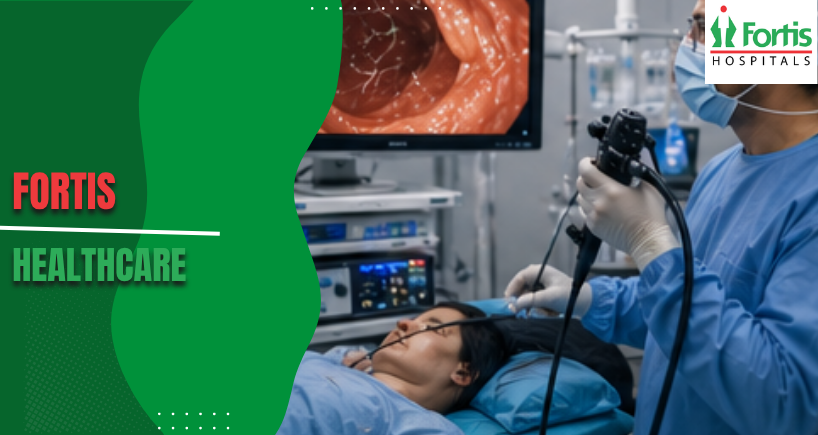


Delhi NCR Hospitals Leading in Bariatric Endoscopy A New Solution for Obesity-Driven GI Diseases
Surgery for weight loss carries risks that make many patients hesitate despite obesity threatening their health. Bariatric endoscopy offers middle ground between lifestyle modification alone and invasive operations requiring general anaesthesia. The best gastro hospital in India now provides endoscopic procedures that reduce stomach capacity or alter gut hormone signalling without permanent anatomical changes.
These techniques particularly benefit individuals whose obesity worsens gastroesophageal reflux, fatty liver disease, or metabolic dysfunction but who cannot tolerate traditional bariatric surgery. Understanding available options helps patients explore alternatives when previous weight loss attempts failed whilst surgical risks seem unacceptable.
Intragastric Balloon Technology
Fluid-filled balloons placed endoscopically occupy stomach space, creating earlier satiety with smaller meal portions. The procedure takes 20 minutes under light sedation with same-day discharge. Balloons remain in place for six months whilst patients work with dietitians establishing sustainable eating patterns.
Weight loss typically ranges from 10 to 15 percent of total body weight during balloon placement. Success requires commitment to dietary changes because removing balloons without behaviour modification results in weight regain. The best gastro hospital in India provides comprehensive support programmes maximising long-term outcomes beyond simple device insertion.
Endoscopic Sleeve Gastroplasty
This technique uses suturing devices passed through endoscopes to fold stomach walls, reducing capacity by approximately 70 percent. The procedure mimics surgical sleeve gastrectomy effects without cutting or removing tissue. Recovery requires only one to two days compared to weeks for traditional surgery.
Weight loss averages 15 to 20 percent of body weight over 12 to 18 months following the procedure. Complications occur rarely but include bleeding, perforation, or suture line dehiscence. The best gastro surgeon in India determines candidacy through comprehensive evaluation balancing potential benefits against individual risk factors.
Managing Obesity-Related Reflux Disease
Excess weight worsens gastroesophageal reflux through increased abdominal pressure and hiatal hernia development. Medications control symptoms temporarily but fail to address underlying mechanical problems. Weight reduction through bariatric endoscopy reduces reflux episodes whilst allowing medication reduction or elimination.
Some patients require combining endoscopic weight loss procedures with anti-reflux interventions. Transoral incisionless fundoplication tightens the lower oesophageal sphincter endoscopically. The best gastroenterologist in India coordinates multimodal approaches addressing both obesity and reflux comprehensively.
Impact on Fatty Liver Disease
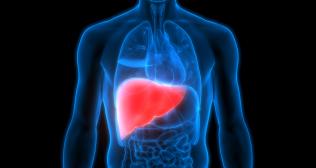
Non-alcoholic fatty liver disease affects approximately 70 percent of obese individuals and progresses to cirrhosis in susceptible patients. Weight loss represents the only proven treatment reversing liver damage before scarring becomes irreversible. Bariatric endoscopy achieves clinically meaningful weight reductions that improve liver inflammation and fat accumulation.
Studies show liver enzyme normalisation and histological improvement on biopsy specimens following endoscopic weight loss interventions. These benefits occur even when weight loss remains modest compared to surgical outcomes. The Best Hospital in India maintains advanced hepatology services monitoring liver changes throughout weight loss journeys.
Patient Selection Criteria
Body mass index between 30 and 40 typically qualifies individuals for endoscopic interventions. Higher BMI patients often require surgical approaches for adequate weight loss. Previous failed dietary attempts and obesity-related health complications strengthen candidacy.
Psychological evaluation ensures patients possess realistic expectations and commitment to lifestyle changes. Active substance abuse or untreated psychiatric conditions require stabilisation before proceeding. The best gastroenterology hospital in Delhi NCR provides multidisciplinary assessment determining optimal timing and intervention type for individual circumstances.
Cost Considerations and Accessibility
Endoscopic procedures typically cost less than half of surgical bariatric operations whilst avoiding lengthy hospitalisations. Insurance coverage varies because some plans consider these interventions experimental despite growing evidence supporting effectiveness. Out-of-pocket expenses range from two to four lakhs depending on technique and facility.
Some programmes offer financing options making procedures accessible to more patients. Government insurance schemes occasionally cover endoscopic interventions for severe obesity with documented complications. The best gastrologist doctor in India helps navigate coverage options whilst providing transparent cost estimates before proceeding.
Long-Term Maintenance Strategies
Weight regain after balloon removal or sleeve gastroplasty represents the primary long-term challenge. Ongoing dietitian support and behavioural counselling improve sustained weight loss beyond device removal. Some patients benefit from repeat procedures if significant regain occurs.
Regular endoscopic surveillance monitors for complications whilst reinforcing dietary adherence. Exercise programmes and support groups provide accountability throughout maintenance phases. Success requires viewing endoscopic procedures as tools facilitating lifestyle changes rather than standalone solutions providing permanent weight control without ongoing effort and commitment.
Categories
Clear allRelated Blogs
View all
When Is A Liver Transplant Recommended?
Alcoholic Liver Disease - Why Worry?

Binge Drinking Trend Is The New Silent Killer

Irritable Bowel Syndrome

Digestive Disorders And Prevention

FAQs

Keep track of your appointments, get updates & more!

