
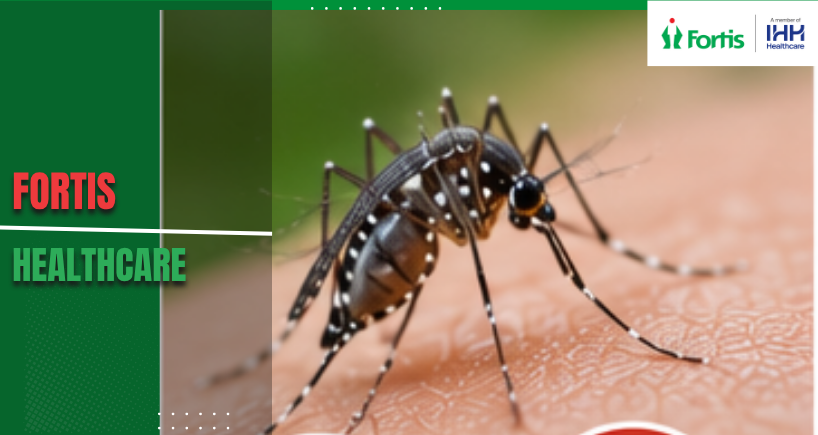


Is dengue now a year-round disease in India? What doctors say
Dengue is no longer confined to the classic July–November monsoon window; cases increasingly appear before and after it.
National surveillance recorded thousands of dengue cases in the first months of 2026, pointing to unusually early transmission.
Warming temperatures, erratic rain and year-round urban water storage let the Aedes mosquito breed for more of the year — and dengue is now reaching cooler hill regions.
The practical takeaway: treat mosquito prevention as a year-round habit, not just a monsoon one, and don't dismiss an off-season fever.
For years, dengue in India had a familiar rhythm: worry about it once the monsoon and waterlogging arrived, and relax once winter set in. That rhythm is breaking down. Doctors in several cities are now seeing dengue well outside the traditional season — and the data is starting to agree with them.
So is dengue becoming a year-round disease in India? The honest answer is nuanced, but the direction is clear enough to change how families should think about prevention.
What 'year-round dengue' actually means
Historically, dengue transmission in India peaked in the monsoon and immediate post-monsoon months, roughly July to November. What's changing is that meaningful numbers of cases are now showing up before and after that window, rather than the disease going quiet off-season.
The scale of the early-season shift caught attention in 2026. According to the National Center for Vector Borne Diseases Control (NCVBDC), India recorded several thousand dengue cases in just the first two months of the year — a level of early transmission that, in some past years, took until well into spring to reach. Case numbers still fluctuate sharply from year to year, but the off-season floor appears to be rising.
| Then | Now | What's driving it |
|---|---|---|
| Cases mainly July–November | Cases before and after the monsoon too | Erratic rain and heat extend mosquito breeding |
| Concentrated in plains and big cities | Spreading to cooler hill regions | Rising temperatures make new areas suitable |
| A 'monsoon disease' | A near year-round risk in many areas | Urban water storage and construction sites |
Why is this happening? What doctors and researchers point to
The Aedes aegypti mosquito that spreads dengue breeds in small pockets of clean, stagnant water — coolers, pots, tanks, discarded tyres and construction sites. Its breeding speeds up in warmth, so a short spell of rain followed by heat can trigger a breeding cycle even outside the monsoon.
Public-health researchers, including analysts at the Observer Research Foundation, have warned that relying only on seasonal control measures will no longer be enough as dengue expands into areas that once saw little transmission. A 2026 modelling study published in PLOS Neglected Tropical Diseases projected the virus pushing into colder, high-altitude Himalayan regions that historically rarely encountered it.
Layered together — a warming climate, erratic rainfall, rapid urbanisation and year-round water storage — these factors give the mosquito more time and more places to breed. That is the mechanism behind a longer, wider dengue season.
Does 'year-round' mean everyone is at higher risk all the time?
Not exactly. Transmission still tends to peak after the monsoon, and dengue numbers swing a lot between years — partly because immunity built up in a big outbreak year can lower cases the next, and because different dengue serotypes circulate at different times.
The practical shift is this: off-season dengue is no longer rare enough to ignore. A fever in April or December that would once have been dismissed as 'not the season' now deserves the same consideration as a monsoon fever.
What this changes for you
- Make mosquito prevention a year-round habit: empty and scrub water containers weekly, cover tanks, and clear stagnant water around the home.
- Don't dismiss an off-season fever — mention it to a doctor, who can advise whether a dengue test is needed.
- Use bite protection (repellents, full sleeves, nets/screens) in the early morning and late afternoon, when Aedes bites most.
- If you've had dengue before, stay especially careful: a second infection with a different serotype can be more severe.
- Ask your doctor about the evolving prevention toolkit, including the current status of dengue vaccination and whether it applies to you.
Dengue warning signs — the ones that need urgent care
Most dengue is managed with rest, fluids and monitoring, but a small share becomes severe — usually around the time the fever drops. Seek urgent care for any of these warning signs:
- Severe or persistent abdominal pain.
- Repeated vomiting, or blood in vomit or stool.
- Bleeding from the gums or nose, or tiny red spots under the skin.
- Restlessness, extreme tiredness, or drowsiness.
- Fast or difficult breathing, or cold, clammy skin.
- Little or no urine, or dizziness on standing.
Categories
Clear allMeet the doctor

- Gastroenterology and Hepatobiliary Sciences | Gastroenterology | Gastroenterology and Hepatobiliary Sciences
-
 5 Years
-
 1250
1250
Related Blogs
View all
When Is A Liver Transplant Recommended?

Alcoholic Liver Disease - Why Worry?

Binge Drinking Trend Is The New Silent Killer


Irritable Bowel Syndrome

Digestive Disorders And Prevention



FAQs
Is climate change really behind year-round dengue?
Researchers point to a combination — warming temperatures, erratic rainfall and urbanisation — that lengthens the mosquito's breeding window and opens up new regions. Weather is a major driver, alongside how and where water is stored in cities.
Can I catch dengue more than once?
Yes. There are four dengue serotypes, and immunity to one doesn't fully protect against the others. A repeat infection with a different serotype can sometimes be more severe, which is why prevention still matters even if you've had dengue before.
Is there a dengue vaccine in India now?
Dengue vaccine development for India has been advancing, and prevention recommendations may change. Rather than rely on general reports, ask your doctor about the current, approved status and whether vaccination is appropriate for you.

Keep track of your appointments, get updates & more!

