
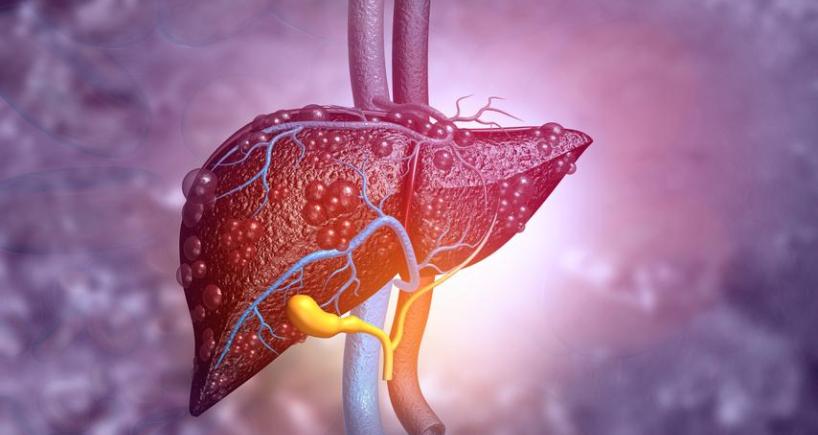


Difference between Liver Cancer and Liver Cirrhosis
The liver is located in the upper right part of the abdomen and is an integral part of the body’s digestive system. Due to various factors, normal liver cells change their characters and size, known as abnormal liver cells or liver cancer cells. It gives rise to liver cancer. On the other hand, liver cirrhosis is a liver disease in which healthy tissue is replaced by scar tissue, interfering with the organ's ability to function properly. While both these conditions may cause similar signs and symptoms, including liver dysfunction, they are different in their cause, effects, treatment and outlook. Let's understand more.
What is Cirrhosis of the Liver?
The liver is responsible for many important functions in the body, such as filtering toxins from the blood and helping to digest food. When the liver is damaged due to alcohol, infections or generalized inflammation, healthy tissue is replaced by scar tissue that forms to repair the damage.
However, over time, when this scar tissue begins to build up, it can interfere with the liver's normal functioning.
Signs and Symptoms of Cirrhosis of the Liver
While you may not experience any signs or symptoms in the early stages of liver cirrhosis, they may appear as the disease advances. However, a few early signs and symptoms include the following:
- Tiredness or fatigue
- Loss of appetite
- Unintended loss of weight
- Nausea
- Fever (occasionally)
Signs and symptoms that may appear in the advanced stages of liver cirrhosis include
- Easy bruising
- Frequent infections
- Itchy skin
- Jaundice (light or pale stools, yellowish skin and eyes, dark urine)
- Fluid build-up in the abdomen
- Swelling of feet
- Blood in stools
- Loss of sex drive/gum bleeding / anal bleeding and enlarged breasts in men
- Premature menopause in women may be seen
Causes and risk factors of Liver Cirrhosis
There are several causes of liver cirrhosis, but the most common ones include the following:
- Chronic liver infections caused by Hepatitis B or C virus
- Fatty liver associated with obesity and diabetes
- Excess alcohol usage or abuse
- Inherited conditions like hemochromatosis, cystic fibrosis and Wilson disease
- Autoimmune hepatitis
- Chronic heart failure
- Rare conditions like amyloidosis
How is Liver Cirrhosis Diagnosed?
To help diagnose liver cirrhosis, routine blood and urine tests are recommended. A few imaging tests that you may need to undergo are:
- Abdominal ultrasound
- Transient elastography
- CT abdomen with IV contrast
- MRI of the abdomen
Treatment of Liver Cirrhosis
Liver cirrhosis has a great outlook when diagnosed and treated early. Though there is no cure for cirrhosis of the liver, treatment for the condition is aimed at slowing down the damage, treating the symptoms and preventing complications.
A few other things to do to prevent your liver cirrhosis from worsening are:
- Quit alcohol
- Treatment for hepatitis if that has caused your cirrhosis
- Avoid harmful medications
- Eat a well-balanced, liver-friendly diet like a low-fat Mediterranean diet
What is Liver cancer?
Liver cancer is a condition in which abnormal liver cells grow and multiply uncontrollably.
Signs and Symptoms
The symptoms of liver cancer can vary depending on how advanced your cancer is and where it is located in the liver. Some common symptoms of liver cancer may include the following:
- Loss of appetite
- Unexplained weight loss
- General weakness and fatigue
- Upper abdominal pain, accompanied by swelling
- Nausea and vomiting
- General weakness and fatigue
- Jaundice
- Itching of the skin
- Swelling in the legs and ankles
Since other conditions can cause these symptoms, talk to your doctor if you are experiencing one or more of these symptoms.
Causes and risk factors
Liver cancer occurs when the DNA of the liver cells undergo abnormal changes or mutations. Most often, the cause of liver cancer is unknown. However, a few factors that may increase your risk for liver cancer are:
- Chronic infection due to Hepatitis B or C
- Liver cirrhosis
- Diabetes
- Non-alcoholic liver disease
- Exposure to aflatoxins (poisonous substances produced by fungi that grow on crops)
How is Liver Cancer Diagnosed?
While there is no screening test for liver cancer, your doctor will perform a thorough physical examination if you show any signs or symptoms. A few tests that may be prescribed to help diagnose your liver cancer include:
- Routine blood tests including tumour marker assay (AFP / CA 19-9/ PIVKA II)
- Imaging tests like a CT, ultrasound and an MRI
- Biopsy of liver tissue
Treatment
Liver cancer treatment primarily depends upon the type of cancer, its location and the extent of spread. Surgery is often the standard first line of treatment for liver cancer and involves the removal of the cancerous portion of the liver and some surrounding healthy tissue. In some cases, a liver transplant is required.
Other treatment options used for liver cancer are:
- Radiofrequency ablation / microwave ablation
- Freezing of cancer cells
- Localised injection of chemotherapy drugs into the liver
- Radiation therapy – SBRT / EBRT
- Targeted drug therapy, Chemotherapy and Immunotherapy
- TACE (Transarterial chemoembolization)
Difference between liver cancer and liver cirrhosis
Liver cirrhosis and liver cancer are two different conditions that can affect the liver. Liver cirrhosis is when scar tissue replaces healthy liver tissue, interfering with the organ's ability to function properly. It is typically caused by chronic alcohol abuse, hepatitis, or non-alcoholic fatty liver disease. On the other hand, liver cancer begins in the normal liver and is caused by the growth of malignant (cancerous) cells in the tissues of the liver. While cirrhosis can sometimes lead to liver cancer, the two conditions are not the same and have different symptoms, causes, and treatment options.
If you are experiencing one or more symptoms mentioned above, it is best to get them checked by our expert hepatologists at the best liver transplant hospital in Chennai Gleneagles Health City in Perumbakkam - Sholinganallur. For appointments, call 044 44777000 right away!
Categories
Clear allRelated Blogs
View all
When Is A Liver Transplant Recommended?
Alcoholic Liver Disease - Why Worry?

Binge Drinking Trend Is The New Silent Killer


Irritable Bowel Syndrome

Digestive Disorders And Prevention


Keep track of your appointments, get updates & more!

