
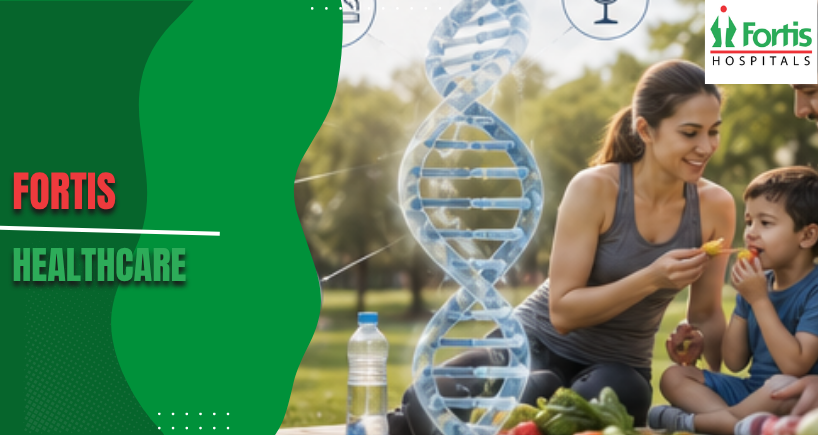


Do Parental Lifestyle Habits Affect Wilms Tumor Risk?
Parents facing childhood cancer diagnoses inevitably question whether their actions contributed to their child's illness. This guilt persists despite medical reassurance because humans naturally seek explanations for devastating events. Research examining parental behaviours before and during pregnancy has explored numerous potential connections to Wilms tumor development without finding definitive answers.
The uncertainty frustrates families whilst fuelling internet speculation about causes. Understanding what science actually reveals about parental factors helps separate evidence from anxiety-driven assumptions. Current research shows far more complexity than simple cause-and-effect relationships between lifestyle choices and kidney cancer risk.
What Pregnancy Studies Actually Show
Large population studies tracking thousands of pregnancies find no consistent links between maternal diet and Wilms tumor causes in offspring. Vitamin supplementation, organic food consumption, and specific dietary patterns show no clear protective or harmful associations. Some research suggested caffeine or alcohol might increase risk, but subsequent larger studies failed to confirm these findings.
Medication use during pregnancy receives careful scrutiny because certain drugs affect fetal development. However, no prescription medications show strong associations with kidney tumour formation. The complexity arises because women taking medications often have underlying conditions that themselves might influence cancer susceptibility independently.
Paternal Age and Genetic Factors
Older fathers accumulate DNA damage in sperm cells over decades potentially affecting offspring. Studies examining paternal age at conception show weak, inconsistent associations with childhood cancer generally. For Wilms' tumor specifically, the evidence remains too limited for conclusions.
Advanced maternal age shows similarly unclear patterns. Some populations demonstrate slight risk elevations whilst others show none. These modest associations likely reflect multiple small genetic factors rather than age itself causing tumours directly.
Environmental Exposure Questions
Decades of research examining parental occupational exposures have produced frustratingly inconsistent results. Pesticide contact, industrial chemical exposure, and electromagnetic fields all underwent investigation. Early studies suggested possible links, but larger follow-up research typically found no significant associations.
The Best Hospital in India participates in national childhood cancer registries collecting detailed exposure data from families. These efforts aim to detect subtle risk factors requiring enormous study populations to identify reliably.
Birth Characteristics and Growth Patterns
Higher birth weight babies show slightly elevated Wilms tumor rates in some epidemiological analyses. This association might reflect rapid foetal growth creating more opportunities for cellular errors. However, most large babies never develop cancer, making birth weight a poor predictor.
Pregnancy complications including preeclampsia and gestational diabetes receive attention because these conditions affect fetal development. Current evidence shows no strong connections to kidney tumour formation despite biological plausibility.
Understanding Sporadic Development
Most Wilms tumor causes involve spontaneous genetic changes during early kidney development rather than inherited or environmentally triggered factors. These random errors occur in developing nephrons without external influences. Cells fail to mature properly, retaining embryonic characteristics allowing uncontrolled growth.
This sporadic nature explains why siblings typically remain unaffected and why most families have no cancer history. The randomness frustrates parents seeking controllable explanations but accurately reflects current scientific understanding.
When Syndromes Indicate Genetic Risk
Approximately 10 percent of cases are associated with recognisable genetic syndromes affecting multiple body systems. WAGR syndrome, Beckwith-Wiedemann syndrome, and Denys-Drash syndrome substantially increase Wilms tumor risk through inherited or spontaneous genetic mutations.
Wilms tumor syndrome screening protocols identify at-risk children before symptoms develop. Regular imaging detects tumours early when treatment proves most effective. Genetic counselling helps families understand inheritance patterns and testing options for relatives.
Lifestyle Factors After Diagnosis
Once Wilms tumor diagnosis occurs, parental lifestyle choices cannot reverse the disease but can support treatment effectiveness. Maintaining child nutrition during chemotherapy, ensuring medication adherence, and attending follow-up appointments significantly impact outcomes.
Wilms tumor prognosis depends primarily on tumour biology, stage, and treatment response rather than family behaviours. Modern therapy cures over 90 percent of patients regardless of parental socioeconomic status or lifestyle patterns.
Moving Beyond Unwarranted Guilt
Parents benefit from understanding that childhood cancers typically result from unfortunate random events rather than preventable exposures. Wilms tumor symptoms like abdominal swelling or blood in urine emerge from biological processes beginning before birth.
Focusing energy on supporting children through treatment proves more productive than dwelling on impossible-to-answer causation questions. Research continues exploring risk factors whilst current evidence consistently shows parental behaviours rarely influence kidney tumour development in children.
Categories
Clear allRelated Blogs
View all





FAQs

Keep track of your appointments, get updates & more!

