
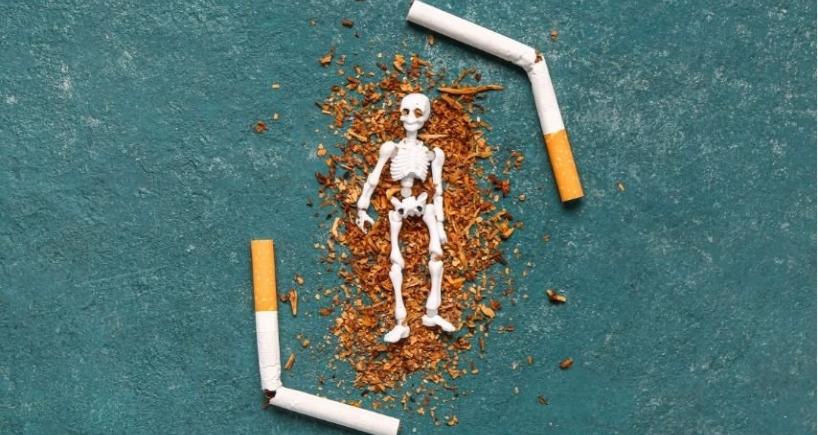


Does Tobacco Cause Cancer? A Honest Explanation Everyone Should Understand
Medicine Made Simple Summary
Yes, tobacco directly causes cancer. Tobacco smoke and smokeless tobacco contain thousands of harmful chemicals, many of which damage DNA and cause cells to grow uncontrollably. This damage builds up over time and can lead to cancer in the mouth, throat, lungs, esophagus, stomach, pancreas, bladder, and several other organs. Both smoking and smokeless forms like chewing tobacco increase cancer risk. The longer and more frequently tobacco is used, the higher the risk. Stopping tobacco use at any age lowers cancer risk and improves overall health and may also slow oral HPV cancer progression in those exposed to HPV.
Understanding Cancer in Simple Terms
Cancer begins when normal cells in the body lose control over how they grow and divide. Healthy cells follow rules. They repair damage or die when they are no longer needed. Cancer cells break these rules. They continue growing even when they should stop.
This loss of control usually happens because the cell’s DNA gets damaged repeatedly. Tobacco is one of the strongest and most proven causes of this damage.
What Tobacco Actually Contains
Many people think tobacco is dangerous only because of nicotine. Nicotine causes addiction, but it is not the main cancer-causing agent.
Tobacco smoke and chewing tobacco contain
- Thousands of chemicals
- Dozens of proven cancer-causing substances
- Toxins that directly damage DNA
Each time tobacco is used, these chemicals enter the body and injure cells. The damage may not cause symptoms immediately, but it accumulates silently over years.
How Tobacco Causes Cancer Step by Step
When tobacco smoke or tobacco juices come in contact with body tissues, harmful chemicals enter the cells. These chemicals damage the DNA inside the cells.
Normally, the body can repair small amounts of damage. With repeated tobacco exposure, the damage becomes too much. Repair systems fail. Cells begin to grow abnormally. Over time, these abnormal cells turn into cancer.
This process explains why cancer often develops after many years of tobacco use rather than immediately.
Smoking and Cancer Risk
Smoking is one of the strongest known causes of cancer worldwide. Smoke does not affect only the lungs. It spreads throughout the body through the bloodstream.
Smoking increases the risk of cancers such as
- Mouth and throat cancer
- Lung cancer
- Voice box cancer
- Esophageal cancer
- Pancreatic cancer
- Bladder cancer
Even light or occasional smoking increases cancer risk. There is no safe level of smoking.
Smokeless Tobacco and Cancer Risk
Many people believe that chewing tobacco or gutkha is safer than smoking. This is a dangerous myth. Smokeless tobacco directly exposes the mouth to cancer-causing chemicals for long periods.
It significantly increases the risk of
- Mouth cancer
- Tongue cancer
- Gum cancer
- Cancer of the cheek lining
Because the tobacco stays in contact with oral tissues for long durations, damage occurs exactly where the cancer later develops.
Why Tobacco-Related Cancer Takes Time to Appear
People often ask why they feel fine for years despite using tobacco. Cancer does not appear overnight.
Tobacco-related cancer develops because
- Damage builds slowly over time
- Early changes do not cause pain
- The body compensates until damage becomes severe
This delay gives a false sense of safety, but the risk continues to grow silently.
Why Some Tobacco Users Get Cancer and Others Do Not
Not everyone who uses tobacco develops cancer, but this does not mean tobacco is safe. Cancer risk depends on
- Duration of tobacco use
- Frequency and amount
- Type of tobacco
- Individual genetic susceptibility
Even people who escape cancer may suffer from heart disease, lung disease, or stroke due to tobacco.
Passive Smoking Also Causes Cancer
Breathing tobacco smoke from others is not harmless. Passive smoking exposes non-smokers to the same toxic chemicals.
Long-term exposure increases the risk of
- Lung cancer
- Throat cancer
- Heart disease
Children and family members living with smokers are particularly vulnerable.
Early Warning Signs of Tobacco-Related Cancer
Tobacco-related cancers often start with subtle symptoms that are easy to ignore.
Warning signs include
- Mouth ulcers that do not heal
- White or red patches inside the mouth
- Persistent sore throat
- Difficulty swallowing
- Hoarseness of voice
- Unexplained weight loss
Symptoms lasting more than two to three weeks should never be ignored.
Why Quitting Tobacco Reduces Cancer Risk
Stopping tobacco use immediately reduces further damage. Over time, the body begins repairing itself.
Benefits of quitting include
- Reduced risk of new cancers
- Better response to cancer treatment if cancer develops
- Improved immune function
- Better quality of life
Even people who quit after many years see meaningful health benefits.
Is It Ever Too Late to Quit
It is never too late to stop using tobacco. Quitting at any age lowers cancer risk compared to continued use.
People who quit live longer and healthier lives than those who continue, regardless of age or duration of use.
Why Many People Continue Despite Knowing the Risk
Tobacco addiction is powerful. Nicotine changes brain chemistry, making quitting difficult. Social habits, stress, and misinformation also play a role.
Understanding addiction as a medical condition helps reduce shame and encourages people to seek help.
Getting Help to Quit
Quitting tobacco is challenging, but support increases success.
Effective help may include
- Medical counseling
- Nicotine replacement therapy
- Prescription medications
- Behavioral support
Seeking help is a sign of strength, not weakness.
Preventing Cancer Starts With Avoiding Tobacco
Most tobacco-related cancers are preventable. Avoiding tobacco is the single most effective way to reduce cancer risk.
Prevention also protects families and future generations from harm.
A Clear and Honest Takeaway
Tobacco causes cancer. This fact is supported by decades of strong scientific evidence. Smoking and smokeless tobacco are both dangerous. The risk increases with continued use, but it decreases after quitting.
Understanding this truth empowers people to make informed choices about their health.
Conclusion
If you use tobacco, consider quitting today. If you notice any persistent mouth sores, throat symptoms, or voice changes, seek medical evaluation promptly. Early action saves lives, and quitting tobacco is one of the most powerful steps you can take to prevent cancer.
Categories
Clear allMeet the doctor

- Oncology | Surgical Oncology | Head and Neck Oncosurgery
-
 15 Years
-

Related Blogs
View all





Keep track of your appointments, get updates & more!

