
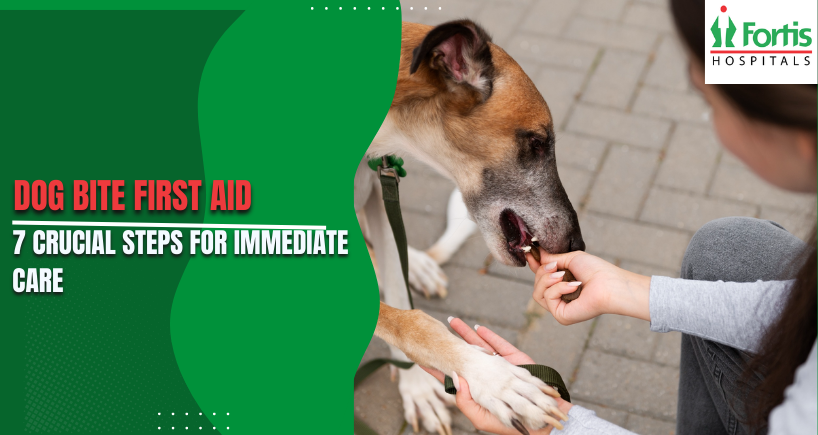


Dog Bite First Aid: 7 Crucial Steps for Immediate Care
A dog bite is a terrifying and chaotic event. The immediate shock and pain are overwhelming, and in that moment of panic, it can be difficult to know what to do if bitten by a dog. Most people are focused on the visible wound, but the most significant dangers are the ones you cannot see. A dog's mouth is home to a host of bacteria, and their teeth can inject these germs deep into your tissues, creating a high risk of infection and, in rare cases, exposure to the rabies virus.
Understanding what happens when dog bites is the key to understanding why your next actions are so vital. Knowing the correct first aid steps is not just about managing pain; it is about preventing a minor injury from escalating into a major medical emergency. If you are ever in this situation, this is what to do after dog bite in seven crucial steps.
Step 1: Prioritize Your Immediate Safety
This is the absolute, non-negotiable first step. You cannot begin to administer first aid if you are still in danger of being attacked again. Your immediate priority is to get yourself and anyone else involved to a safe location.
Move Away Calmly: Do not run or scream. This can re-trigger a dog's predatory or fear response. Back away slowly and try to put a barrier, such as a chair, a bag, or a door, between you and the dog.
Secure the Animal: If it is your dog or you know the owner, the dog must be secured in another room, in its crate, or in a fenced yard. If it is an unfamiliar dog, focus only on getting away.
Create a Calm Environment: Once you are safe, take a deep breath. Your adrenaline will be high. To effectively treat the wound, you need to be as calm and clear-headed as possible.
Step 2: Assess the Severity of the Wound
Once you are in a safe place, you need to quickly assess the damage. The type of wound will determine your immediate next actions.
Superficial Scrapes: The skin is broken, but the wound is not deep.
Lacerations: These are open, jagged tears in the skin.
Puncture Wounds: These are the most deceptive and dangerous type of dog bite. The dog’s canine teeth act like needles, injecting bacteria deep into the tissue. These wounds may look small on the surface but can have significant underlying damage to muscles, tendons, or nerves.
When to Go to the Emergency Room Immediately:
If the bite is on the head, face, or neck, if it is a very deep puncture wound, or if the bleeding is severe and uncontrollable (spurting or soaking through bandages), do not waste time. Apply direct, firm pressure with a clean cloth and seek emergency medical help immediately.
Step 3: Wash the Wound Thoroughly and Immediately
This is the single most important step for preventing infection. A dog’s mouth contains a multitude of bacteria, with Pasteurella being one of the most common. You must flush those germs out.
Use Mild Soap and Water: Forget about hydrogen peroxide, which can damage healthy tissue, or stinging alcohol. Simple, mild soap and clean, running water are the most effective tools you have.
Flush with Copious Amounts of Water: Place the wound under a faucet and let lukewarm running water flow over it for a solid 5 to 10 minutes. This mechanical flushing action is critical for washing away bacteria, saliva, and any debris from the wound.
Gently Lather: Lather up the soap in your hands and let the suds and water run into the wound. Try to gently clean the surrounding skin as well. Be as thorough as you can, even though it may be painful. This 10-minute investment of time can be the difference between a clean recovery and a severe infection.
Step 4: Apply Gentle Pressure to Control Bleeding
After the wound has been thoroughly washed, you need to stop any active bleeding. A small amount of bleeding is actually beneficial, as it helps to clean the wound from the inside out. You should not, however, let it bleed uncontrollably.
Apply Firm, Steady Pressure: Take a clean cloth, sterile gauze pad, or bandage and press it firmly onto the wound.
Maintain Pressure: Hold the pressure steadily for several minutes. Do not be tempted to lift the cloth every 30 seconds to check if it has stopped. This will only dislodge any new clots that are forming.
Elevate the Wound: If the dog bite is on an arm or leg, you can elevate the limb above the level of your heart while continuing to apply pressure. This will use gravity to help slow the bleeding.
Step 5: Protect the Wound with a Sterile Bandage
Once the bleeding has stopped and the area is as clean as possible, your next step is to protect the wound from new bacteria entering.
Pat the Area Dry: Use a clean towel or sterile gauze to gently pat the surrounding skin dry. Avoid rubbing the wound itself.
Apply an Antiseptic: While not a replacement for thorough washing, you can apply an over-the-counter antiseptic ointment to provide an additional layer of protection.
Cover with a Sterile Bandage: Use a sterile, non-stick bandage to completely cover the wound. This keeps the area clean and protects the damaged tissue as it begins to heal.
Step 6: Gather Vital Information About the Dog
This step is easy to forget in the heat of the moment, but it is a critical part of your medical follow-up, especially concerning the risk of rabies. Rabies is 100% fatal once symptoms begin, so this information is not optional.
Find the Owner: If the dog is not a stray, find the owner. Calmly ask for their name, contact information, and, most importantly, the dog’s vaccination history.
Ask for Proof of Rabies Vaccination: Do not just take their word for it. Ask to see a vaccination certificate or the name and number of their veterinarian. A dog that is up-to-date on its rabies vaccine poses virtually no risk of transmitting the virus.
If It Was a Stray: If the dog was a stray or ran off, make detailed notes. What did it look like? Where did the bite happen? What time was it? This information is vital for animal control.
Step 7: Seek Professional Medical Evaluation Without Delay
This is the final and most essential step. Every dog bite that breaks the skin requires a medical evaluation, even if it seems minor.
Call Your Doctor or Visit an Urgent Care: Do not "wait and see" if it gets infected. By then, the infection is already established. A doctor needs to assess the wound immediately.
Tetanus Booster: Your doctor will need to know when you had your last tetanus shot. If it has been more than five years, you will likely need a booster.
Antibiotics: Because of the high risk of infection, doctors often prescribe a course of prophylactic (preventative) antibiotics, especially for puncture wounds or bites on the hands and feet.
Rabies Risk Assessment: This is the most important reason for the visit. You will present the information you gathered in Step 6. If the dog's vaccination status is unknown or it was a stray, your doctor and local health department will decide if you need to begin rabies post-exposure prophylaxis (PEP). This is a series of shots that is highly effective at preventing the disease.
Wound Care: The doctor will re-clean the wound and determine if it needs stitches. Many dog bite wounds, especially punctures, are often left open to heal, as stitching them closed can trap bacteria and increase the risk of infection.
A Proactive Stance on Your Safety and Recovery
A dog bite is a serious medical event that requires a calm and methodical response. Following these steps is the key to preventing infection and ensuring you get the comprehensive care you need.
This knowledge empowers you to act decisively in a frightening situation. By taking control and partnering with a healthcare provider, you can navigate the path to a safe and complete recovery.
Frequently Asked Questions
Q1. Do all dog bites need antibiotics?
Ans. While not every single bite will get infected, the risk is very high. Doctors typically prescribe preventative antibiotics for most bites that break the skin, especially for deep puncture wounds, bites on the hands or feet, or bites in people who are immunocompromised.
Q2. Why are puncture wounds from a dog bite so dangerous?
Ans. Puncture wounds are deceptive. They look small on the surface but are deep. A dog's tooth acts like a needle, injecting bacteria far into the tissue, muscle, or tendons, where it is very difficult to clean out. These wounds create a perfect, low-oxygen environment for bacteria to multiply.
Q3. What are the signs of infection I should watch for?
Ans. Even after correct first aid, you must watch for signs of infection. These include increasing redness that spreads away from the wound, severe pain or swelling, a fever, pus or foul-smelling drainage from the wound, or red streaks appearing on the skin near the bite.
Q4. What is rabies post-exposure prophylaxis (PEP)?
Ans. PEP is a series of shots given to a person after an exposure to a potentially rabid animal. It consists of one dose of immune globulin (which provides immediate antibodies) and a series of four rabies vaccine doses given over 14 days. It is extremely effective at preventing rabies if given promptly.
Categories
Clear allRelated Blogs
View all






Keep track of your appointments, get updates & more!

