


Early Signs of Liver Damage People Often Overlook
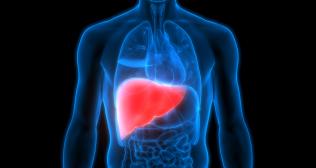
The liver is one of the hardest-working organs in the human body. It performs hundreds of essential functions every day, including filtering toxins, processing nutrients, supporting digestion, regulating metabolism, and storing energy.
Despite its importance, liver health is often ignored until serious symptoms appear. One of the biggest challenges with liver disease is that early damage can develop quietly, with warning signs that are subtle and easy to dismiss.
Across India, doctors are seeing a growing rise in liver-related disorders linked to poor lifestyle habits, obesity, alcohol consumption, diabetes, fatty liver disease, viral infections, and metabolic conditions. Many patients only seek medical attention after significant liver damage has already occurred.
Recognising early symptoms can help with timely diagnosis, treatment, and prevention of long-term complications.
Why Liver Health Matters
The liver helps the body:
- Remove harmful toxins
- Process fats and nutrients
- Produce important proteins
- Support digestion through bile production
- Regulate blood sugar levels
- Store vitamins and minerals
When liver function becomes impaired, multiple systems in the body can be affected.
The concerning part is that liver disease may progress for years before severe symptoms become obvious.
Why Early Liver Damage Often Goes Unnoticed
The liver has a strong ability to compensate for damage in the early stages.
As a result, many people continue functioning normally even while inflammation or fat accumulation slowly progresses inside the liver.
Early symptoms are often mistaken for:
- Stress
- Acidity
- Fatigue
- Poor sleep
- Digestive discomfort
- Lifestyle exhaustion
Because the signs are vague, people frequently delay medical evaluation.
Persistent Fatigue and Low Energy
One of the earliest and most commonly ignored signs of liver dysfunction is ongoing fatigue.
People may experience:
- Constant tiredness
- Reduced stamina
- Difficulty concentrating
- Lack of energy despite adequate sleep
When the liver is under stress, metabolism and energy regulation may become affected, contributing to persistent exhaustion.
Digestive Discomfort and Bloating
The liver plays an important role in digestion, especially in processing fats.
Early liver problems may sometimes lead to:
- Bloating
- Indigestion
- Nausea
- Loss of appetite
- Feeling unusually full after meals
These symptoms are often confused with routine gastric problems.
Unexplained Weight Changes
Some individuals with liver disease may notice:
- Gradual weight gain
- Increased abdominal fat
- Unintentional weight loss in advanced stages
Fat accumulation in the liver is closely associated with obesity and metabolic disorders.
Yellowing of the Skin or Eyes
Jaundice is one of the more recognised signs of liver dysfunction.
It develops when bilirubin builds up in the bloodstream due to impaired liver processing.
Symptoms may include:
- Yellowing of the eyes
- Yellow skin discoloration
- Dark urine
- Pale stools
Although jaundice may not appear in early disease, it should never be ignored if present.
Swelling in the Abdomen or Legs
As liver disease progresses, fluid retention may occur.
This can lead to:
- Swelling in the legs
- Puffiness around the ankles
- Abdominal swelling or bloating
Persistent swelling may indicate more advanced liver involvement and requires medical attention.
Frequent Itching
Chronic itching without a clear skin-related cause may sometimes be associated with liver dysfunction.
Changes in bile flow and toxin buildup can contribute to skin irritation in some patients.
Easy Bruising
The liver helps produce proteins involved in blood clotting.
When liver function declines, some individuals may notice:
- Bruising easily
- Frequent bleeding from minor injuries
- Slow clotting
These signs may suggest impaired liver function and should be medically evaluated.
Common Causes of Liver Damage in India
Several health and lifestyle factors are contributing to rising liver disease cases across India.
Fatty Liver Disease
Non-alcoholic fatty liver disease is becoming increasingly common due to:
- Obesity
- Diabetes
- Sedentary lifestyle
- Poor diet
- Excess sugar intake
Many individuals with fatty liver may not experience symptoms initially.
Alcohol Consumption
Excessive alcohol intake can gradually damage liver cells and increase the risk of:
- Alcoholic hepatitis
- Liver scarring
- Cirrhosis
Viral Hepatitis
Hepatitis B and C infections remain important causes of liver damage and liver cancer.
These infections may remain silent for years before symptoms appear.
Unhealthy Diet and Obesity
High intake of processed foods, sugary beverages, fried foods, and refined carbohydrates can increase liver fat accumulation.
Self-Medication and Excessive Drug Use
Frequent use of certain medications or supplements without supervision may harm the liver over time.
Who Is More Vulnerable to Liver Disease?
Higher-risk groups include people with:
- Obesity
- Diabetes
- High cholesterol
- High alcohol intake
- Viral hepatitis
- Family history of liver disease
- Sedentary lifestyles
Even younger adults are increasingly being diagnosed with liver-related disorders today.
When Should You Consult a Doctor?
Medical evaluation is important if symptoms persist, especially:
- Fatigue
- Digestive discomfort
- Swelling
- Yellowing of eyes
- Dark urine
- Unexplained weight changes
Early diagnosis can help prevent severe liver complications.
How Liver Disease Is Diagnosed
Doctors may recommend several tests to assess liver health.
Blood Tests
These help evaluate:
- Liver enzymes
- Bilirubin levels
- Protein levels
- Overall liver function
Ultrasound and Imaging
Imaging helps identify:
- Fat accumulation
- Liver enlargement
- Structural abnormalities
FibroScan
This non-invasive test helps assess liver stiffness and fatty liver severity.
Viral Hepatitis Screening
Testing may be recommended for hepatitis infections where relevant.
At Fortis Hospital Delhi, liver specialists use advanced diagnostic techniques and multidisciplinary evaluation to identify liver disease early and personalise treatment strategies.
Can Liver Damage Be Reversed?
In many cases, early liver damage can improve significantly if the underlying cause is addressed promptly.
Lifestyle modifications may include:
- Weight management
- Healthier eating habits
- Limiting alcohol intake
- Managing diabetes
- Regular exercise
- Avoiding unnecessary medications
The liver has a remarkable ability to recover when intervention happens early.
Protecting Liver Health
Simple preventive steps can reduce long-term liver risk.
Maintain Healthy Weight
Reducing excess body fat supports liver function.
Limit Alcohol Consumption
Moderation or avoidance can significantly lower liver stress.
Stay Physically Active
Regular movement improves metabolism and liver health.
Eat Balanced Meals
Reducing processed foods and added sugars can help prevent fatty liver disease.
Get Routine Health Check-Ups
Regular screening helps detect silent liver problems early.
Conclusion
Liver disease often develops quietly, and many of its earliest warning signs are easy to overlook. Persistent fatigue, digestive discomfort, swelling, or changes in skin and urine color may sometimes indicate underlying liver stress that should not be ignored.
With lifestyle-related liver disorders increasing rapidly in India, awareness and preventive care have become more important than ever. Early diagnosis can help prevent severe complications and improve long-term liver health outcomes.
If you are experiencing persistent symptoms or have risk factors linked to liver disease, consulting a liver specialist at Fortis Healthcare can help ensure timely diagnosis and appropriate care.
Categories
Clear allMeet the doctor

- Gastroenterology and Hepatobiliary Sciences | Gastroenterology and Hepatobiliary Sciences
-
 33 Years
-
 2000
2000
Related Blogs
View all
When Is A Liver Transplant Recommended?
Alcoholic Liver Disease - Why Worry?

Binge Drinking Trend Is The New Silent Killer

Irritable Bowel Syndrome

Digestive Disorders And Prevention
FAQs
What are the earliest signs of liver damage?
Fatigue, bloating, digestive discomfort, appetite changes, and unexplained weakness are some early warning signs.
Can liver damage happen without symptoms?
Yes. Many liver conditions progress silently in the early stages.
Is fatty liver disease serious?
If left untreated, fatty liver disease may progress to inflammation, liver scarring, or cirrhosis.
Can liver damage be reversed naturally?
Early-stage liver damage often improves with lifestyle changes and medical management.
When should liver function be tested?
People with obesity, diabetes, alcohol use, or persistent digestive symptoms should consider medical evaluation.

Keep track of your appointments, get updates & more!

