
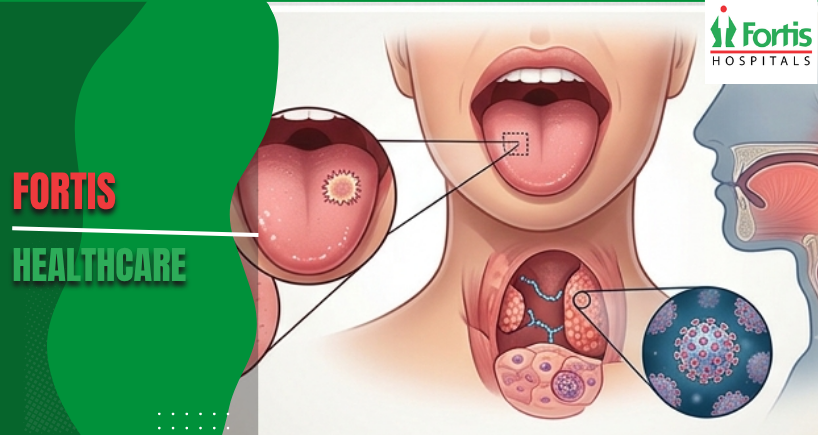


Early Signs of Oral Cancer People Often Ignore
Oral cancer is one of the most common cancers seen in India, yet many people fail to recognise its early warning signs. In several cases, symptoms begin as small mouth changes that appear harmless initially and are ignored for months.
A persistent mouth ulcer, difficulty swallowing, white patches inside the mouth, or unexplained jaw discomfort may not always seem serious at first. However, when these symptoms continue without healing, they should never be ignored.
India continues to report a high burden of oral cancer, largely due to tobacco use, smoking, alcohol consumption, and delayed medical consultation. The positive aspect is that oral cancer is often highly treatable when identified early.
Recognising subtle symptoms and seeking timely evaluation can significantly improve treatment outcomes.
What Is Oral Cancer?
Oral cancer refers to cancer that develops in areas such as:
- Tongue
- Gums
- Inner cheeks
- Lips
- Roof of the mouth
- Floor of the mouth
- Throat region
The disease usually develops gradually, which is why many patients overlook the warning signs initially.
Why Oral Cancer Often Gets Diagnosed Late
One major reason is that early symptoms can resemble common mouth problems.
People frequently mistake warning signs for:
- Mouth ulcers
- Dental irritation
- Gum infection
- Heat-related sores
- Minor throat infections
Instead of seeking evaluation, many individuals self-medicate or wait for symptoms to disappear.
Mouth Ulcers That Do Not Heal
One of the most important warning signs is a mouth ulcer that continues for several weeks without improvement.
These ulcers may:
- Cause pain
- Bleed occasionally
- Appear white or red
- Feel rough or thickened
Persistent ulcers should always be medically examined.
White or Red Patches Inside the Mouth
Abnormal patches inside the mouth may sometimes indicate precancerous changes.
Warning signs include:
- White patches
- Red patches
- Thickened areas
- Persistent discoloration
These patches may develop on the tongue, gums, cheeks, or mouth lining.
Difficulty Swallowing or Speaking
Some people notice:
- Pain while swallowing
- Difficulty chewing
- Changes in speech clarity
- Persistent throat irritation
These symptoms may gradually worsen over time.
Unexplained Lump in the Neck or Mouth
Swelling or a lump that does not disappear should not be ignored.
This may appear:
- Inside the mouth
- Along the jawline
- In the neck region
Painless swelling can still require urgent evaluation.
Persistent Bad Breath
Bad breath that continues despite good oral hygiene may sometimes occur due to underlying mouth disease or infection.
Loose Teeth Without Dental Cause
Oral cancer affecting gums or jaw structures may occasionally cause:
- Tooth loosening
- Gum swelling
- Jaw discomfort
- Difficulty wearing dentures properly
Numbness or Pain in the Mouth
Some patients experience:
- Persistent tongue pain
- Burning sensation
- Facial numbness
- Jaw pain
Symptoms that continue without improvement should be medically assessed.
Why Oral Cancer Is Common in India
India carries one of the highest oral cancer burdens globally.
Several factors contribute to this.
Tobacco Consumption
Smoking and chewing tobacco remain the biggest risk factors linked to oral cancer.
This includes:
- Cigarettes
- Gutkha
- Pan masala
- Khaini
- Bidis
Long-term exposure damages mouth tissues and increases abnormal cell growth risk.
Alcohol Consumption
Heavy alcohol intake can further increase oral cancer risk, especially when combined with tobacco use.
Poor Oral Hygiene
Untreated dental problems and chronic irritation inside the mouth may contribute to long-term tissue damage.
HPV Infection
Certain oral and throat cancers are increasingly being linked to HPV infection.
Delayed Medical Attention
Many patients delay consultation because early symptoms seem mild or painless.
Can Non-Tobacco Users Get Oral Cancer?
Yes.
Although tobacco significantly increases risk, oral cancer can also occur in people without tobacco history due to:
- HPV infection
- Genetic factors
- Chronic irritation
- Alcohol use
- Poor immunity
Who Is at Higher Risk?
Risk increases among people who:
- Smoke
- Chew tobacco
- Consume alcohol regularly
- Have poor oral hygiene
- Have HPV infection
- Ignore persistent mouth symptoms
Age-related risk increases over time, although younger patients are also being diagnosed today.
Why Early Detection Matters
Early-stage oral cancer is often easier to treat successfully.
Timely diagnosis may:
- Improve survival rates
- Reduce treatment complexity
- Preserve speech and swallowing function
- Lower the need for extensive surgery
Delaying diagnosis may allow disease spread to nearby tissues or lymph nodes.
How Oral Cancer Is Diagnosed
Doctors usually begin with a detailed examination of the mouth and throat.
Further evaluation may include:
- Oral screening examination
- Biopsy
- CT scans
- MRI scans
- PET scans
- Endoscopy procedures
At Fortis Hospital Delhi, head and neck oncology specialists use advanced diagnostic imaging and multidisciplinary cancer evaluation to support early detection and personalised treatment planning.
Treatment Options for Oral Cancer
Treatment depends on:
- Cancer stage
- Tumor location
- Disease spread
- Overall health condition
Treatment approaches may include:
- Surgery
- Radiation therapy
- Chemotherapy
- Targeted therapy
- Reconstructive procedures
Modern treatment increasingly focuses on preserving function and quality of life.
How to Reduce Oral Cancer Risk
Avoid Tobacco Completely
Stopping tobacco use remains the most effective preventive measure.
Limit Alcohol Intake
Reducing alcohol consumption may lower cancer risk.
Maintain Good Oral Hygiene
Regular dental care and oral health monitoring are important.
Pay Attention to Persistent Mouth Changes
Symptoms lasting several weeks should never be ignored.
Prioritise Regular Screening
People with tobacco exposure may benefit from periodic oral cancer screening.
Conclusion
Oral cancer often begins with subtle symptoms that many people dismiss as minor dental or throat problems. Persistent ulcers, unusual mouth patches, swallowing difficulty, or unexplained swelling should never be ignored, especially when symptoms continue for several weeks.
With oral cancer cases remaining high in India, awareness and early diagnosis are essential for improving treatment outcomes and reducing complications.
If you notice persistent mouth-related symptoms or have risk factors such as tobacco use, consulting a head and neck cancer specialist at Fortis Healthcare can help ensure timely evaluation and appropriate care.
Categories
Clear allMeet the doctor

- Oncology | Medical Oncology
-
 12 Years
-
 1500
1500
Related Blogs
View all









FAQs
What is the earliest sign of oral cancer?
A mouth ulcer or patch that does not heal within a few weeks is one of the most important warning signs.
Can oral cancer occur without pain?
Yes. Early oral cancer may sometimes be painless.
Are white patches inside the mouth dangerous?
Some white patches may represent precancerous changes and should be medically evaluated.
Can young adults develop oral cancer?
Yes. Although more common with age, younger individuals can also develop oral cancer, especially with tobacco exposure or HPV infection.
When should mouth ulcers be checked by a doctor?
Any ulcer lasting longer than two to three weeks should be examined by a specialist.

Keep track of your appointments, get updates & more!

