
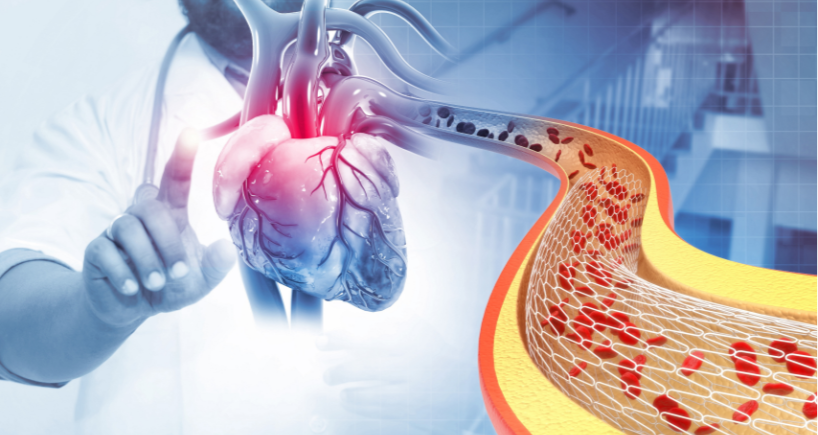


ECMO Therapy - Understanding Extracorporeal Membrane Oxygenation
Overview - ECMO
ECMO is the abbreviation for Extracorporeal Membrane Oxygenation. It is a lifesaving cardiopulmonary support procedure during which blood is drained from the vascular system, circulated outside the body using a mechanical pump and reinfused into the blood circulation. This process helps the blood get completely saturated with oxygen and filter out carbon dioxide (a waste gas).
While the flow rate determines the oxygenation level during the ECMO procedure, carbon dioxide elimination can be controlled by adjusting the concurrent gas flow through the oxygenator.
The ECMO machine is used for patients in severe life-threatening conditions that have damaged their hearts and lungs.
Why do you need an ECMO Machine?
An ECMO procedure provides cardiopulmonary life-support and is indicated in the following conditions:
- Cardiogenic shock due to any of the following causes:
- Acute coronary syndrome
- Cardiac arrhythmic storm
- Sepsis with profound cardiac depression
- Drug overdose or toxicity with cardiac depression
- Pulmonary embolism
- Myocarditis
- Isolated cardiac trauma
- Acute anaphylaxis
- Post cardiotomy when the individual cannot wean from cardiopulmonary bypass following cardiac surgery.
- After a heart transplant, when there is a primary graft failure
- Chronic cardiomyopathy
- Periprocedural support for high-risk percutaneous cardiac interventions
- Acute respiratory distress syndrome due to bacterial or viral pneumonia, aspiration syndromes and alveolar proteinosis
- Extracorporeal assistance is provided to rest the lung in the case of airway obstruction, pulmonary contusion, and smoke inhalation
- In the case of a lung transplant
- Lung hyperinflation
- Pulmonary haemorrhage
- Congenital hernia
- Meconium aspiration
What is the procedure an Extracorporeal Membrane Oxygenation?
To understand the extracorporeal membrane oxygenation procedure, we must know the parts of an ECMO machine and its types.
A typical ECMO machine comprises three essential parts:
- A mechanical blood pump: This consists of a set of tubes that lets the blood flow to and from the patient's body.
- Membrane oxygenator: This component pumps oxygen into the blood from the patient's body.
- Heat exchanger: This part of the ECMO treatment ensures that the blood going back into the patient's body is at the same temperature as it came out.
All these connect with a circuit tubing called cannulas.
There are two primary types of ECMO machines used, namely- VA-ECMO (Veno-Arterial) and VV-ECMO (Veno-Venous).
If an individual needs to be placed on an ECMO machine, it requires a minor surgical procedure that is usually performed in the patient's room under sedation. The patient will also be given pain medication and an anticoagulant to lower blood clotting.
During the ECMO procedure:
- The surgeon, assisted by his team, inserts the ECMO catheters into the patient's artery or vein.
- An x-ray is taken to confirm that the tubes have been placed correctly.
- In most cases, the patient on ECMO will be on a ventilator to allow the lungs to heal.
- Supplemental nutrition will be provided to the individual intravenously or through a gastric tube, as the breathing tube and sedation make it difficult to consume food orally.
- While on ECMO, the individual may also be given multiple medications such s heparin, antibiotics, sedatives and diuretics. Electrolytes may be given to ensure proper salt and sugar balance at all times in the body.
What are the Benefits of an ECMO Machine?
There are several reasons why doctors and surgeons prefer to use an ECMO machine, and some of these include the following:
- It can maintain oxygen supply to the body even when the lungs are resting
- An ECMO machine's pumping ability can support reversible heart disorders whenever required.
- ECMO allows the lungs to rest and heal while it takes care of the oxygenation of blood
What are the risks of an ECMO Treatment?
It is a proven fact that the ECMO machine is an invaluable medical invention. However, like any other medical procedure, it does carry certain risks, like the following.
- As the blood pumps out of the body, there is a chance of clotting. Blood thinners help avoid this.
- Bleeding due to tubes inserted into the arteries and veins. Also, the risk increases if the patient requires surgical treatment while on the ECMO machine.
- There is also a risk of infection due to the insertion of tubes. Direct access to the bloodstream can spread faster.
- A haemorrhage/brain bleed during ECMO could cause a stroke. Bleeding can also occur due to clots in the ECMO circuit that travel to the brain.
ECMO treatment - Before and After
Before being placed on the ECMO machine, the patient is sedated and given blood thinners to combat clotting. The surgeon and their team insert the ECMO tubes into either an artery or the veins, ensuring the right placement with an X-ray view.
After the treatment, multiple tests are performed before the doctors decide to take the patient off ECMO. A trial is attempted to see if the patient does well without the ECMO machine. If they do, then the cannulas are removed. But if issues arise and the patient is in distress, they are put on ECMO in medical again for a few days.
Cost of ECMO Treatment
To know the cost, kindly contact us at Fortis Gleneagles Hospital at Lakdi-ka-pul, Hyderabad
Categories
Clear allRelated Blogs
View all



FAQs

Keep track of your appointments, get updates & more!

