
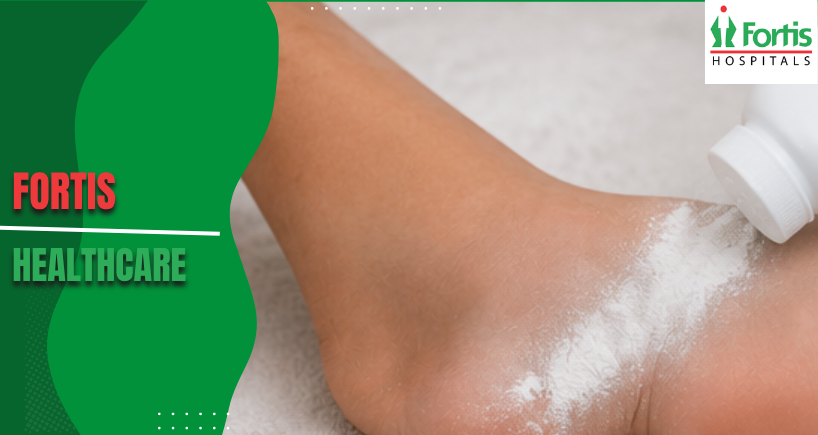


Effective Antifungal Powders That Help Soothe and Protect Fungal Skin Issues
Fungal skin infections are far more common than most people realize. From persistent itching in the groin and underarms to stubborn rashes between the toes, fungal conditions can be uncomfortable, embarrassing, and surprisingly difficult to shake without the right treatment. Antifungal powders have emerged as one of the most convenient and effective ways to manage these infections — especially in hot and humid climates like India.
In this blog, we break down how antifungal powders work, which ingredients to look for, and how to use them correctly for lasting relief and skin protection.
What Are Fungal Skin Infections?
Fungal skin infections are caused by dermatophytes, yeasts, or molds that thrive in warm, moist environments. The most common types include ringworm (tinea corporis), athlete's foot (tinea pedis), jock itch (tinea cruris), and fungal nail infections. Symptoms typically include redness, itching, scaling, and a ring-shaped rash.
These infections spread through direct skin contact, shared clothing, damp surfaces, and poor hygiene in warm weather. People who sweat heavily, wear tight clothing, or have weakened immune systems are particularly vulnerable.
How Do Antifungal Powders Work?
Antifungal powders work through two key mechanisms. First, the active antifungal ingredient — such as clotrimazole, miconazole, or tolnaftate — targets and destroys the fungal cell membrane, preventing the organism from reproducing. Second, the powder base absorbs excess moisture and reduces skin friction, which eliminates the warm, damp environment that fungi need to survive and grow.
This dual action makes powders especially useful for high-sweat areas like the feet, groin, underarms, and skin folds.
Key Antifungal Ingredients to Look For
1. Clotrimazole
One of the most widely used antifungal agents, clotrimazole is effective against a broad spectrum of fungi including dermatophytes and Candida. It is commonly used to treat ringworm, athlete's foot, and jock itch. Most over-the-counter antifungal powders and creams in India contain 1% clotrimazole.
2. Miconazole
Miconazole works similarly to clotrimazole and is particularly effective against both fungal and some bacterial co-infections. It is a popular ingredient in dusting powders used for diaper rash, athlete's foot, and intertrigo — a rash that forms in skin folds.
3. Tolnaftate
Tolnaftate is specifically effective against dermatophytes — the group of fungi responsible for ringworm and athlete's foot. It is a mild but reliable option and is well-tolerated by most skin types, including sensitive skin.
4. Undecylenic Acid
A natural antifungal derived from castor oil, undecylenic acid is effective against athlete's foot and tinea infections. It is a good option for those seeking a more natural formulation.
5. Zinc Oxide
Though not antifungal itself, zinc oxide is often included in formulations for its soothing, anti-inflammatory, and moisture-absorbing properties. It helps protect irritated skin and speeds up healing.
How to Use Antifungal Powders Correctly
Step 1: Clean and Dry the Affected Area Thoroughly
Wash the affected skin with mild soap and water, then pat it completely dry — especially in skin folds and between toes. Fungi thrive in moisture, so this step is critical.
Step 2: Apply a Thin, Even Layer of Powder
Dust a light, even layer of antifungal powder over the affected area and the surrounding skin. Avoid applying it thickly, as excess powder can cake and trap moisture instead of absorbing it.
Step 3: Apply Twice Daily for the Full Duration
Most antifungal powders require twice-daily application for 2–4 weeks, even if symptoms improve within the first week. Stopping early is one of the most common reasons infections return.
Step 4: Complement with Good Hygiene Habits
Wear breathable, loose-fitting cotton clothing. Change socks daily. Avoid sharing towels or footwear. These habits dramatically reduce the risk of reinfection.
When Should You See a Doctor?
Antifungal powders work well for mild to moderate infections. However, if your symptoms do not improve after 2–4 weeks of consistent use, if the rash spreads, or if you develop fever, swelling, or pus, it is time to consult a dermatologist. Severe or widespread fungal infections often require prescription oral antifungal medications.
Prevention Tips for Fungal Skin Infections
- Keep skin clean and completely dry after bathing or exercise.
- Use antifungal powder preventively in high-sweat areas during summer or monsoon months.
- Wear moisture-wicking underwear and socks.
- Avoid walking barefoot in public showers, gyms, and pools.
- Do not share personal items like towels, razors, or footwear.
Conclusion
Antifungal powders are a simple, accessible, and highly effective first line of defense against common fungal skin infections. The key is choosing the right active ingredient for your specific condition and using it consistently for the full recommended duration. Pair good product choice with proper hygiene habits, and you will be well on your way to healthier, infection-free skin.
Categories
Clear allMeet the doctor

- Support Specialties | General Physician
- Internal Medicine | Internal Medicine
-
 15 Years
-
 1150
1150
Related Blogs
View all








FAQs

Keep track of your appointments, get updates & more!

