
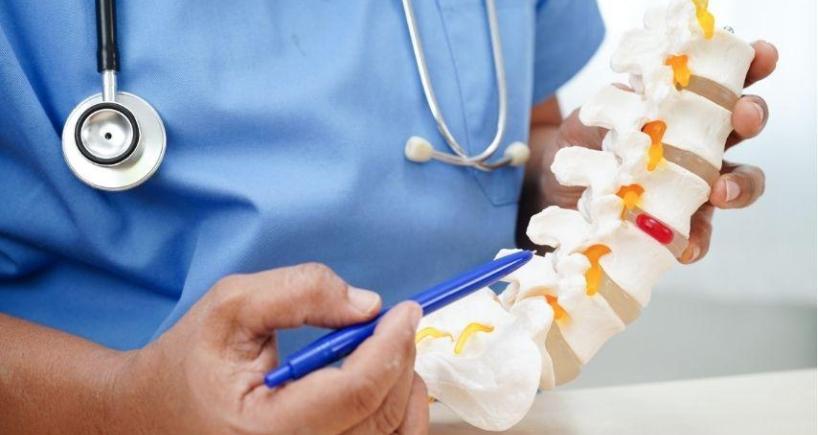


Endoscopic vs Open Spine Surgery
Medicine Made Simple Summary
Endoscopic spine surgery and open spine surgery both aim to relieve nerve pressure, but they differ greatly in how the surgeon reaches the spine. Endoscopic surgery uses a tiny incision and a narrow tube with a camera to remove the problem without disturbing much muscle. Open surgery requires a larger incision and more muscle exposure. Because of these differences, healing time, pain levels, scarring and time away from work are often much shorter with endoscopic surgery. Understanding the pros, limitations, and real-world endoscopic spine surgery patient experiences helps patients make confident choices.
People with spine problems often struggle to choose between open surgery and newer minimally invasive options like endoscopic spine surgery. Forums, waiting rooms, and online discussions focused on life after endoscopic spine surgery show the same questions again and again:
- “Will the smaller surgery really fix the problem?”
- “Is open surgery safer?”
- “Which one heals faster?”
- “Are scars truly smaller with endoscopic methods?”
- “What about long-term results?”
This article explains both techniques in simple, direct language and compares them across the factors patients care most about—healing, pain, scarring, risks, return to normal life, and insights commonly raised when choosing an endoscopic spine surgeon.
First, Understand the Purpose of Both Surgeries
Both surgeries aim to achieve the same goal:
Remove the tissue pressing on a nerve so pain, numbness or weakness can improve.
The difference lies in how surgeons reach the problem area.
Endoscopic spine surgery uses
- A tiny incision
- A thin tube (working channel)
- A small camera
- Miniaturized surgical tools
Open spine surgery uses
- A larger incision
- Muscle retraction to expose the spine
- Direct visualization of the anatomy
- Larger instruments
- More extensive bone removal in some cases
Neither method is “better” for every patient. The best choice depends on your condition, anatomy and the surgeon’s experience.
Understanding Endoscopic Spine Surgery
How It Works
The surgeon makes a very small cut—usually under a centimeter. A tube is guided to the problem area. A camera, called an endoscope, is inserted through the tube, giving a magnified view on a screen.
The surgeon removes only the tissue causing nerve compression, such as
- Herniated disc fragments
- Bone spurs
- Thickened ligament portions
Why This Approach Is Minimally Invasive
The endoscope passes between muscles instead of cutting through them. This preserves natural structure and reduces trauma.
Common Procedures Done Endoscopically
- Herniated disc removal
- Foraminal stenosis decompression
- Mild to moderate spinal stenosis
- Recurrent disc herniation
Understanding Open Spine Surgery
How Open Surgery Works
Open surgery requires a longer incision. The surgeon moves muscles aside to see the spine directly. This provides a wide field of view and allows larger or more complex operations.
When Open Surgery Is Necessary
- Severe spinal stenosis
- Multi-level decompressions
- Instability requiring screws or rods
- Deformities such as scoliosis
- Large tumors or infections
Open surgery gives more room to operate when the condition is extensive or structurally complex.
Healing and Recovery: Endoscopic vs Open Surgery
Healing After Endoscopic Surgery
Healing is usually fast because incision size is small and muscle disruption is minimal.
Typical course:
- Walking on the same day or next day
- Mild soreness near the incision
- Return to desk work within 1–2 weeks
- Return to moderate activity in several weeks
- Light exercise early with guidance
Healing After Open Surgery
Open surgery requires more time because the body must recover from muscle retraction and larger incision healing.
Typical course:
- Hospital stay of several days
- Slower return to walking comfortably
- Soreness lasting several weeks
- Desk work return in 4–6 weeks
- Physical therapy for several months
Why Healing Differs
Endoscopic surgery preserves muscle structure. Open surgery disturbs larger areas.
Pain Levels: A Clear Difference Most Patients Notice
Pain Management After Endoscopic Surgery
Many patients report:
- Less post-surgery pain
- Less need for strong pain medicines
- Faster return to normal movement
Reasons include
- Small incision
- Minimal muscle cutting
- Less internal bleeding
- Less nerve irritation
Pain After Open Surgery
Patients often experience:
- More muscle soreness
- Longer need for pain medication
- Difficulty bending or twisting early on
The pain comes from tissue disruption rather than the nerve decompression itself.
Scars and Cosmetic Results
Endoscopic Surgery Scarring
Endoscopic scars are small and often fade over time.
Features include:
- Incision under 1 centimeter
- Often closed with a single stitch or tape
- Minimal skin trauma
Open Surgery Scarring
Open surgery scars vary but are usually several centimeters long.
Factors that influence scar appearance include:
- Length of incision
- Skin tension
- Healing quality
- Infection risk
This difference matters to patients who prefer minimally visible scars.
Muscle Damage: The Often Overlooked Factor
Endoscopic Surgery and Muscle Preservation
Muscles are gently spread, not cut. This helps maintain:
- Natural spine support
- Better posture
- Faster return to strength
Open Surgery and Muscle Retraction
Muscles must be pulled aside for the surgeon to see the spine. This may cause
Temporary weakness
- Bruising
- Stiffness
- Slower recovery of movement
For athletes or active individuals, muscle preservation is an important advantage.
Risks and Complications: How Do They Compare?
Risks in Endoscopic Spine Surgery
Although minimal, risks can include:
- Incomplete decompression if visibility is limited
- Dural tear
- Infection (rare due to small incision)
- Temporary nerve irritation
Risks in Open Spine Surgery
Open surgery carries risks such as
- Higher infection risk
- More bleeding
- Longer hospital stay
- Muscle injury
- Greater postoperative pain
Which Is Safer?
Safety depends largely on
- The surgeon’s skill
- The complexity of the condition
- Proper patient selection
Minimally invasive does not automatically mean best for everyone.
Recovery Time and Return to Normal Life
Recovery After Endoscopic Surgery
Patients can often
- Resume walking the same day
- Return to office work within 1–2 weeks
- Return to driving once comfortable
- Resume exercise after doctor clearance
Recovery After Open Surgery
Typical timeline:
- Several days in the hospital
- Limited movement for the first weeks
- Return to desk work in 4–6 weeks
- Return to heavy work after several months
Why Endoscopic Recovery Is Faster
Less trauma equals faster healing. Simple.
Long-Term Results: Are Outcomes Equal?
Patients frequently ask: “Is the relief long-lasting?”
Endoscopic Surgery Long-Term Results
Studies show that endoscopic outcomes for conditions like herniated discs and foraminal stenosis are comparable to open surgery. Patients often maintain
• Good pain relief
• Improved function
• Lower recurrence in many cases
Open Surgery Long-Term Results
Open surgery remains the standard for complex conditions. When needed, it provides strong and stable long-term results.
Cost Differences: What Patients Want to Know
Endoscopic surgery may cost more upfront due to specialized equipment, but total cost can be similar or lower because of
- Shorter hospital stay
- Faster return to work
- Less need for rehabilitation
Open surgery may involve
- Longer hospital stay
- Extended physiotherapy
- More time off work
Who Should Choose Each Type?
Endoscopic Surgery Is Ideal For
- Single-level herniated disc
- Foraminal stenosis
- Mild to moderate spinal stenosis
- Nerve compression
- Recurrent disc herniation
Open Surgery Is Better For
- Severe or multi-level stenosis
- Spine instability requiring fusion
- Deformity correction
- Large tumors or infections
Conclusion
If you are deciding between endoscopic and open spine surgery, schedule a consultation with a spine specialist. Ask which method best suits your condition, what results you can expect and how recovery will look for your lifestyle. The right choice depends not only on the condition but also on your goals, health and expectations.
Categories
Clear allMeet the doctor

- Orthopaedics | Orthopaedics and Spine Surgery
-
 19 Years
-
 1100
1100
Related Blogs
View all





FAQs

Keep track of your appointments, get updates & more!

