
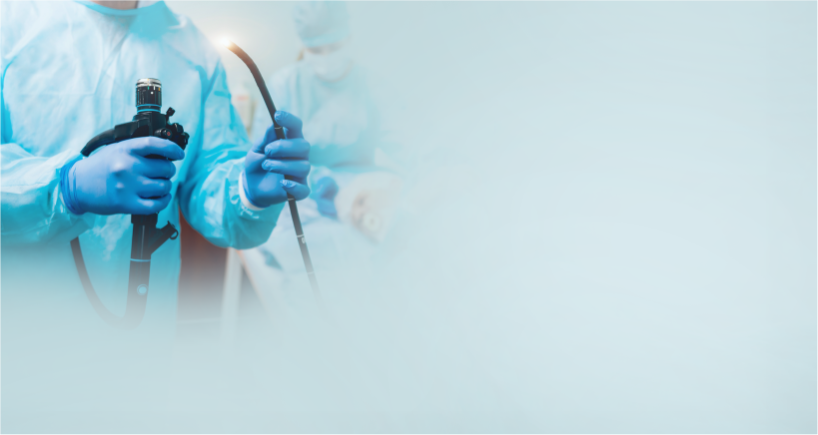


Endoscopy and Colonoscopy-Why These Tests Save Lives
Endoscopy and colonoscopy are life-saving diagnostic procedures. Learn how Fortis Hospital Okhla uses these tests to detect serious GI conditions early and why you should not delay.
Two of the most valuable tools in modern gastroenterology sit at the intersection of simplicity and life-saving impact: endoscopy and colonoscopy. Yet in India, many people still postpone or avoid these tests due to anxiety, lack of awareness, or the misconception that they are only necessary when something is already seriously wrong.
Here is what every patient needs to understand about why these tests matter.
What Is an Endoscopy?
An upper GI endoscopy (also called gastroscopy or OGD (Oesophago-Gastro-Duodenoscopy) involves passing a thin, flexible tube with a camera at its tip through the mouth, down the oesophagus, and into the stomach and upper small intestine.
This test allows the doctor to directly visualise the lining of your digestive tract in real time, detecting abnormalities that blood tests or imaging cannot reveal.
What Can Endoscopy Detect?
- Gastro-oesophageal reflux disease (GERD) and associated oesophageal damage
- Peptic ulcers in the stomach or duodenum
- Barrett's oesophagus — a precancerous condition
- Stomach cancer and oesophageal cancer at early, treatable stages
- Hiatus hernia
- Coeliac disease — through small biopsies taken during the procedure
- Causes of unexplained anaemia, difficulty swallowing, or persistent vomiting
Crucially, endoscopy is not just a diagnostic tool. During the same procedure, a gastroenterologist can treat conditions — for example, stopping active bleeding from a peptic ulcer, removing polyps, or dilating a narrowed oesophagus.
What Is a Colonoscopy?
A colonoscopy uses a similar flexible camera, introduced through the rectum to examine the entire length of the large intestine (colon). It is the most reliable method for detecting colorectal cancer — the third most common cancer in India — and its precursors.
During a colonoscopy, the doctor can:
- Identify and remove polyps before they have the chance to turn cancerous
- Diagnose inflammatory bowel disease (IBD), including Crohn's disease and ulcerative colitis
- Investigate chronic diarrhoea, rectal bleeding, or a change in bowel habits
- Detect colorectal cancer at an early, curable stage
The removal of a polyp during colonoscopy, a quick, painless procedure, can prevent cancer from ever developing. This is why colonoscopy is considered a genuinely cancer-preventive test, not just a diagnostic one.
Who Should Have These Tests?
Endoscopy is recommended if you experience:
- Persistent heartburn or acid reflux that does not respond to standard treatment
- Difficulty swallowing
- Recurring abdominal pain, nausea, or vomiting
- Unexplained weight loss
- Black or tarry stools, or blood in vomit
- Anaemia without an obvious cause
Colonoscopy is recommended if you experience:
- Rectal bleeding or blood in the stool
- A persistent change in bowel habits lasting more than four weeks
- Chronic abdominal cramping or bloating
- Unexplained weight loss
- A family history of colorectal cancer or polyps
- As a routine cancer screening from age 45 onwards (or earlier with risk factors)
What Is ERCP?
ERCP (endoscopic retrograde cholangiopancreatography) is a specialised endoscopic procedure that combines endoscopy with X-ray imaging to diagnose and treat problems in the bile ducts and pancreatic duct.
It is used to treat:
- Bile duct stones that cause pain or jaundice
- Narrowing of the bile duct
- Complications of gallstone disease
- Certain pancreatic conditions
Fortis Escorts Okhla offers ERCP (endoscopic retrograde cholangiopancreatography) in Delhi, performed by experienced interventional gastroenterologists with specialist training in advanced endoscopy.
Are These Procedures Painful?
Patient comfort is a priority at Fortis. Both endoscopy and colonoscopy are performed under conscious sedation or monitored anesthesia, meaning you are relaxed or lightly asleep throughout. Most patients report little or no discomfort during the procedure. Recovery is typically quick — many patients go home within a few hours.
The procedure itself usually takes between 15 and 30 minutes. For a colonoscopy, preparation involves a bowel cleanse the day before, which our team will guide you through in detail.
Why Timely Testing Matters
The difference between a polyp found at colonoscopy and colorectal cancer diagnosed two years later can be the difference between a five-minute outpatient procedure and major surgery, chemotherapy, and a significantly reduced survival rate. The same is true for upper GI cancers detected at endoscopy.
Many patients we see at Fortis Okhla Gastroenterology delayed these tests for years, sometimes out of fear, sometimes simply not realising they were eligible. When symptoms like indigestion, bloating, or changes in bowel habits are dismissed as 'just stress' for months or years, opportunities for early detection are lost.
If you are looking for an endoscopy specialist near you or a colonoscopy hospital in Delhi offering expert GI care, Fortis Escorts Hospital, Okhla, is equipped to provide timely, high-quality diagnostic and interventional endoscopy services.
Booking Your Procedure at Fortis Okhla
- Consultations available with experienced gastroenterologists and GI specialists
- State-of-the-art endoscopy suite with modern, high-definition camera systems
- Procedures performed under sedation for maximum patient comfort
- Convenient location for patients across South Delhi, Okhla, and the NCR
- Online appointment booking is available
Do not wait for symptoms to become severe. An endoscopy or colonoscopy today could detect a problem while it is still entirely treatable. Contact our gastroenterology team at Fortis Hospital, Okhla, to schedule your appointment.
Categories
Clear allMeet the doctor

- Gastroenterology and Hepatobiliary Sciences | Gastroenterology and Hepatobiliary Sciences
-
 33 Years
-
 2000
2000
Related Blogs
View all
When Is A Liver Transplant Recommended?
Alcoholic Liver Disease - Why Worry?
Binge Drinking Trend Is The New Silent Killer

Irritable Bowel Syndrome

Digestive Disorders And Prevention
FAQs

Keep track of your appointments, get updates & more!

