
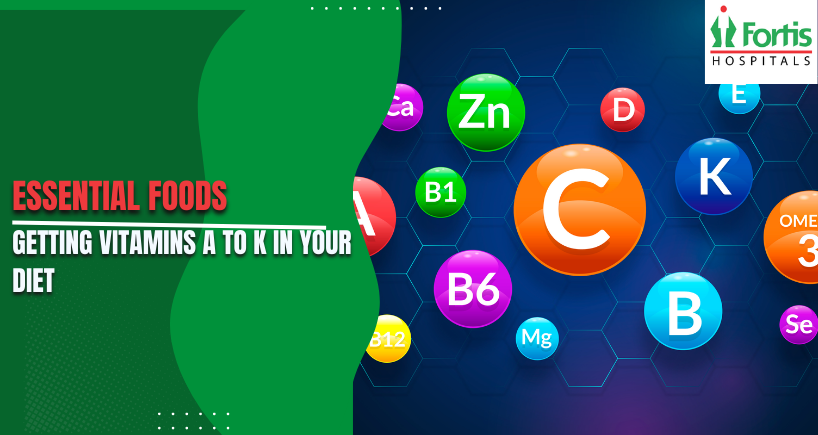


Essential Foods for Getting Vitamins A to K in Your Diet
Our bodies are intricate machines, constantly working to keep us healthy, energized, and functioning optimally. To perform this complex array of tasks, they rely on a steady supply of essential nutrients obtained from the food we eat. Among the most vital of these are vitamins, a diverse group of organic compounds that act as catalysts and building blocks for countless processes. From bolstering our immune system to keeping our bones strong and our vision sharp, vitamins A through K play indispensable roles.
Ensuring you get enough of these micronutrients might seem daunting, like trying to remember a complex alphabet soup. But the good news is that nature has packed these essential compounds into a wide variety of delicious and accessible foods. Focusing on a balanced, whole-foods diet is the simplest and most effective way to cover your bases. Let's explore the key vitamins and the essential vitamin A foods, vitamin E foods, and other sources you need.
The Alphabet of Wellness: Understanding Vitamins
Vitamins are broadly classified into two groups based on how they are absorbed and stored in your body: fat-soluble and water-soluble.
Fat-Soluble Vitamins (A, D, E, K): These vitamins dissolve in fat and require dietary fat for proper absorption. Your body can store excess amounts of these vitamins in your liver and fatty tissues for later use.
Water-Soluble Vitamins (B Vitamins and C): These dissolve in water and are absorbed directly into the bloodstream. Your body does not store large amounts of most water-soluble vitamins (with the exception of B12), excreting any excess through urine. This means they need to be replenished more regularly through your diet.
Fat Soluble Powerhouses A D E K
These four vitamins play critical roles in vision, bone health, immune function, and blood clotting.
Vitamin A: The Vision and Immunity Vitamin
What it does: Vitamin A is crucial for maintaining good vision, especially in low light. It also plays a vital role in immune function, reproduction, and cellular communication. It helps keep your skin and mucous membranes healthy.
Key Sources:
There are two forms. Preformed Vitamin A (retinol) is found in animal products. Provitamin A carotenoids (like beta-carotene) are found in plants and converted to Vitamin A in the body.
Top Vitamin A Rich Foods: Liver, fish oils, eggs, dairy products (milk, cheese).
Top Provitamin A Foods: Sweet potatoes, carrots, spinach, kale, cantaloupe, mangoes, bell peppers (especially red).
Vitamin D: The Sunshine Vitamin and Food Sources
What it does: Vitamin D is essential for calcium absorption, making it critical for building and maintaining strong bones. It also plays roles in immune function and inflammation modulation.
Key Sources: Your body produces most of its Vitamin D when your skin is exposed to sunlight. However, dietary sources are also important, especially for those with limited sun exposure.
Fatty fish (salmon, mackerel, herring), fish liver oils, fortified milk and cereals, egg yolks, some mushrooms (exposed to UV light).
Vitamin E: The Protective Antioxidant
What it does: Vitamin E acts as a powerful antioxidant, protecting your cells from damage caused by unstable molecules called free radicals. It also supports immune function and helps keep blood vessels healthy.
Key Sources: Vitamin E is found primarily in fatty plant foods.
Top Vitamin E Foods: Nuts (especially almonds, hazelnuts), seeds (sunflower seeds are excellent), wheat germ oil, vegetable oils (sunflower, safflower), spinach, broccoli. Many vitamin E and K sources overlap in leafy greens.
Vitamin K: The Clotting and Bone Vitamin
What it does: Vitamin K is essential for blood clotting – it helps make the proteins needed to stop bleeding. It also plays a key role in bone metabolism, helping to bind calcium in the bones.
Key Sources: Leafy green vegetables are the superstars here.
Top Vitamin K Sources: Kale, spinach, collard greens, Swiss chard, broccoli, Brussels sprouts. These often overlap as good foods with vitamin K and C. Other sources include soybean oil and canola oil. Fermented foods can also provide Vitamin K2.
Water Soluble Workhorses B Vitamins and C
This group needs more frequent replenishment and is vital for energy production, nerve function, and immunity.
The B Complex Family: Energy and More
This group consists of eight distinct vitamins, often working together to convert the food you eat into usable energy. They also support nerve function, red blood cell formation, and DNA synthesis.
Sources: B vitamins are found across many food groups. Whole grains (brown rice, oats, barley), meat, poultry, fish, eggs, dairy products, legumes (beans, lentils), seeds, nuts, and leafy green vegetables are all important sources. Specific mentions include:
Folate (B9): Crucial during pregnancy. Found in leafy greens, legumes, asparagus.
Vitamin B12: Found almost exclusively in animal products (meat, fish, dairy, eggs). Vegans and vegetarians often need fortified foods or supplements.
Vitamin C: The Immunity and Collagen Booster
What it does: Vitamin C is a powerful antioxidant, supports the immune system, and is essential for producing collagen, a protein vital for skin, blood vessels, bones, and wound healing. It also enhances the absorption of iron from plant foods.
Key Sources: Fruits and vegetables are the best sources.
Top Vitamin C Sources: Citrus fruits (oranges, grapefruits, lemons), berries (strawberries, raspberries), kiwi fruit, bell peppers (especially red and yellow), broccoli, tomatoes, spinach. Many leafy greens are good foods with vitamin K and C.
Eating the Rainbow for Complete Nutrition
Looking at these lists, a clear pattern emerges. The best way to ensure you are getting a wide spectrum of vitamins from A to K is to eat a varied and colorful diet. Each color group in fruits and vegetables often provides different key nutrients. "Eating the rainbow" is not just a catchy phrase; it is sound nutritional advice.
Focus on incorporating a wide variety of whole foods into your meals:
Fruits and Vegetables: Aim for multiple servings in various colors each day.
Whole Grains: Choose brown rice, quinoa, oats, and whole-wheat bread over refined grains.
Lean Proteins: Include fish, poultry, beans, lentils, nuts, seeds, and eggs.
Healthy Fats: Incorporate sources like avocados, nuts, seeds, and olive oil.
Dairy or Fortified Alternatives: Provide calcium and often Vitamin D.
A Balanced Plate Is Your Best Source
Vitamins are essential micronutrients that your body needs to thrive. While supplements have their place, the most effective and synergistic way to obtain these compounds is through a balanced, whole-foods diet.
Prioritize filling your plate with a diverse array of colorful fruits, vegetables, lean proteins, and whole grains. This approach ensures you are getting not just vitamins, but also minerals, fiber, and other beneficial compounds that work together for optimal health.
Frequently Asked Questions
Q1. Do I need to take a multivitamin supplement?
Ans. For most healthy adults who eat a varied and balanced diet, a multivitamin is often not necessary. However, certain groups may benefit, including pregnant women, older adults, vegans/vegetarians (for B12), and individuals with specific medical conditions or dietary restrictions. Always consult your doctor before starting any supplement.
Q2. Can cooking destroy vitamins in food?
Ans. Yes, some vitamins, particularly water-soluble ones like Vitamin C and some B vitamins, can be sensitive to heat and can be lost in cooking water. Steaming, roasting, stir-frying, or microwaving vegetables generally preserves more vitamins than boiling them for long periods.
Q3. What are the best Vitamin E foods for skin health?
Ans. While Vitamin E supports overall skin health through its antioxidant properties, excellent food sources include almonds, sunflower seeds, hazelnuts, spinach, and avocados. These vitamin E foods provide the nutrient internally, supporting cell protection.
Q4. Can I get enough Vitamin K if I don't eat many leafy greens?
Ans. Leafy green vegetables are by far the best dietary sources of Vitamin K1. While other vegetables (like broccoli, Brussels sprouts) and vegetable oils contribute, it can be challenging to meet your needs without regularly consuming greens. If you are on blood-thinning medication (like warfarin), it is crucial to maintain a consistent intake of Vitamin K and discuss your diet with your doctor.
Categories
Clear allRelated Blogs
View all
Single Incision Laparoscopic Surgery (SILS) for Hernia Repair


Understanding Gallbladder Stones: Causes, Symptoms, and Treatment Options
Understanding Hernia - Causes, Symptoms, and Treatment Options

Gallstone Complications: When to Seek Medical Attention

Common Myths and Misconceptions About Bariatric Surgery
Understanding Appendicitis: Causes, Symptoms, Risk Factors & Treatment
Understanding Varicose Veins: Causes, Symptoms, Risk Factors & Treatment Options



Keep track of your appointments, get updates & more!

