


Ewing Tumor Symptoms: When to See a doctor
Recognizing when your child's aches and pains need medical attention can feel challenging for any parent. Children frequently complain about bumps, bruises, and growing pains that resolve on their own within days. Most bone pain in kids comes from normal activities, minor injuries, or temporary growth spurts that require nothing more than rest. However, certain patterns of symptoms deserve closer evaluation because they might signal something more serious like ewing sarcoma developing.
Learning to distinguish between normal childhood complaints and warning signs requiring medical evaluation helps ensure serious conditions get diagnosed early. Ewing disease symptoms often start subtly and can mimic common childhood problems, which sometimes delays diagnosis. Understanding which symptoms warrant a doctor's visit and which patterns suggest urgent evaluation gives you confidence in making these important decisions. This knowledge empowers you to advocate effectively for your child's health when something doesn't seem right.
The Most Common Early Warning Signs
Pain in a specific bone represents the earliest and most frequent symptom families notice with ewings tumor. This discomfort typically affects one location consistently rather than moving around to different areas. Your child might describe the pain as deep and aching rather than sharp or stabbing. Initially, the pain may come and go, appearing worse at night or during physical activity before eventually becoming constant.
What makes this pain concerning is its persistence beyond the typical healing time for minor injuries. Most bumps and bruises feel better within one to two weeks as the body naturally repairs damage. When bone pain continues for three weeks or longer without improvement, medical evaluation becomes important. This timeline helps distinguish between normal injuries that heal appropriately and potential problems requiring investigation.
Swelling and Visible Changes in Affected Areas
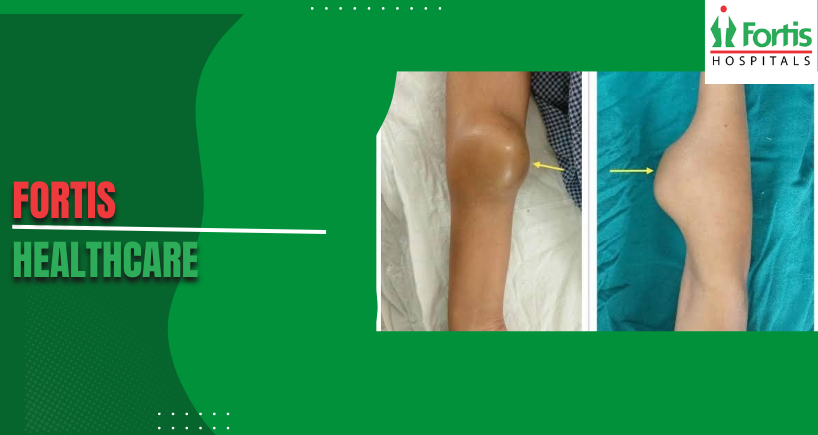
Noticeable swelling near the painful bone area develops as the tumor grows larger. This swelling might appear weeks or even months after pain first started, depending on tumor location and growth rate. The affected area often feels warm to touch and may look slightly red compared to surrounding skin. These changes happen because the tumor causes inflammation and increased blood flow to the region.
Parents sometimes notice the swelling before their child complains about pain, particularly with tumors in visible locations like arms or legs. A growing lump that doesn't resolve within a couple of weeks deserves medical attention. Your child's doctor can examine the area and determine whether imaging tests are needed to identify what's causing the swelling.
How Location Affects Symptom Presentation
Ewing sarcoma symptoms vary significantly based on where the tumor develops in the body. Leg bone tumors cause limping and difficulty walking as the child tries to avoid putting weight on the painful area. Arm tumors might make carrying backpacks or participating in sports uncomfortable. These functional limitations often prompt medical visits when pain alone might be dismissed as growing pains.
Tumors in the pelvis or chest wall present more subtle symptoms that can be harder to recognize. Pelvic tumors might cause back pain, difficulty urinating, or constipation as the growing mass presses on nearby structures. Chest wall tumors can affect breathing or cause pain when taking deep breaths. The Best Hospital in India provides comprehensive diagnostic services when symptoms suggest the possibility of bone tumors in challenging locations.
Systemic Symptoms That Accompany Local Changes
Sarcoma symptoms often include general signs of illness beyond the local bone problems. Unexplained fever that persists without an obvious infection source occurs in many children with Ewing sarcoma. These fevers typically don't respond normally to fever-reducing medications and may come and go unpredictably. When fever accompanies persistent bone pain, the combination warrants medical evaluation.
Fatigue and decreased energy levels affect most children with growing tumors, even before diagnosis. Your child might seem tired despite adequate sleep or lose interest in activities they previously enjoyed. Weight loss can occur when the body's energy gets directed toward fighting the growing tumor. These non-specific symptoms rarely occur alone but combined with bone pain should raise concern.
Fractures That Happen Too Easily
Bone weakening from tumor growth makes affected bones vulnerable to breaking with minor trauma. Your child might suffer a fracture from activity that normally wouldn't cause breaks, like throwing a ball or stepping off a curb. These pathologic fractures happen because the tumor has damaged the bone's normal structure. When a bone breaks from mild injury, doctors investigate the underlying cause rather than treating just the fracture.
Sometimes the fracture represents the first symptom that prompts medical attention. Your child may have had mild pain that went unnoticed until the bone suddenly broke. X-rays taken to evaluate the fracture reveal the tumor that weakened the bone. This pattern of presentation means some children receive their diagnosis in emergency departments after breaking a bone unexpectedly.
Distinguishing Cancer Symptoms From Growing Pains
True growing pains typically affect both legs simultaneously and occur in muscles rather than bones. This pain usually happens at night, doesn't cause limping during the day, and responds well to gentle massage or over-the-counter pain relievers. Growing pains also tend to come and go unpredictably rather than becoming progressively worse over time. These characteristics help differentiate benign growing pains from potential cancer symptoms.
Ewing sarcoma pain differs in several important ways from normal growing pains:
- Affects only one specific bone location consistently
- Causes visible swelling or warmth in the area
- Interferes with normal activities and function
- Progressively worsens over weeks and months
- Remains present during the day, not just at night
- Doesn't improve with rest or common pain medications
If your child's pain matches several of these patterns, scheduling a medical evaluation makes sense even if you're uncertain whether it represents something serious.
When to Schedule a Routine Doctor Visit
You should make an appointment with your child's pediatrician when bone pain persists for more than two to three weeks without improvement. This timeline allows time for minor injuries to heal while catching concerning symptoms early enough for timely diagnosis. Bringing your child in sooner is fine if symptoms seem severe or you feel worried about what's happening.
Document the symptom timeline before your appointment, including when pain started, what makes it better or worse, and any other changes you've noticed. This information helps your doctor assess whether the symptoms fit normal childhood patterns or warrant further investigation. Taking photos of any visible swelling provides visual documentation of changes over time.
Warning Signs Requiring Urgent Medical Attention
Certain symptom combinations suggest sarcoma cancer or other serious conditions requiring prompt evaluation. Seek medical care within a day or two if your child experiences:
- Severe bone pain that interferes with sleep or normal activities
- Rapidly growing lump or swelling in any body area
- High fevers combined with bone pain and swelling
- Sudden inability to walk or use an arm normally
- Bone that breaks from minor injury or normal activity
- Significant weight loss occurring over a few weeks
These warning signs don't automatically mean cancer, but they indicate something abnormal that needs professional evaluation quickly. Many conditions besides cancer can cause these symptoms, and early diagnosis improves outcomes regardless of the underlying cause.
What Happens During the Medical Evaluation
Your child's doctor will ask detailed questions about symptom timing, location, and progression. They'll perform a physical examination checking the painful area for swelling, warmth, tenderness, and range of motion limitations. If the examination reveals concerning findings, the next step typically involves ordering X-rays of the affected bone.
X-rays often show abnormalities when ewing disease is present, though additional imaging provides more detailed information. Your doctor might order MRI or CT scans to better visualize the bone and surrounding tissues. These advanced imaging studies help distinguish between different types of bone tumors, infections, or other conditions causing symptoms. Blood tests check for signs of infection or inflammation that might explain symptoms.
Following Up After Initial Evaluation
If initial tests don't reveal obvious problems but symptoms persist, continued monitoring becomes important. Your doctor might recommend repeating X-rays in a few weeks to see whether any changes develop over time. Some tumors don't show obvious signs on initial imaging but become more apparent as they grow. Maintaining open communication with your medical team ensures concerning changes don't get missed.
Ewing sarcoma symptoms can evolve over several months, sometimes making early diagnosis challenging. Trusting your parental instincts when something doesn't feel right helps catch problems that might otherwise be dismissed. Doctors appreciate parents who advocate for their children and bring concerning patterns to attention. This partnership between families and medical providers leads to better outcomes when serious conditions are present.
Categories
Clear allRelated Blogs
View all








Keep track of your appointments, get updates & more!

