


Exploring Tendonitis: Types, Symptoms, and Treatment Options
Our bodies are engineered for movement, a complex interplay of bones, muscles, and the vital connectors that make it all possible: the tendons. These strong, flexible cords work tirelessly behind the scenes, allowing us to walk, run, lift, and grip. But what happens when these crucial connectors become overworked and inflamed? The result is tendonitis, a common and often painful condition that can affect anyone from a professional athlete to an office worker.
Understanding this condition is the first step toward effective management and prevention. Tendonitis is not just a simple ache; it is a sign that a specific part of your body is under stress and needs attention. By recognizing the symptoms, identifying the different types, and exploring the available tendonitis treatment options, you can take control of the pain and get back to the activities you love.
Understanding the Role of Tendons
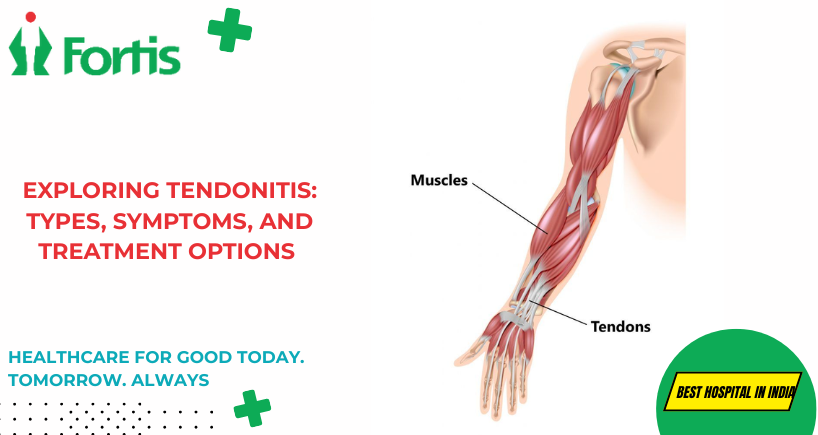
Before diving into the problem, it is essential to understand the anatomy. Tendons are tough, fibrous bands of connective tissue that attach your muscles to your bones. Every time you contract a muscle to move a part of your body, it is the tendon that pulls on the bone to create that movement. They are designed to withstand immense tension and act like durable ropes facilitating motion.
Tendonitis, as the "-itis" suffix suggests, is the inflammation of a tendon. This inflammation is most often caused by repetitive, minor impact on the affected area, or from a sudden, more serious injury. When a tendon is overused or strained, tiny tears can occur, leading the body to trigger an inflammatory response that results in pain, swelling, and tenderness.
Common Causes and Risk Factors
While a sudden injury can cause tendonitis, the most frequent culprit is the gradual wear and tear from overuse or repetitive motion. Certain activities and factors can increase your risk of developing the condition:
Repetitive Occupations: Jobs that require repetitive motions, awkward positions, or forceful exertion, such as carpentry, painting, or extensive typing.
Sports Activities: Many sports are associated with specific types of tendonitis due to their repetitive nature. Running can lead to Achilles tendinitis, while tennis is linked to elbow tendonitis.
Age: As people get older, their tendons become less flexible and more susceptible to injury.
Poor Technique or Posture: Using improper form during exercise or maintaining poor posture at a desk can put abnormal stress on your tendons.
Underlying Health Conditions: Diseases such as rheumatoid arthritis and diabetes can disrupt blood supply, weakening the tendons and making them more prone to inflammation.
Identifying the Different Types of Tendonitis
Tendonitis can develop in almost any tendon in the body, but it is most common in the areas around the shoulders, elbows, wrists, knees, and heels.
Achilles Tendinitis
This involves the inflammation of the Achilles tendon, which connects the calf muscles to the heel bone. It is one of the most common sports injuries, particularly for runners and athletes in sports that involve a lot of jumping. The pain is typically felt as an ache or stiffness at the back of the leg or above the heel. Effective Achilles tendonitis treatment often starts with rest and specific stretching exercises.
Rotator Cuff Tendinitis
Also known as swimmer's shoulder or pitcher's shoulder, rotator cuff tendinitis affects the tendons in the shoulder. It is common in people who perform a lot of overhead activities, such as swimmers, tennis players, and painters. The condition causes a dull, aching pain in the shoulder, which can worsen when you try to lift your arm or lie on the affected side.
Elbow Tendonitis
This is widely known by its more common names:
Tennis Elbow (Lateral Epicondylitis): Pain on the outer side of the elbow, caused by inflammation of the tendons that connect the forearm muscles to the elbow.
Golfer's Elbow (Medial Epicondylitis): Pain on the inner side of the elbow. Despite their names, these conditions affect anyone who repeatedly uses their wrists and forearms.
Peroneal Tendonitis
This condition affects the peroneal tendons, which run down the outside of the lower leg and ankle. It often occurs in runners or individuals with high arches and can cause pain and instability around the outside of the ankle. Peroneal tendonitis can be aggravated by running on uneven surfaces.
Trigger Thumb or Finger
Also known as stenosing tenosynovitis, this condition occurs when inflammation narrows the space within the sheath that surrounds the tendon in the affected finger or thumb. This can cause the finger to get stuck in a bent position and then snap straight, like a trigger being pulled. Trigger thumb is common in people whose work or hobbies require repetitive gripping actions.
Your Path to Recovery and Prevention
Recovery from tendonitis is achievable with a patient and structured approach. Listening to your body, seeking an early diagnosis, and adhering to your treatment plan are crucial for preventing acute pain from becoming a chronic issue.
A proactive mindset is your best defense against recurrence. Incorporating proper warm-ups, strengthening exercises, and ergonomic adjustments into your daily routine can keep your tendons healthy, allowing for a full and active lifestyle.
Frequently Asked Questions
Q1. How long does it take for tendonitis to heal?
Ans. The healing time for tendonitis varies significantly. Minor cases might resolve in two to four weeks with proper rest and care. However, chronic tendonitis can take several months to heal, especially if the aggravating activity is not stopped.
Q2. Is heat or ice better for tendonitis?
Ans. For the first 48 to 72 hours after an injury, ice is recommended to reduce inflammation and numb the pain. After this initial period, heat can be beneficial to increase blood flow to the area and relax tight muscles before stretching.
Q3. Can tendonitis go away on its own?
Ans. While mild cases might improve with rest, ignoring the symptoms can lead to worsening of the condition, development of chronic tendonitis, or even a tendon rupture. It is always best to treat the underlying cause.
Q4. What is the difference between tendonitis and arthritis?
Ans. Tendonitis is the inflammation of a tendon, which is the tissue that connects muscle to bone. Arthritis is the inflammation of a joint itself, affecting the cartilage and lining of the joint.
Q5. Should I wear a brace for tendonitis?
Ans. Wearing a brace for tendonitis can help reduce strain, support the tendon, and limit painful movement, but it should be combined with rest, therapy, and medical guidance.
Categories
Clear allRelated Blogs
View all










Keep track of your appointments, get updates & more!

