
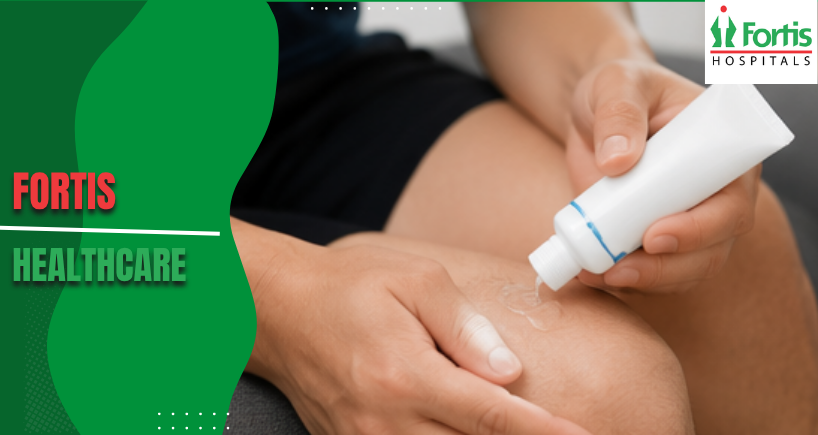


Fast-Acting Pain Relief Gels and Sprays for Everyday Muscle and Joint Pain
Muscle soreness after a workout. A stiff neck from sitting at a desk all day. Knee pain on the stairs. Shoulder ache after carrying a heavy bag. These are the kinds of everyday physical discomforts that most of us experience regularly — and increasingly, people are reaching for topical pain relief gels and sprays as their first response.
The appeal is obvious: apply directly to where it hurts, get relief fast, and avoid swallowing pills. But with a crowded market full of different active ingredients, formulations, and promises, it helps to understand how these products work so you can choose and use them effectively.
How Do Topical Pain Relief Gels and Sprays Work?
Unlike oral pain medications that work systemically (affecting the whole body), topical analgesics work locally — at the site of application. The active ingredients penetrate the skin and reach the underlying muscles, tendons, and joints, where they either block pain signals, reduce inflammation, produce a counter-irritant sensation, or improve local blood circulation.
Because the drug concentration at the target site is high while systemic absorption is low, topical pain relievers tend to have fewer side effects than oral NSAIDs (non-steroidal anti-inflammatory drugs) — an important consideration for people with gastrointestinal sensitivities or those who cannot tolerate regular oral pain medication.
Key Active Ingredients and How They Work
Diclofenac (NSAID — Anti-inflammatory)
Diclofenac gel (commonly available as Voveran, Voltaren, or Diclac) is one of the most well-researched and effective topical pain relievers available. As an NSAID, it works by inhibiting cyclooxygenase (COX) enzymes, which reduces the production of prostaglandins — the compounds responsible for pain and inflammation. Diclofenac gel is particularly effective for arthritis-related joint pain, sports injuries, and localized muscle pain. Studies show it provides comparable pain relief to oral diclofenac with significantly less gastrointestinal risk.
Methyl Salicylate and Menthol (Counter-Irritants)
This classic combination — found in products like Moov, Iodex, and Tiger Balm — works through counter-irritation. Methyl salicylate creates a warming sensation that overrides pain signals at the skin's sensory nerve endings. Menthol produces an initial cooling sensation followed by warmth, both of which act as distractions from deeper pain signals. These work best for minor muscle soreness, sports-related fatigue, and everyday aches.
Capsaicin (Derived from Chili Peppers)
Capsaicin works uniquely: it initially causes a burning sensation by activating TRPV1 pain receptors, then depletes substance P — a neurotransmitter involved in transmitting pain signals. With repeated application, it effectively reduces chronic pain. Capsaicin creams and gels are well-studied for osteoarthritis, neuropathic pain, and chronic musculoskeletal pain.
Piroxicam Gel
Another topical NSAID, piroxicam gel penetrates deeply into joint tissue and is particularly useful for rheumatoid and osteoarthritis pain. It provides longer duration of action compared to some other topical NSAIDs and is available by prescription in India (Dolonex Gel).
Lidocaine / Lignocaine (Local Anaesthetic)
Lidocaine-based gels and sprays work by temporarily blocking nerve signal conduction in the treated area, providing rapid numbing of superficial pain. They are commonly used for minor cuts, bruises, post-injection pain, and superficial musculoskeletal discomfort. They do not reduce inflammation but provide fast, targeted pain relief.
Gels vs. Sprays vs. Patches — Which to Choose?
Gels
Gels are the most common topical pain relief format. They allow you to massage the product into the affected area, which improves penetration and circulation. They are ideal for joints, muscles, and areas where you want targeted, controlled application. Gels dry quickly and are generally non-greasy.
Sprays
Sprays are convenient for hard-to-reach areas like the lower back, shoulders, or large muscle groups. They are also useful when the area is too tender to massage. The spray format provides even, widespread coverage. Many sprays contain methyl salicylate and menthol for rapid cooling and pain relief. However, they provide less precise dosing than gels.
Pain Relief Patches
Transdermal patches (like Volini patches or diclofenac patches) provide sustained, slow-release delivery of the active ingredient over 8–12 hours. They are ideal for chronic, persistent pain in a specific area — particularly knee pain, lower back pain, or shoulder pain — when you need all-day relief without repeated applications.
When to Use Topical Pain Relievers
- Acute muscle soreness or strain from exercise or physical activity
- Sports injuries — sprains, bruises, minor ligament strains
- Chronic arthritis pain in knees, fingers, or wrists
- Lower back and neck pain from posture or strain
- Post-exercise recovery to reduce delayed-onset muscle soreness (DOMS)
How to Apply Topical Pain Relief Correctly
- Clean and dry the skin before application.
- Apply to the area of pain — not just the surface skin above it.
- Massage gently for 1–2 minutes to improve penetration (for gels).
- Wash hands thoroughly after applying — especially with capsaicin products.
- Do not apply to broken skin, wounds, rashes, or near eyes and mucous membranes.
- Use only the recommended amount — more does not mean faster relief.
When Topical Relief Is Not Enough
Topical pain relief gels and sprays are excellent for mild to moderate localized pain, but they have limitations. Seek medical attention if your pain is severe, persists beyond 7–10 days, involves significant swelling or redness, follows a fall or accident, radiates down limbs, or is accompanied by fever. These symptoms may indicate underlying injuries or conditions that require proper diagnosis and treatment.
Conclusion
Fast-acting topical pain relief gels and sprays offer a practical, targeted, and relatively safe way to manage everyday muscle and joint pain. Understanding the active ingredients helps you match the right product to your specific type of pain — diclofenac for anti-inflammatory needs, menthol-methyl salicylate for quick soothing relief, capsaicin for chronic conditions. Use them correctly, respect their limitations, and combine them with rest, movement, and physiotherapy for best results.
Categories
Clear allMeet the doctor

- Support Specialties | General Physician
- Internal Medicine | Internal Medicine
-
 15 Years
-
 1150
1150
Related Blogs
View all








FAQs
Which is better for joint pain — gel or spray?
Gel is better for joints — massaging aids penetration; sprays suit large muscles or hard-to-reach areas.
Can I use pain relief gel every day?
Short-term daily use (7–10 days) is generally safe; prolonged daily use needs medical guidance.
Are topical pain gels safe for the elderly?
Yes — they are often safer than oral NSAIDs for older adults due to lower systemic absorption.
How quickly does pain relief gel work?
Most gels provide relief within 20–30 minutes; full effect typically within 1–2 hours.
Can pain gels be used during pregnancy?
Not without medical advice — many topical NSAIDs are not recommended during pregnancy.

Keep track of your appointments, get updates & more!

