
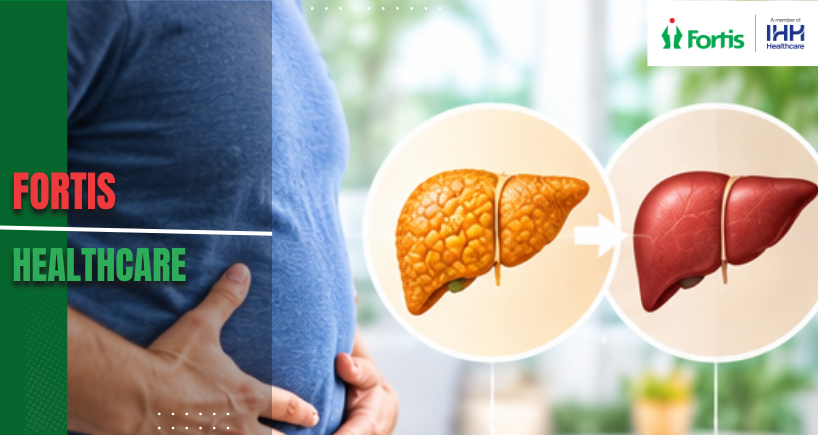


Fatty Liver and Diabetes - Understanding the Hidden Connection
Fatty liver disease and type 2 diabetes are often discussed separately, but growing medical evidence shows these two conditions are closely linked. In fact, having one significantly increases your risk of developing the other.
Understanding this hidden connection can help you take proactive steps toward better metabolic health, whether you're managing diabetes, fatty liver, or trying to prevent both.
What Is Fatty Liver Disease?
Fatty liver disease occurs when excess fat accumulates in liver cells. The most common form, non-alcoholic fatty liver disease (NAFLD), is not caused by alcohol consumption but by metabolic factors like obesity, insulin resistance, and poor diet.
If left unmanaged, fatty liver can progress to non-alcoholic steatohepatitis (NASH), causing liver inflammation, scarring, and eventually cirrhosis.
NAFLD has become one of the most common liver conditions worldwide, often diagnosed incidentally during routine ultrasounds or blood work performed for unrelated reasons.
How Are Fatty Liver and Diabetes Connected?
The link between fatty liver and diabetes centers around a common root cause: insulin resistance. When your body's cells become resistant to insulin, blood sugar levels rise, and the liver responds by storing excess sugar as fat.
Over time, this fat accumulation impairs liver function further, worsening insulin resistance and creating a harmful cycle. Studies show that up to 70% of people with type 2 diabetes also have some degree of fatty liver disease.
This two-way relationship means that poorly managed blood sugar can accelerate fatty liver progression, while worsening liver health can, in turn, make blood sugar harder to control.
Why This Connection Matters
People with both fatty liver and diabetes face a higher risk of cardiovascular disease, chronic kidney disease, and liver-related complications like cirrhosis and liver cancer compared to those with only one condition.
Because fatty liver often has no early symptoms, many people don't realize they have it until diabetes complications prompt further testing.
This makes routine screening especially valuable for diabetic patients, as catching fatty liver early allows for lifestyle intervention long before serious liver damage sets in.
Recognizing the Warning Signs
Fatty liver disease is often called a "silent" condition because it rarely causes symptoms in its early stages. However, as it progresses, you may experience fatigue, mild discomfort in the upper right abdomen, unexplained weight loss, or jaundice in advanced cases.
Since diabetes and fatty liver share similar risk factors, such as obesity and a sedentary lifestyle, doctors often recommend liver function tests for diabetic patients even without obvious symptoms.
By the time noticeable symptoms appear, the liver may already have sustained significant damage, which is why relying on symptoms alone to detect fatty liver disease is not a reliable strategy, and proactive screening remains the safer approach.
Who Is Most at Risk?
While anyone can develop fatty liver disease, certain groups face a notably higher risk. This includes people who are overweight or obese, those with type 2 diabetes or prediabetes, individuals with high cholesterol or triglycerides, and people with a sedentary lifestyle.
Family history also plays a role, as genetic factors can influence how the body stores and processes fat. People of South Asian descent, including many in India, tend to develop fatty liver and insulin resistance at a lower body mass index compared to Western populations, making awareness especially important.
Polycystic ovary syndrome (PCOS) and hypothyroidism are additional conditions linked to a higher risk of fatty liver, since both can contribute to insulin resistance, making screening especially relevant for women managing these conditions.
How Fatty Liver Is Diagnosed
Diagnosis typically involves blood tests to check liver enzyme levels, followed by imaging tests like ultrasound, FibroScan, or MRI to assess fat accumulation and liver stiffness. In some cases, a liver biopsy may be needed to determine the severity of damage.
Doctors may also calculate risk scores using routine blood parameters, such as the fatty liver index, to estimate the likelihood of significant liver fat without requiring more invasive testing right away, reserving biopsy for cases where the diagnosis remains unclear.
For diabetic patients, many endocrinologists now recommend periodic liver screening as part of standard diabetes management, even in the absence of symptoms, given how commonly the two conditions coexist.
Managing Both Conditions Together
The good news is that lifestyle changes that help manage diabetes often improve fatty liver disease as well, since both conditions share the same underlying drivers.
Gradual weight loss of 7–10% of body weight can significantly reduce liver fat. Following a balanced diet low in refined sugars and saturated fats, combined with regular physical activity, helps improve insulin sensitivity in both the liver and the rest of the body, and even modest, consistent changes tend to outperform aggressive short-term fixes.
Additionally, controlling blood sugar levels through prescribed medication, avoiding alcohol, and monitoring cholesterol levels are essential steps. Regular follow-ups with both your endocrinologist and hepatologist ensure both conditions are managed together rather than in isolation.
Certain diabetes medications have also shown liver-protective benefits in addition to their blood sugar-lowering effects, though the right choice depends on individual health factors and should always be decided with your doctor.
Prevention Is Key
If you have prediabetes or a family history of diabetes, early lifestyle intervention can prevent both fatty liver and diabetes from developing. Regular health checkups, including liver function tests and blood sugar monitoring, allow for early detection and timely management.
Simple, sustainable changes often matter more than drastic short-term diets. Swapping refined carbohydrates for whole grains, adding more fiber-rich vegetables, and staying physically active most days of the week can go a long way in protecting both your liver and your long-term metabolic health.
Ultimately, recognizing fatty liver and diabetes as interconnected conditions, rather than separate problems, allows for a more effective, unified approach to treatment and prevention.
Categories
Clear allMeet the doctor

- Gastroenterology and Hepatobiliary Sciences | Gastroenterology | Gastroenterology and Hepatobiliary Sciences
-
 6 Years
-
 1000
1000
Related Blogs
View all
When Is A Liver Transplant Recommended?
Alcoholic Liver Disease - Why Worry?

Binge Drinking Trend Is The New Silent Killer


Irritable Bowel Syndrome

Digestive Disorders And Prevention

Quick Enquiry Form
FAQs
Does fatty liver cause diabetes?
Fatty liver doesn't directly cause diabetes, but both share insulin resistance as a common root cause, increasing risk for each other.
What are the symptoms of fatty liver disease?
Early fatty liver often has no symptoms; later signs include fatigue, abdominal discomfort, and in advanced cases, jaundice.
Can fatty liver be reversed?
Yes, early-stage fatty liver can often be reversed through weight loss, diet changes, exercise, and better blood sugar control.
How is fatty liver diagnosed?
Diagnosis involves blood tests, liver ultrasound or FibroScan imaging, and sometimes a biopsy to assess severity.

Keep track of your appointments, get updates & more!

