
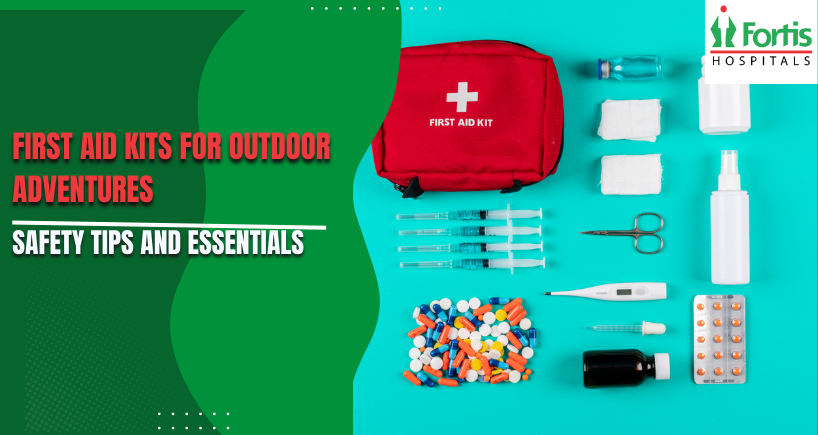


First Aid Kits for Outdoor Adventures: Safety Tips and Essentials
The pull of the great outdoors is a powerful one. It is a promise of fresh air, stunning vistas, and an escape from the rhythm of daily life. But the very nature of an outdoor adventure; the remoteness, the rugged terrain, and the unpredictable elements, carries inherent risks. A simple blister can become a debilitating injury, a minor cut can get infected, and a twisted ankle can become a serious logistical problem miles from the nearest road. This is where your preparation becomes your most important lifeline.
While we all hope for a safe and uneventful trip, hope is not a strategy. A well-stocked and well-understood First Aid Kit is arguably the single most important piece of gear you will carry. It is more than a box of bandages; it is a tool of self-reliance. But not all First Aid Kits are created equal. The kit you keep under your bathroom sink is designed for a world of convenience, where a pharmacy or clinic is just minutes away. A kit for outdoor adventures is built on a different premise: that you are on your own.
The "Essentials" in Your Outdoor First Aid Kit
Building one of the best First Aid Kits for outdoor adventures is about preparing for the most likely scenarios: wounds, blisters, sprains, and environmental hazards. Your kit should be comprehensive but also compact. Here is a checklist of the essentials, broken down by category.
1. Wound Care and Trauma Management
This is the core of any kit, designed to stop bleeding, clean wounds, and prevent infection.
Sterile Gauze Pads (Various Sizes): For covering larger scrapes and cuts.
Adhesive Bandages (Assorted Sizes): For minor cuts and scratches. Include knuckle and fingertip bandages.
Antiseptic Wipes or Solution: Individually wrapped alcohol or iodine (povidone-iodine) wipes are perfect for cleaning wounds and your hands.
Medical Tape: For securing gauze and bandages.
Butterfly Closures or Wound Closure Strips: For helping to close the edges of a deeper, cleaner cut.
Blister Treatment: This is a non-negotiable for any hiking or backpacking kit. Moleskin, athletic tape, or specialized blister pads (like Compeed) are essential.
Roller Gauze or Elastic Bandage (ACE Wrap): For wrapping sprains (ankle, wrist) or holding large dressings in place.
Triangular Bandage: Incredibly versatile. Can be used as a sling, a bandage, or a tourniquet in a dire emergency.
Nitrile Gloves: Always put these on before treating someone else's wound to protect both you and the victim from infection.
2. Medications
Your personal pharmacy needs to cover pain, inflammation, allergies, and stomach issues.
Pain Relievers/Fever Reducers: Acetaminophen (Tylenol) and/or Ibuprofen (Advil, Motrin). Ibuprofen is an anti-inflammatory, making it excellent for sprains and muscle soreness.
Antihistamines: For allergic reactions to pollen, bug bites, or poison ivy. Diphenhydramine (Benadryl) is effective but can cause drowsiness.
Antidiarrheal Medication: An intestinal issue in the backcountry can be dangerous due to dehydration.
Antacids: For indigestion.
Personal Medications: A non-negotiable. You must carry any personal prescription medications you need, such as an EpiPen for severe allergies or an asthma inhaler.
3. Tools and Supplies
These are the items that allow you to actually perform first aid.
Trauma Shears or Small Scissors: For cutting tape, gauze, or clothing away from a wound.
Fine-Pointed Tweezers: For removing splinters, thorns, and ticks.
Irrigation Syringe: For flushing a dirty wound with clean water to remove debris.
Safety Pins: For securing bandages or slings.
Hand Sanitizer: For cleaning your hands when water and soap are not available.
4. Environmental and Specialty Items
This is what truly makes it an outdoor kit.
Insect Sting Relief: Calamine lotion or a hydrocortisone cream for bug bites and stings.
Poison Ivy/Oak Treatment: A specialized soap (like Tecnu) or cleansing wipes can help remove the oils if you are exposed.
Emergency Blanket: A lightweight, reflective Mylar blanket is crucial for preventing hypothermia in an emergency.
Tick Key or Tick Remover Tool: A specialized tool is far safer and more effective for removing a tick than tweezers alone.
First Aid Kits Safety Tips & Essentials: Beyond the Gear
This is a critical part of your preparation. Having a kit and knowing how to use it are two different things. These First Aid Kits Safety Tips & Essentials will ensure your kit is a reliable tool, not just dead weight.
Tip 1: Get Trained
The most important component of any First Aid Kit is your knowledge. A box full of supplies is useless if you do not know how to treat a sprain, recognize the signs of shock, or properly clean a wound. At a minimum, take a basic First Aid and CPR course. For more serious outdoor adventurers, a Wilderness First Aid (WFA) course is the gold standard.
Tip 2: Check, Restock, and Refresh
Your kit is not a "one and done" item. At least twice a year (e.g., at the beginning of spring and fall), do a full inventory.
Restock: Replace any bandages, tape, or medications you used on your last trip.
Check Expiration Dates: Medications lose their potency, and adhesive bandages lose their stickiness. Throw out and replace anything that is expired.
Check Batteries: If your kit includes a headlamp or other electronics, check the batteries.
Tip 3: Scale Your Kit to the Adventure
Your First Aid Kits for outdoor adventures should be modular. The kit you take on a 3-mile day hike with your family is very different from the one you pack for a 7-day solo backpacking trip. A day-hike kit can be small and focused on blisters and cuts. A multi-day kit needs to be more robust, with more supplies and medications to handle a wider range of issues for a longer period.
Tip 4: Waterproof Everything
A wet first aid kit is a useless first aid kit. Soggy bandages will not stick, and paper-wrapped items will be ruined. At a minimum, use a high-quality, waterproof dry bag for your kit. For extra protection, you can separate items inside into smaller, sealed plastic bags.
Tip 5: Prioritize Accessibility
Do not bury your First Aid Kit at the bottom of your backpack to save space. An emergency requires immediate action. Your kit should be in a dedicated, easy-to-access pocket, and everyone in your group should know exactly where it is.
A Proactive Partnership in Your Safety
An adventure in the outdoors is a partnership between you and the environment. You agree to respect its power, and in return, you get to experience its beauty. Part of that respect is preparation. A comprehensive and well-maintained First Aid Kit is your testament to that preparation. It is the tool that gives you the confidence to push a little further, knowing that you are equipped to handle the unexpected and return home safely.
Frequently Asked Questions
Q1. Should I buy a pre-made first aid kit or build my own?
Ans. For most people, a pre-made kit is an excellent starting point. It ensures you have all the basics in a well-organized, compact container. The best strategy is to buy a quality pre-made kit and then personalize it. Add items you know you need, like specific blister treatments or extra medication, and remove any items you do not know how to use.
Q2. How often should I check the expiration dates in my kit?
Ans. A good rule of thumb is to do a full inventory check every six months. A great way to remember is to do it when you change your clocks for daylight saving time in the spring and fall. Always restock any items you use immediately after a trip.
Q3. What's the most common mistake people make with their outdoor first aid kits?
Ans. The most common mistake is "out of sight, out of mind." People buy a kit, toss it in their pack, and forget about it for years. When they finally need it, the medications have expired, the bandages have lost their adhesion, and the batteries in their headlamps are dead. A kit is only effective if it is actively maintained.
Q4. What is the difference between a regular First Aid course and a Wilderness First Aid course?
Ans. A standard First Aid course assumes that advanced medical help (an ambulance) is 5-10 minutes away. Its focus is on stabilization. A Wilderness First Aid (WFA) course assumes you are hours or even days away from help. It teaches you how to manage a patient's care for a prolonged period, how to deal with environmental hazards (like heatstroke or hypothermia), and how to improvise with the limited supplies you have.
Categories
Clear allRelated Blogs
View all
Witnessed An Accident? What To Do Before Medical Help Arrives

Fortis Emergency Services: When Saving Lives Is At Stake

The Emergency experience: Navigating the space between order and chaos

Understanding Heat Exhaustion vs. Heat Stroke: When to Seek Emergency Care

Beat the Heat: Preventing Heat Strokes and Recognizing Warning Signs


Keep track of your appointments, get updates & more!

