


Fixing the Heart from the Inside Out A Look at Interventional Cardiology Procedures
Heart conditions that affect the coronary arteries or heart valves may sometimes require procedures to restore blood flow or improve the way the heart functions. In the past, many complex cardiac conditions required open surgery, but advances in interventional cardiology have made it possible to treat several problems using minimally invasive, catheter-based techniques.
Interventional cardiology involves using thin tubes called catheters, which are introduced through a blood vessel and guided to the heart. Depending on the condition, these techniques can be used to open narrowed coronary arteries, place stents, treat certain valve problems, and manage some structural heart conditions.
These procedures generally involve smaller access points than open-heart surgery, although the appropriate treatment depends on the patient's diagnosis, anatomy, and overall health.
Understanding Interventional Cardiology
Interventional cardiology is a specialised branch of cardiology focused on diagnosing and treating cardiovascular conditions using catheter-based procedures.
Instead of making a large incision in the chest, an interventional cardiologist typically accesses the bloodstream through an artery, commonly in the wrist (radial artery) or groin (femoral artery).
The catheter is carefully guided through the blood vessels toward the heart. Doctors use real-time X-ray imaging, called fluoroscopy, to see the position of the catheter and other instruments during the procedure.
Many coronary interventions are performed using local anaesthesia, with additional medication to help the patient relax. The level of sedation depends on the procedure and individual circumstances.
Balloon Angioplasty: Opening a Narrowed Artery
One of the established procedures in interventional cardiology is percutaneous coronary intervention (PCI), which may involve balloon angioplasty.
Coronary artery disease can cause fatty deposits and other changes within the artery wall, leading to narrowing that reduces blood flow to the heart muscle.
During angioplasty, the cardiologist guides a catheter with a small balloon to the narrowed section of the coronary artery. Once correctly positioned, the balloon is inflated briefly to help widen the narrowed area.
Balloon angioplasty does not simply "crush" plaque and permanently remove it. The balloon applies pressure to the plaque and artery wall, helping enlarge the channel through which blood can flow. The exact effect depends on the characteristics of the blockage.
In many cases, angioplasty is combined with placement of a stent.
Understanding Coronary Stents
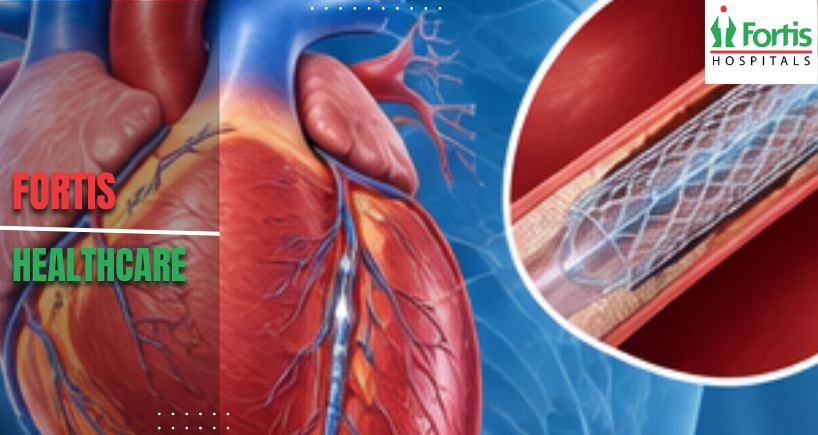
A coronary stent is a small mesh tube that is placed inside a narrowed coronary artery to help keep it open.
Modern coronary interventions commonly use drug-eluting stents. These stents release medication over time to reduce the likelihood of excessive tissue growth that could narrow the treated artery again.
However, a stent does not eliminate coronary artery disease. Patients may still have plaque in other parts of their coronary arteries and remain at risk of future cardiovascular events.
After stent placement, patients are usually prescribed antiplatelet medicines for a period determined by their cardiologist. Taking these medicines exactly as prescribed is particularly important because stopping them prematurely can increase the risk of stent thrombosis.
Long-term management may also include cholesterol-lowering treatment, blood pressure control, diabetes management, exercise, smoking cessation, and a heart-healthy diet.
Treating Heart Valve and Structural Conditions
Interventional cardiology is not limited to blocked coronary arteries. Catheter-based techniques are also used to treat selected structural heart conditions.
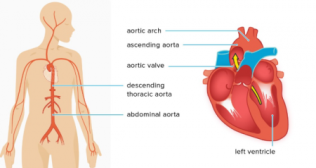
For example, certain patients with severe aortic valve disease may be considered for transcatheter aortic valve replacement (TAVR/TAVI). In this procedure, a replacement valve is delivered through a catheter and positioned within the diseased aortic valve.
Other catheter-based procedures can be used to treat selected patients with mitral or tricuspid valve disease, depending on the specific condition and anatomy.
Structural heart interventions can also address certain congenital heart defects. For example, selected atrial septal defects or other abnormal openings may be closed using catheter-delivered devices when appropriate.
Not every valve or structural heart problem can be treated through a catheter. Some patients still require conventional cardiac surgery, and the choice is made after detailed evaluation.
What Happens During an Interventional Procedure?
Before the procedure, the cardiology team reviews the patient's medical history, medications, blood tests, imaging, and other relevant investigations.
During the procedure, the patient is positioned in a catheterisation laboratory. The access site is cleaned and numbed with local anaesthetic. A small sheath may then be inserted into the blood vessel through which the catheter is introduced.
Using fluoroscopic imaging, the cardiologist guides the catheter to the required location.
Depending on the procedure, the team may:
- Perform coronary angiography to identify blockages
- Inflate a balloon to widen a narrowed artery
- Place a coronary stent
- Perform pressure or blood-flow measurements
- Deliver a replacement heart valve
- Close selected structural defects
- Use specialised devices to treat other cardiovascular conditions
The procedure can vary considerably in duration depending on its complexity.
Benefits and Limitations of Minimally Invasive Cardiac Procedures
One of the major advantages of catheter-based procedures is that they generally require a much smaller access site than open-heart surgery.
Depending on the procedure, patients may experience:
- Less surgical trauma
- A shorter hospital stay
- Faster initial recovery
- Less discomfort at the access site compared with a large surgical incision
However, minimally invasive does not mean risk-free.
Potential complications can include bleeding or bruising at the access site, blood-vessel injury, infection, abnormal heart rhythms, allergic reactions to contrast material, kidney-related complications, stroke, heart attack, or other procedure-specific risks.
The risk varies according to the procedure and the patient's overall health.
Choosing the Right Cardiac Care Centre
Complex interventional procedures require specialised equipment and an experienced multidisciplinary team.
When considering a Best Hospital in India for interventional cardiology, patients may evaluate:
- Experience of interventional cardiologists
- Availability of a modern catheterisation laboratory
- Emergency cardiac intervention services
- Cardiac imaging and diagnostic facilities
- Cardiac surgery backup when required
- Intensive care support
- Multidisciplinary structural heart teams
- Access to appropriate post-procedure monitoring
For patients with complex cardiovascular disease, having interventional cardiology and cardiac surgery teams working together can be particularly valuable when different treatment options need to be considered.
Recovery After an Interventional Procedure
Recovery depends on the procedure performed and the patient's overall health.
After coronary angioplasty or another catheter-based intervention, the medical team monitors the access site, blood pressure, heart rhythm, and other relevant parameters.
Patients may be advised to avoid strenuous activity for a period while the access site heals. The exact restrictions depend on whether the procedure was performed through the wrist or groin and on the nature of the intervention.
Walking and physical activity are generally encouraged gradually when medically appropriate. Patients should follow their cardiologist's specific instructions rather than assuming that increased activity is always beneficial immediately after a procedure.
Cardiac rehabilitation may also be recommended for appropriate patients, particularly after certain heart-related events or procedures.
Protecting Your Heart After Treatment
An angioplasty or stent treats a specific cardiovascular problem, but maintaining heart health remains a long-term commitment.
Patients may need to focus on:
- Taking prescribed medicines consistently
- Managing blood pressure and diabetes
- Controlling cholesterol
- Avoiding tobacco
- Maintaining a healthy body weight
- Following a balanced diet
- Staying physically active as advised
- Attending regular follow-up appointments
These measures help reduce cardiovascular risk and support the long-term benefits of treatment.
Final Thoughts
Interventional cardiology has transformed the treatment of many cardiovascular conditions by allowing doctors to reach the heart through blood vessels rather than relying on open surgery for every problem.
From coronary angioplasty and stent placement to selected valve and structural heart procedures, catheter-based treatments can provide effective options for appropriately selected patients.
However, the best procedure depends on the specific heart condition, severity of disease, anatomy, and overall health. A detailed evaluation by an experienced cardiac team is essential before deciding on treatment.
With appropriate intervention, medication, lifestyle changes, and follow-up care, patients can work towards better cardiovascular health while reducing the risk of future heart problems.
Categories
Clear allRelated Blogs
View all







FAQs

Keep track of your appointments, get updates & more!

