
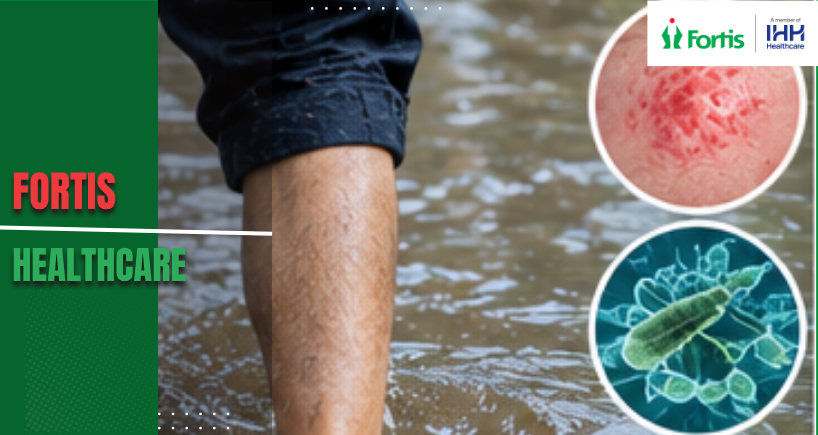


Floodwater Exposure in Bengaluru - Infections You Should Never Ignore
Wading through floodwater might seem like an unavoidable inconvenience during Bengaluru's monsoon season, but every moment of contact exposes you to serious infections. Floodwater isn't just dirty water—it's a dangerous mixture of sewage, industrial chemicals, and disease-causing organisms that can trigger severe health complications weeks after exposure.
Understanding which infections result from floodwater exposure and recognizing early warning signs could mean the difference between a minor inconvenience and a life-threatening illness.
Why Bengaluru Floodwater Is Particularly Dangerous
Bengaluru's floodwater combines multiple contamination sources creating a perfect storm for infections. The city's antiquated sewage infrastructure fails during heavy rainfall, mixing raw sewage with storm water. Industrial areas contribute chemical contaminants, hospitals add antibiotic-resistant bacteria, and streets accumulate years of accumulated pollutants.
This toxic mixture remains dangerous long after water recedes. Bacteria survive in mud, puddles, and moist environments for weeks. Contact with contaminated soil or water creates infection pathways through skin cuts, ingestion of contaminated food, or inhalation of contaminated aerosols.
Critical Infections from Bengaluru Floodwater Exposure
Leptospirosis: The Silent Killer
Leptospirosis is one of Bengaluru's most dangerous post-flood infections, yet remains widely overlooked. This bacterial infection spreads through contact with water contaminated by infected animal urine, particularly from rats abundant in flooded areas.
The disease causes:
- High fever (103-105°F)
- Severe headache
- Muscle aches
- Chills
- Pain behind the eyes
Without treatment within the first week, leptospirosis progresses to kidney failure, liver damage, and meningitis. Death rates increase significantly with delayed treatment.
Bengaluru residents working in fields, construction, or sanitation industries face elevated leptospirosis risk after floods.
Typhoid Fever: The Persistent Threat
Typhoid remains endemic in Bengaluru due to inadequate sewage treatment. Floodwater spreads Salmonella typhi bacteria rapidly through water and food supplies.
The disease causes:
- Sustained high fever lasting 3-4 weeks
- Severe headache
- Abdominal distension
- Characteristic rose-colored rash
Untreated typhoid causes intestinal perforation and death in 20% of cases. Even treated cases can develop chronic carrier status, spreading infection silently.
Hepatitis A: Liver Disease from Contaminated Water
Hepatitis A virus survives in contaminated water and persists in Bengaluru's sewage systems. Floodwater exposure causes viral hepatitis affecting the liver severely.
Symptoms include:
- Jaundice (yellow skin)
- Dark urine
- Pale stools
- Severe fatigue
- Right upper abdominal pain
While most patients recover completely, the illness lasts 4-6 weeks causing significant morbidity. Elderly residents and those with liver disease face complications.
Cholera: Rapid and Life-Threatening
Though less common than typhoid, cholera bacteria survive in Bengaluru's floodwater. The disease causes:
- Sudden onset watery diarrhea ("rice-water stools")
- Vomiting
- Severe dehydration
Without rapid rehydration, cholera causes death within hours through electrolyte imbalance and shock.
Coastal areas of Bengaluru surrounding water bodies face higher cholera risk during flooding.
Dysentery and Bacterial Gastroenteritis
Pathogenic bacteria including Shigella, Salmonella, and Campylobacter contaminate floodwater in Bengaluru. These organisms cause acute dysentery with:
- Bloody diarrhea
- Severe abdominal cramps
- Persistent fever
Secondary complications include toxic megacolon and intestinal perforation.
Wound and Skin Infections
Floodwater exposure creates high-risk pathways for serious skin infections. Even minor cuts become infected with aggressive bacteria resistant to common antibiotics.
Conditions include:
- Cellulitis causing spreading redness, warmth, and swelling requiring IV antibiotics.
- Abscesses form pus-filled collections requiring drainage and antibiotic treatment.
- Necrotizing fasciitis destroys tissue beneath skin layers, requiring emergency surgical intervention.
These infections progress rapidly, sometimes resulting in limb loss or death without immediate intervention.
Respiratory and Ear Infections
Floodwater exposure causes pneumonia when contaminated water enters airways. Inhalation of mold spores and bacteria triggers severe respiratory infections causing:
- Shortness of breath
- Chest pain
- Fever
Waterlogged ears develop severe external otitis (swimmer's ear) with pain, discharge, and hearing loss.
Tetanus: A Preventable Danger
Floodwater contaminated with tetanus bacteria enters through soil contact or cuts. While preventable through vaccination, unvaccinated Bengaluru residents face life-threatening risk.
Tetanus causes:
- Muscle rigidity
- Lockjaw
- Respiratory paralysis
Infection Pathways: How Floodwater Causes Disease
Direct Contact Through Open Wounds
Any cut, abrasion, or break in skin allows floodwater bacteria to enter bloodstream directly. Seemingly minor scratches become serious infections when exposed to contaminated water.
Ingestion of Contaminated Food and Water
Eating food prepared with floodwater or contaminated through contact causes infections. Hand-to-mouth contact transmits pathogens after wading through flooded areas.
Inhalation of Aerosol Particles
Wading through floodwater creates aerosol particles carrying bacteria and viruses. Inhalation causes respiratory infections and can introduce pathogens systemically.
Environmental Contamination
Persistent contamination in homes, offices, and public spaces continues exposing residents weeks after flooding subsides.
Symptoms Demanding Immediate Medical Attention
Seek emergency care immediately for:
- Fever above 103°F with severe headache and body aches
- Watery diarrhea with dehydration signs (dark urine, extreme thirst, dizziness)
- Jaundice (yellow skin or eyes) developing within weeks of floodwater exposure
- Spreading redness and swelling from wound sites
- Shortness of breath or chest pain
- Severe abdominal pain with blood in stool
- Muscle rigidity or difficulty swallowing (tetanus signs)
- Confusion or altered mental status
Don't delay seeking medical care assuming symptoms will pass. Post-flood infections deteriorate rapidly without treatment.
Prevention: Minimizing Floodwater Infection Risk
Avoid Floodwater Contact Entirely
The safest approach is complete avoidance. Don't wade through floodwater regardless of urgency.
If avoidance is impossible:
- Wear full protective gear including gloves, boots, waterproof clothing covering legs.
- Wash immediately with soap and clean water if contact occurs.
- Clean and disinfect any affected areas using bleach solution.
Food and Water Safety
- Boil drinking water for one minute before consumption.
- Discard food exposed to floodwater without exception.
- Maintain hand hygiene before eating or handling food.
Vaccination and Prevention
- Update tetanus vaccination if last dose was more than 10 years ago.
- Consider typhoid vaccination if you haven't received it recently.
- Hepatitis A vaccination provides long-term protection against viral hepatitis.
Medical Care Access in Bengaluru
Identify healthcare facilities offering post-flood infection treatment including:
- Major hospitals with infectious disease departments
- Urgent care centers for quick evaluation
- Telemedicine options when physical travel is difficult
- Ambulance services for emergencies
Why Ignoring Symptoms Is Dangerous
Many Bengaluru residents delay medical care, hoping mild fever or diarrhea will resolve independently. Post-flood infections rarely self-resolve.
Delays allow bacteria to multiply, causing:
- Sepsis (life-threatening bloodstream infection)
- Organ failure
- Chronic complications
- Death
Early medical intervention changes outcomes dramatically.
Long-Term Health Management
Post-flood infection recovery requires:
- Complete antibiotic courses even after symptom resolution
- Follow-up medical evaluation to confirm complete recovery
- Nutritional support for rebuilding strength after infection
- Monitoring for complications that develop weeks after acute illness
Conclusion: Take Floodwater Seriously
Bengaluru residents must understand that floodwater exposure isn't a minor health inconvenience—it's a serious medical risk. Every moment of contact carries infection potential that can threaten life and health.
Protect yourself by avoiding floodwater, maintaining strict hygiene, staying current with vaccinations, and seeking immediate medical care when symptoms appear. Your health is too valuable to risk for convenience during flood season.
Categories
Clear allMeet the doctor

- Gastroenterology and Hepatobiliary Sciences | Gastroenterology | Gastroenterology and Hepatobiliary Sciences
-
 5 Years
-
 1250
1250
Related Blogs
View all
When Is A Liver Transplant Recommended?
Alcoholic Liver Disease - Why Worry?

Binge Drinking Trend Is The New Silent Killer


Irritable Bowel Syndrome

Digestive Disorders And Prevention


FAQs
What's the most dangerous infection from Bengaluru floodwater exposure?
Leptospirosis is particularly dangerous as it's often misdiagnosed as common fever, progressing silently to kidney failure if untreated.
How quickly do floodwater infection symptoms appear after exposure?
Symptoms typically appear within 24-72 hours; leptospirosis takes 2-26 days, requiring extended monitoring after exposure.
Can infection occur from brief floodwater contact without visible cuts?
Yes, bacteria enter through microscopic skin breaks invisible to naked eye; even brief contact creates infection risk.
What antibiotic course treats most post-flood bacterial infections effectively?
Broad-spectrum antibiotics like fluoroquinolones or azithromycin treat most infections; culture testing guides specific antibiotic selection.

Keep track of your appointments, get updates & more!

