
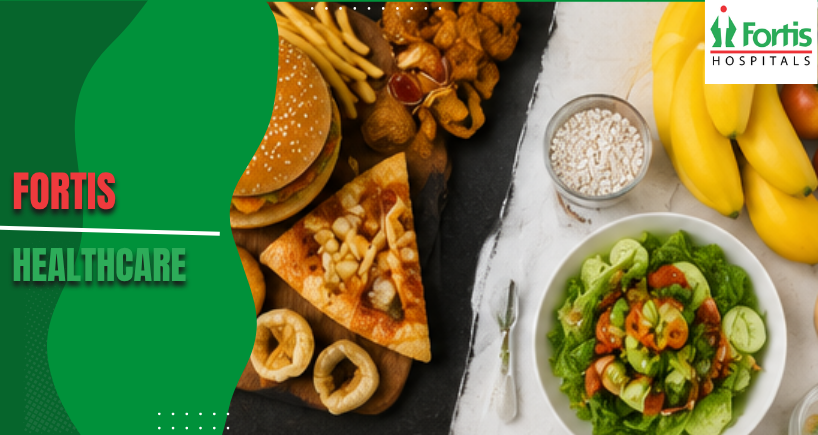


Foods That Can Worsen Piles Symptoms and What to Eat Instead
Piles — medically known as hemorrhoids — are one of the most common yet least discussed health conditions. Swollen veins in the rectum or anus can cause itching, pain, bleeding, and significant discomfort during bowel movements. While medical treatment is sometimes necessary, diet plays an absolutely central role in both triggering and relieving piles symptoms.
Understanding which foods aggravate piles — and which ones actively help — is the first and most important step toward managing this condition naturally.
Why Diet Matters So Much for Piles
The fundamental problem in piles is increased pressure on the veins of the lower rectum. This pressure builds when stool is hard, dry, or difficult to pass — causing straining during bowel movements. Straining is the primary mechanical driver of both developing and worsening hemorrhoids.
Diet directly determines stool consistency and bowel movement ease. A diet low in fiber and high in processed foods leads to constipation and straining. A diet rich in fiber and fluids leads to soft, bulky stools that pass with minimal effort.
Foods That Worsen Piles Symptoms
1. Spicy Foods
Spicy foods do not cause piles, but they can significantly worsen the burning and irritation during bowel movements. Compounds like capsaicin pass through the digestive system and can cause irritation in the anal area — dramatically increasing discomfort for those already experiencing hemorrhoids.
2. Alcohol
Alcohol is a diuretic — it increases urine production and leads to dehydration. Dehydration hardens stools and worsens constipation, directly aggravating piles. Additionally, alcohol can cause digestive inflammation, further irritating already sensitive hemorrhoidal tissue.
3. Refined and Processed Foods
White bread, white rice, pastries, fast food, and other heavily processed foods are stripped of their dietary fiber. A low-fiber diet is the leading dietary cause of constipation — and therefore a major contributor to straining and piles development and worsening.
4. Red Meat
Red meat is high in fat and very low in fiber, making it slow to digest. It sits in the colon for longer, drawing water out of the stool and making it harder and more difficult to pass. Frequent red meat consumption in the absence of adequate fiber is a clear dietary risk factor for piles complications.
5. Dairy Products in Excess
Large quantities of cheese, whole milk, and other dairy products can contribute to constipation in some people — particularly those with lactose sensitivity. While moderate dairy consumption is generally fine, excess amounts may slow gut transit time and worsen straining.
6. Caffeine (in excess)
Like alcohol, excess caffeine has a mild diuretic effect that can contribute to dehydration. However, moderate coffee or tea consumption does not significantly worsen piles for most people and may actually slightly stimulate bowel movements.
What to Eat Instead — Foods That Help Heal Piles
1. High-Fiber Vegetables
Vegetables like broccoli, spinach, carrots, sweet potatoes, and beans are rich in both soluble and insoluble fiber — the two types needed for healthy, comfortable bowel movements. Aim for at least 5 servings of vegetables per day when managing active piles symptoms.
2. Whole Grains
Switch from white rice and white bread to whole wheat roti, brown rice, oats, and barley. Whole grains retain their fiber-rich bran layer, which adds bulk to stool, softens it, and speeds up gut transit time — all of which reduce straining.
3. Fruits with High Fiber and Water Content
Papaya, pear, guava, banana (ripe), and prunes are particularly effective for easing constipation related to piles. Prunes contain sorbitol — a natural laxative — and are one of the most effective foods for softening stool. Eating 3–5 prunes daily can make a noticeable difference.
4. Water — At Least 2.5 Liters Daily
Fiber only works when there is adequate water in the digestive system to absorb it and create soft, bulky stool. Without sufficient hydration, high fiber intake can actually worsen constipation. Drink at least 8–10 glasses of water per day — more if you are active or in a hot climate.
5. Legumes and Lentils
Dal, rajma, chickpeas, and other legumes are excellent sources of both protein and fiber. A single serving of lentils provides nearly 8g of dietary fiber. Including dal in at least one meal daily is a practical and culturally familiar way to significantly boost fiber intake.
6. Buttermilk (Chaas)
Cold, diluted buttermilk with a pinch of rock salt and cumin is a traditional Indian remedy for digestive discomfort and piles. Its probiotic content supports gut microbiome health, and its cooling properties soothe internal irritation.
Additional Lifestyle Tips for Piles Management
- Never ignore the urge to use the bathroom — delaying increases stool water reabsorption and hardening.
- Avoid sitting on the toilet for extended periods or using your phone while on the toilet.
- Use a squatting position if possible — it reduces anorectal angle and eases stool passage.
- Take warm sitz baths (sitting in warm water) for 10–15 minutes to soothe pain and reduce swelling.
- Avoid strenuous lifting, which increases intra-abdominal pressure.
Conclusion
Diet is your most powerful tool in managing piles. By eliminating trigger foods like spicy dishes, alcohol, processed foods, and red meat — and replacing them with fiber-rich vegetables, whole grains, fruits, and plenty of water — you can dramatically reduce straining, soften stools, and ease the pain and discomfort of hemorrhoids. Start with small, sustainable changes and give your body 2–4 weeks to respond. For severe or persistent symptoms, always consult a gastroenterologist or colorectal specialist.
Categories
Clear allMeet the doctor

- Support Specialties | General Physician
- Internal Medicine | Internal Medicine
-
 15 Years
-
 1150
1150
Related Blogs
View all







FAQs

Keep track of your appointments, get updates & more!

