
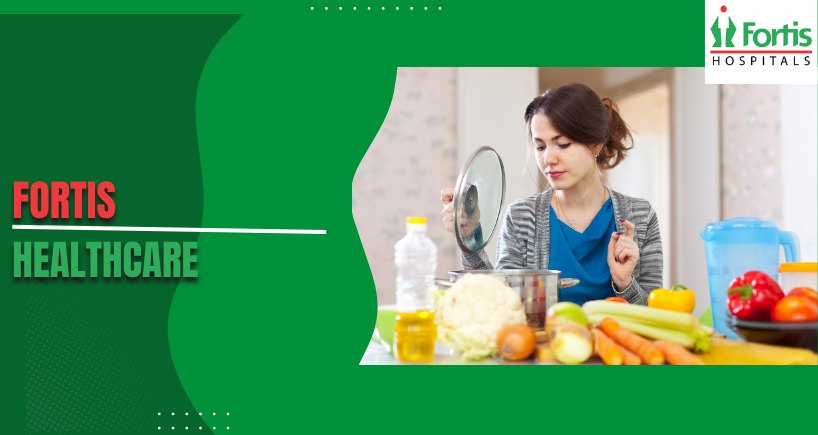


Foods, Habits & Small Lifestyle Tweaks That Support Recovery From Any Lymphoma Type
Recovery from lymphoma involves more than just medical treatment through chemotherapy, radiation, or targeted therapies alone. What people eat, how they move their bodies, and small daily habits significantly influence how well they tolerate treatment and recover afterward. These lifestyle factors do not replace medical care but support the body through demanding treatment periods and recovery phases that follow.
Many patients feel overwhelmed by conflicting advice about diet, exercise, and lifestyle changes during cancer treatment and recovery periods. Understanding which adjustments actually help versus which make little practical difference allows people to focus energy on changes that genuinely support healing and overall wellbeing.
Protein Intake Becomes More Important Than Ever
The body needs significantly more protein during non hodgkin's lymphoma treatments because chemotherapy damages fast-growing cells throughout the entire body system. Protein helps repair this damage, maintain muscle mass that often decreases during treatment, and support immune function needed to fight infections. Most adults need at least sixty to eighty grams of protein daily during active treatment periods.
Good protein sources include eggs, chicken, fish, dairy products, beans, lentils, and nuts that provide complete amino acids the body requires. Spreading protein intake across all meals and snacks throughout the day works better than consuming large amounts in just one meal. Protein shakes or supplements can help when appetite decreases or eating feels difficult during treatment cycles.
Hydration Matters More Than Most People Realise
Drinking enough water helps flush chemotherapy drugs through the system, reduces side effects like constipation and mouth sores, and prevents dehydration that worsens fatigue significantly. People undergoing NHL treatment should aim for eight to ten glasses of water daily, though individual needs vary based on treatment type and side effects experienced.
Signs of inadequate hydration include dark yellow urine, dry mouth, dizziness when standing up, and increased fatigue beyond normal treatment tiredness. Adding slices of lemon, cucumber, or berries to water makes it more appealing when plain water feels unappealing during treatment. Herbal teas, clear broths, and water-rich fruits like watermelon also contribute to daily fluid intake effectively.
Some Foods Need Avoiding During Treatment Periods
Raw or undercooked foods carry infection risks that matter more when non hodgkin's disease treatments suppress immune function temporarily during chemotherapy cycles. Uncooked eggs, rare meat, unpasteurised dairy products, and raw fish should be avoided until blood counts recover to safe levels. Fresh produce needs thorough washing under running water before eating to remove potential bacteria.
Grapefruit and grapefruit juice interfere with how the body processes many medications, including some chemotherapy drugs and supportive medications used during treatment. Alcohol can interact with treatment drugs, increase liver stress, and worsen side effects like nausea and fatigue. Checking with oncologists about specific food restrictions based on individual treatment plans prevents problems from unexpected food-drug interactions.
Physical Activity Supports Recovery Even During Treatment
Many people assume bed rest represents the best approach during cancer treatment, but moderate physical activity actually reduces fatigue and improves outcomes. Walking for fifteen to twenty minutes daily helps maintain muscle strength, improves mood through endorphin release, and supports cardiovascular health during treatment periods when activity levels naturally decrease.
The key involves matching activity intensity to current energy levels rather than pushing through exhaustion or completely stopping all movement. Some days might allow thirty-minute walks, while other days manage only five minutes of gentle stretching. Any movement counts as beneficial, and consistency matters more than intensity when building sustainable activity habits during recovery.
Sleep Quality Affects Treatment Tolerance and Recovery Speed
Getting adequate high-quality sleep helps the body repair damage from non hodgkin's lymphoma treatments and supports immune function needed for recovery. Most adults need seven to nine hours nightly, though treatment fatigue might require additional rest during the day. Creating consistent sleep schedules helps regulate the body's natural rhythms even when treatment disrupts normal patterns.
Making bedrooms cool, dark, and quiet improves sleep quality significantly for most people struggling with treatment-related sleep disruptions. Avoiding screens for an hour before bedtime reduces blue light exposure that interferes with natural melatonin production. Short daytime naps of twenty to thirty minutes can help manage fatigue without disrupting nighttime sleep patterns.
Managing Stress Supports Overall Treatment Outcomes
Chronic stress elevates cortisol levels that can interfere with immune function and slow healing processes throughout recovery periods. Finding effective stress management approaches that fit individual preferences helps people cope with the emotional challenges that accompany cancer diagnosis and treatment. Different approaches work for different people, from meditation and deep breathing to creative activities or spending time outdoors.
Support groups connect people facing similar challenges and reduce the isolation that often accompanies serious illness and treatment periods. Talking with counsellors or therapists trained in cancer support helps process difficult emotions and develop coping strategies for treatment challenges. Even ten minutes daily of intentional stress reduction activities creates measurable benefits for mental and physical health.
Infection Prevention Protects Health During Vulnerable Periods
Hodgkin's and non Hodgkin's lymphoma treatments temporarily reduce white blood cell counts that normally fight infections effectively throughout the body. Frequent handwashing with soap and water for at least twenty seconds prevents most common infections during these vulnerable periods. Using alcohol-based hand sanitiser when soap and water are not available provides acceptable alternative protection.
Avoiding crowds and people with obvious illnesses during low blood count periods reduces infection exposure when immune systems cannot respond normally. Dental care needs special attention because mouth infections can become serious during treatment, so maintaining good oral hygiene and seeing dentists before treatment starts prevents problems. Calling doctors immediately when fever develops during treatment allows prompt antibiotic treatment if needed.
Small Daily Habits Create Meaningful Cumulative Benefits
Taking medications exactly as prescribed maintains consistent blood levels that optimise treatment effectiveness and minimise side effects throughout recovery. Setting phone alarms or using pill organisers helps track multiple medications and supplements taken at different times daily. Writing down questions as they arise between appointments ensures important concerns get addressed during medical visits.
Keeping symptom journals helps identify patterns in side effects, energy levels, and overall wellbeing that assist doctors in adjusting treatments appropriately. Recording what foods are tolerated well versus poorly during different treatment phases helps plan meals that support nutrition without triggering nausea. These small organisational habits reduce stress and improve communication with medical teams throughout treatment journeys.
Nutritional Supplements Require Medical Team Approval First
Many people assume vitamins and herbal supplements automatically help during cancer treatment, but some actually interfere with how chemotherapy drugs work. Antioxidant supplements taken during radiation or chemotherapy might protect cancer cells from treatment damage along with protecting healthy cells. Some herbs interact with medications or increase bleeding risk during procedures.
Discussing any supplements with oncologists before starting them prevents potentially dangerous interactions that could reduce treatment effectiveness. Blood tests might reveal specific deficiencies like vitamin D or B12 that benefit from targeted supplementation under medical supervision. Working with registered dietitians who specialise in oncology nutrition provides evidence-based guidance rather than following unverified internet advice.
The Reality About Different Lymphoma Types and Lifestyle Needs
The various types of NHL and other lymphoma classifications do not require dramatically different lifestyle approaches during treatment and recovery periods. Whether someone has non lymphatic hodgkin's disease or another specific subtype, the fundamental principles of good nutrition, adequate rest, appropriate activity, and infection prevention apply similarly across different diagnoses. Individual treatment side effects matter more than specific disease subtypes when adjusting daily habits.
Some treatments cause more severe nausea requiring different food strategies, while others primarily cause fatigue needing different activity adjustments. Personalising lifestyle modifications to individual symptoms and treatment responses works better than following generic cancer diet plans that ignore individual circumstances and preferences.
Building Sustainable Habits That Continue After Treatment
Recovery from lymphoma continues long after active treatment ends, with lifestyle habits established during treatment often benefiting long-term health significantly. Maintaining adequate protein intake, regular physical activity, good sleep habits, and stress management supports overall health beyond cancer recovery alone. These habits reduce risks for other health conditions and improve quality of life regardless of cancer history.
Gradual transitions back to normal activities work better than expecting immediate return to pre-diagnosis energy levels and capabilities after treatment completion. Setting realistic expectations and celebrating small improvements helps maintain motivation during extended recovery periods that might take months or years. The goal involves building sustainable healthy habits rather than following rigid rules that feel impossible to maintain long-term.
Categories
Clear allRelated Blogs
View all







Keep track of your appointments, get updates & more!

