
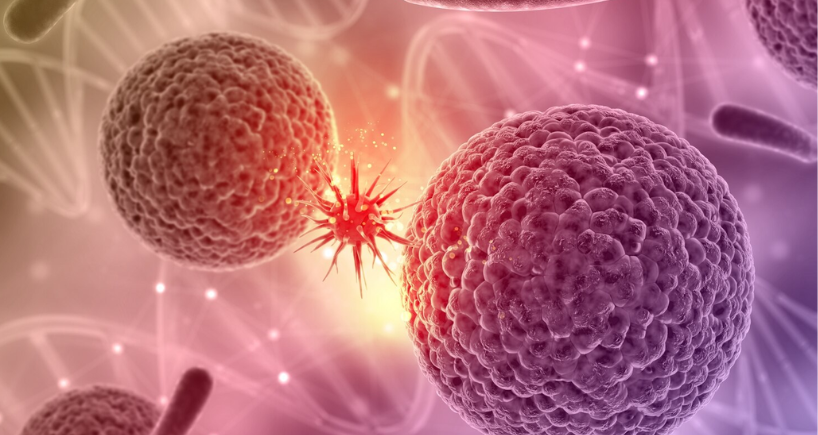


Fuel Your Fight: 5 Cancer-Fighting Superfoods You Should Add to Your Diet
Cancer is when some cells in the body start growing uncontrollably and can move to other areas, affecting the person’s health. Cancer can arise in almost any part of the human body. Generally, human cells grow and then divide (the process is called cell division) to form new cells as the body needs them. Eventually, when cells grow older or are damaged, they die, and new cells take their place.
Sometimes, this well-ordered sequence is interrupted by the abnormal or damaged cells that start growing and multiplying when they are not supposed to. These cells can form masses of tissue, which are known as tumours. The tumours can either be cancerous or non-cancerous (benign) type.
How to destroy cancer cells naturally?
Let’s take a look at how to kill cancer cells naturally. An anti-cancer diet means foods that kill cancer cells. Consuming such foods is a vital strategy that can complement treatment, helping to enhance the chances of successfully fighting and eliminating cancer.
Research indicates that prioritising plant-based foods such as whole grains, vegetables, fruits and legumes can greatly lower the risk of cancer and enhance overall health. These foods are abundant in fibre, essential nutrients and natural compounds known as phytochemicals, all of which may contribute to cancer prevention.
Cancer fighting foods
Following are the top 5 cancer fighting foods that cure cancer that can be included in your diet:
- Cruciferous vegetables: Like broccoli, cabbage and radish are nutrient-rich, containing carotenoids, vitamins, fibre and glucosinolates, which give them their distinct smell and bitter taste.
- Green leafy vegetables, rich in chlorophyll, antioxidants and folate, offer cancer protection. Spinach, in particular, has been shown to inhibit cancer cell growth and suppress tumours in studies.
- Garlic (Allium sativum): It has long been valued for its medicinal and dietary benefits. Known for its anti-cancer properties, garlic contains bioactive compounds like allicin and diallyl trisulfide, which help fight cancer. Its multitarget effects and low toxicity make it a powerful ally in cancer prevention.
- Tomatoes: These are rich in lycopene, a carotenoid linked to reducing the risk of prostate, lung and stomach cancers. This powerful antioxidant also supports heart health by lowering LDL cholesterol and blood pressure. Pairing tomatoes with healthy fats enhances lycopene absorption, boosting its cancer-fighting benefits.
- Berries: These are rich in vitamins, minerals, fibre and antioxidants and offer strong anti-cancer properties. Blackberries, in particular, contain anthocyanins, which help prevent the development of cancer cells and inhibit tumour blood vessel growth, reducing the risk of skin, oesophageal, oral and colon cancers.
Other cancer fighting foods are as follows:
- Carrots: Research has shown that eating carrots reduces the risk of lung cancer, stomach cancer and prostate cancer.
- Beans: These are rich in fibres. Intake of beans lowers the risk of colorectal tumours and colon cancer.
- Cinnamon: Research suggests that cinnamon extract may have anti-cancer properties, helping to reduce tumour growth and prevent its spread.
- Nuts and olive oil: Increased intake of walnuts and olive oil may reduce the risk of certain types of cancer.
- Turmeric: Turmeric contains curcumin, a compound that has been shown in human studies to help reduce the growth of various types of cancer and lesions.
- Citrus Fruits: Intake of citrus fruits like oranges reduces the risk of developing pancreatic and stomach cancers.
Can cancer be cured with diet?
While no food can cure cancer or kill cancer cells, if you are living with it, eating a healthy diet can still offer important benefits. It can help your body heal and recover from treatment, strengthen your immune system and protect your healthy cells from environmental damage.
Conclusion
If you are living with cancer, your healthcare provider can guide you in choosing the best eating habits for your specific condition. They will also discuss how your diet might impact your treatment and overall health. Being flexible with what and how much you eat can help manage treatment side effects. While focusing on nutritious foods is key, it is equally important to ensure you are getting enough to prevent malnutrition during your cancer journey.
Categories
Clear allRelated Blogs
View all





Keep track of your appointments, get updates & more!

