
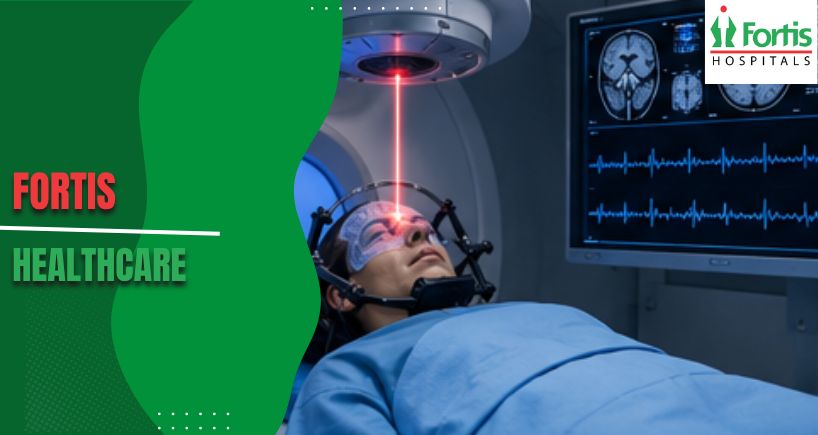


Gamma Ray Surgery for Epilepsy Emerging Research in Radiosurgical Seizure Control
Medication-resistant epilepsy affects approximately 30 percent of patients despite trying multiple antiseizure drugs in various combinations. Uncontrolled seizures severely impact employment, driving privileges, independence, and overall quality of life. Traditional brain surgery removes seizure-generating tissue but requires skull opening and carries risks including bleeding, infection, and neurological deficits.
Stereotactic radiosurgery offers a non-invasive alternative using focused radiation beams to modify epileptic brain circuits. Gamma knife surgery in India provides this technology for carefully selected patients whose seizure focuses occupy small, well-defined brain regions. Understanding current research and treatment outcomes helps patients explore options when medications fail to control seizures adequately.
Understanding Epilepsy Surgery Candidacy
Seizures originating from specific brain locations prove most suitable for any surgical intervention including radiosurgery. Video-electroencephalography monitoring captures seizure events whilst recording brain electrical activity simultaneously. This testing identifies precise seizure origin points guiding treatment targeting decisions.
Neuropsychological testing maps cognitive functions to brain regions ensuring treatments avoid areas controlling speech, memory, or other critical abilities. MRI scanning detects structural abnormalities like cavernous malformations, cortical dysplasias, or mesial temporal sclerosis causing seizure activity. Patients experiencing multiple seizure types from different brain locations rarely qualify for focal treatments.
Deciding whether radiosurgery suits an individual patient requires a multidisciplinary review rather than a single-consult decision. Epileptologists, neurosurgeons, neuropsychologists and neuroradiologists compare video-EEG, structural and functional imaging, and cognitive mapping to judge both seizure focus accessibility and the likely cognitive trade offs of radiation to nearby tissue. Randomised and prospective studies underline that patient selection, dose and target volume drive outcome differences between radiosurgery and open resection.
How Radiation Affects Seizure Circuits
The gamma knife surgery procedure delivers focused cobalt radiation to targeted brain tissue without cutting or removing structures. Radiation effects develop gradually over months as treated tissue undergoes molecular changes. Blood vessel proliferation decreases whilst gliosis forms, disrupting abnormal electrical networks generating seizures.
Unlike tumour treatments aiming to destroy tissue completely, epilepsy radiosurgery seeks functional modification rather than structural elimination. Lower radiation doses than tumour protocols reduce complication risks whilst achieving seizure control. Treatment effects continue evolving for two years after radiation delivery, with maximum benefit typically occurring at 12 to 18 months.
Patients and families must weigh seizure reduction against possible late cognitive effects when the hippocampus or adjacent temporal structures are targeted. Prospective series report that radiosurgery often preserves broader neuropsychological function better than resection for selected patients, but some individuals still experience memory decline or transient radiogenic edema requiring steroids. Careful neuropsychological baselining before treatment and long term testing afterwards clarifies risk and documents change.
Mesial Temporal Lobe Epilepsy Treatment
This common epilepsy syndrome originates from hippocampus and amygdala structures deep within the temporal lobe. Traditional surgery removes these areas through temporal lobectomy procedures requiring skull opening. Radiosurgery targets identical structures without incisions by delivering radiation through multiple beam angles.
Studies show approximately 50 to 70 percent of temporal lobe epilepsy patients achieve significant seizure reduction after stereotactic radiosurgery. Complete seizure freedom occurs in 30 to 50 percent, which compares favourably with surgical outcomes. The Best Hospital in India maintains comprehensive epilepsy programmes offering both traditional surgical and radiosurgical treatment options for appropriate candidates.
Hypothalamic Hamartoma Management
These rare benign tumours cause gelastic seizures characterised by inappropriate laughter beginning in early childhood. Cognitive and behavioural problems accompany seizures in many affected children. Traditional surgical removal proves technically challenging because tumour location near critical structures increases complication risks substantially.
Radiosurgery achieves seizure control in 40 to 60 percent of patients whilst avoiding surgical risks. Treatment effects develop slowly, requiring continued antiseizure medications during the lag period. Some patients require repeat treatments if initial radiation doses prove insufficient for complete seizure control.
For specific indications such as hypothalamic hamartomas or small cavernous malformations, radiosurgery provides an attractive balance of safety and efficacy, especially in children or in deep lesions where open surgery risks are high. Large series and meta-analyses show meaningful seizure control in a majority of treated patients, though effects develop over months to years and require continued clinical surveillance during the latency window. Multidisciplinary paediatric teams manage dosing and endocrine surveillance carefully in younger patients.
Cavernous Malformation Treatment
Brain vascular malformations sometimes trigger seizures through blood leakage into surrounding tissues. Surgical removal eliminates seizure focus whilst preventing future bleeding episodes. However, deep-seated malformations in eloquent cortex make traditional surgery risky.
Stereotactic radiosurgery obliterates abnormal blood vessels over two to three years following treatment. Seizure control often improves before complete malformation obliteration occurs. Bleeding risks persist until vessels fully close, requiring continued monitoring throughout treatment effect development.
Treatment Planning and Delivery
Detailed brain MRI scans create three-dimensional models identifying seizure focus boundaries and surrounding critical structures. A lightweight head frame attaches using local anaesthesia providing reference coordinates for beam targeting. Computer software calculates optimal radiation dose distributions maximising seizure focus coverage whilst minimising exposure to healthy tissue.
The actual gamma knife surgery procedure lasts 30 minutes to several hours depending on target complexity. Patients remain awake throughout treatment because radiation produces no sensation. The head frame comes off immediately after completion, allowing same-day discharge in most cases.
Managing Treatment Expectations
Seizure improvement occurs gradually rather than immediately after radiosurgery completion. Most patients continue experiencing seizures for six to twelve months before noticing frequency reductions. Antiseizure medications continue at current doses throughout this latency period.
Some individuals experience temporary seizure worsening during early treatment response phases. This phenomenon results from inflammation surrounding treated tissue before therapeutic effects develop fully. Medication adjustments help control breakthrough seizures during these challenging intervals.
Comparing Outcomes with Traditional Surgery
Surgical resection provides faster seizure control because tissue removal produces immediate effects. Success rates slightly favour traditional surgery in temporal lobe epilepsy, with approximately 60 to 80 percent achieving seizure freedom. However, operative complications occur more frequently than radiosurgery side effects.
Radiosurgery suits patients refusing skull opening, those with medical conditions precluding general anaesthesia, or individuals whose seizure focuses occupy surgically inaccessible locations. Some patients choose radiosurgery after surgical failures or when seizure reduction rather than complete elimination represents acceptable outcomes.
Potential Side Effects and Complications
Radiation effects on brain tissue occasionally cause swelling visible on MRI scans months after treatment. Most cases remain asymptomatic, but some patients develop headaches, seizure worsening, or focal neurological symptoms. Corticosteroid medications reduce swelling when symptoms occur.
Visual field defects may develop when radiation affects optic pathways near temporal lobe targets. Memory decline affects some patients because radiation influences hippocampus structures controlling memory formation. These risks require careful discussion during treatment planning phases.
Current Research Directions
Clinical trials investigate optimal radiation doses balancing seizure control against complication risks. Some studies explore treating larger epileptic networks beyond single focal points. Combining radiosurgery with responsive neurostimulation devices represents another investigational approach.
Researchers examine whether earlier intervention improves outcomes compared to waiting years whilst trying multiple medication combinations. Predictive modelling using machine learning algorithms may identify patients most likely to benefit from radiosurgical treatment. These advances promise to refine patient selection whilst optimising treatment parameters for maximal seizure control with minimal side effects.
Investigational strategies study radiosurgery in combination with neuromodulation, ablative laser therapy, or targeted pharmacotherapy to broaden its applicability and shorten the latency to benefit. Trials and registry work now aim to define optimal dose volumes and to identify biomarkers predicting durable seizure remission. If early results translate to practice, integrated treatment pathways may offer staged options that balance immediacy of seizure control with long term safety.
Categories
Clear allRelated Blogs
View all

Head Injury: Better Be Safe Than Sorry
Traumatic Brain Injury: Symptoms, Causes and Management


Quick Enquiry Form
FAQs

Keep track of your appointments, get updates & more!

