
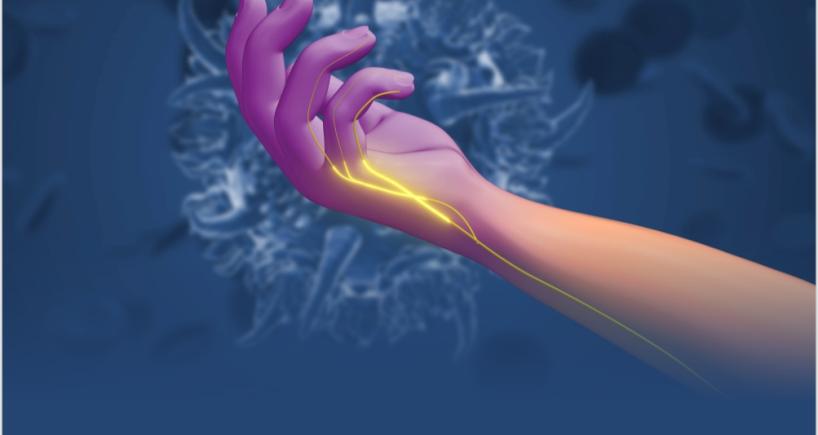


Guillain-Barre Syndrome: Symptoms, Causes & Treatment
Guillain-Barré Syndrome (GBS) is a rare but serious neurological disorder in which the body’s immune system mistakenly attacks the peripheral nerves. This sudden immune response leads to muscle weakness, tingling sensations, and in severe cases, paralysis. Although GBS is uncommon, early identification and treatment are crucial for preventing complications and supporting recovery.
What Is Guillain-Barré Syndrome?
Guillain-Barré Syndrome is an autoimmune disorder affecting the peripheral nervous system—the network of nerves outside the brain and spinal cord. When these nerves are damaged, signals between the brain and muscles become disrupted, leading to weakness, numbness, or loss of movement.
GBS can develop rapidly, and symptoms may worsen over hours or days, making early medical attention essential.
Symptoms of Guillain-Barré Syndrome
While symptoms vary from person to person, they usually appear suddenly and progress quickly.
1. Tingling Sensations
The earliest sign is often:
- Tingling or “pins and needles” feeling in the feet and hands
- Mild numbness in legs or arms
2. Muscle Weakness
Weakness typically starts in the legs and moves upward. It may cause:
- Difficulty walking
- Trouble climbing stairs
- Dropping objects due to weak grip
3. Difficulty with Movement
As the condition progresses, some people may experience:
- Problems standing or balancing
- Reduced arm or shoulder strength
- Difficulty moving facial muscles
4. Severe Symptoms (in advanced stages)
Some individuals may develop:
- Difficulty breathing
- Rapid heart rate
- Low or fluctuating blood pressure
- Trouble swallowing or speaking
These symptoms require immediate medical care, often in a hospital setting.
5. Pain
Many patients experience:
- Sharp nerve pain
- Muscle aches
- Lower back discomfort
Pain may worsen at night.
Causes of Guillain-Barré Syndrome
The exact cause of GBS is unknown, but it often occurs after:
1. Viral or Bacterial Infections
Many cases follow infections such as:
- Respiratory infections
- Gastroenteritis
- Influenza
- Campylobacter jejuni bacteria
2. Immune System Overreaction
GBS occurs when the immune system mistakenly attacks healthy nerve cells, causing inflammation and nerve damage.
3. Surgery or Trauma
Although less common, GBS may appear after major surgery or physical injury.
4. Rare Triggers
In very rare cases, vaccines or medical treatments may be associated with the onset of GBS. However, this is extremely uncommon, and health experts emphasize that the benefits of vaccination far outweigh these rare risks.
How Guillain-Barré Syndrome Is Diagnosed
Doctors may use several tests to confirm GBS, including:
- Neurological examination to check reflexes and muscle strength
- Nerve conduction studies to measure nerve signal flow
- Lumbar puncture (spinal tap) to examine cerebrospinal fluid
- Blood tests to rule out other conditions
Early diagnosis is essential for preventing complications.
Treatment for Guillain-Barré Syndrome
Although there is no cure, timely treatment can significantly improve recovery.
1. Hospital Care
Most people with GBS require monitoring in a hospital to manage symptoms such as breathing difficulty or blood pressure changes.
2. Immunotherapy
Two main therapies help control the immune response:
a) IV Immunoglobulin (IVIG)
A high dose of antibodies is given through a vein to reduce immune system attack on the nerves.
b) Plasmapheresis (Plasma Exchange)
This treatment removes harmful antibodies from the blood.
Both treatments are proven effective if started early.
3. Supportive Care
Depending on severity, patients may receive:
- Pain management
- Breathing assistance (ventilator support)
- Heart rate and blood pressure monitoring
- Nutritional support
4. Physiotherapy & Rehabilitation
Recovery may take weeks to months. Rehabilitation helps regain:
- Muscle strength
- Coordination
- Mobility
- Balance
Early physical therapy boosts long-term outcomes.
Prognosis: What to Expect
Most people recover fully or partially, although recovery may take months. Some may experience lingering weakness or fatigue, while others regain complete strength. Early treatment improves the chances of full recovery.
When to Seek Medical Help
Seek immediate medical attention if you notice:
- Sudden weakness in arms or legs
- Difficulty walking
- Tingling spreading rapidly in limbs
- Trouble breathing or swallowing
Prompt medical evaluation is critical because GBS can progress quickly.
Conclusion
Guillain-Barré Syndrome is a serious but treatable neurological disorder. Early signs like tingling, weakness, and difficulty walking should never be ignored. With timely diagnosis, immunotherapy, and supportive care, most people recover well. Awareness and early action remain the key to managing this condition effectively.
Categories
Clear allMeet the doctor

- Neurology | Neurology
-
 26 Years
-
 1200
1200
Related Blogs
View all





Keep track of your appointments, get updates & more!

