
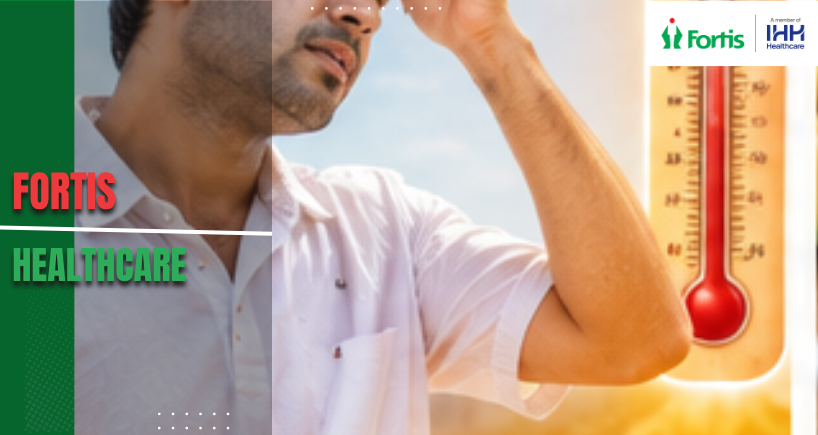


Heatwaves Explained - How Extreme Heat Impacts Your Body and Who Is Most Vulnerable
Introduction
Heatwaves are increasingly common global phenomena that kill more people annually than hurricanes, tornadoes, or floods combined. Yet many people underestimate heat's serious health impacts, treating extreme temperatures as merely uncomfortable rather than dangerous.
Understanding how heat affects your body, recognizing early warning signs, and implementing protective strategies can be lifesaving. This comprehensive guide explains the physiological impacts of extreme heat, identifies vulnerable populations, and reveals evidence-based protection strategies.
How Heat Affects Your Body
The Core Temperature Regulation System
Your body maintains a narrow core temperature range (97-99°F) through sophisticated thermoregulation systems. Extreme heat challenges these systems, forcing compensatory mechanisms that, if overwhelmed, lead to serious conditions.
Thermoregulation Mechanisms During Heat
Perspiration (sweating):
- Primary cooling mechanism during heat stress
- Sweat evaporation removes heat through latent heat loss
- Can produce 1-2 liters of sweat per hour during intense heat
- Causes fluid and electrolyte loss
Vasodilation (blood vessel expansion):
- Blood vessels dilate, increasing blood flow to skin surface
- Heat dissipates through skin radiation
- Blood redirected from internal organs to skin
- Can reduce available blood for vital organs
Respiratory changes:
- Breathing rate increases
- Effort to eliminate heat through respiration increases
- May trigger hyperventilation
Behavioral adjustments:
- Spontaneous desire to rest and slow activity
- Preference for cool environments
- Increased thirst drive
When Thermoregulation Fails
When ambient temperatures exceed your body temperature or exceed your cooling capacity, dangerous situations develop. Multiple factors determine whether your thermoregulation succeeds:
- Environmental temperature: Hotter = greater challenge
- Humidity: High humidity prevents sweat evaporation
- Activity level: Exercise generates internal heat
- Age and health status: Impacts thermoregulation efficiency
- Acclimatization: Adaptation to heat improves thermoregulation
Heat-Related Illnesses
1. Heat Exhaustion (Moderate Heat Illness)
Heat exhaustion occurs when thermoregulation mechanisms are overwhelmed but core temperature hasn't reached dangerous levels.
Symptoms:
- Heavy perspiration
- Weakness and fatigue
- Dizziness and lightheadedness
- Nausea and headache
- Cool, clammy skin (despite being hot)
- Rapid pulse
- Normal or slightly elevated core temperature (99-104°F)
- Timeline: Develops gradually over hours of heat exposure
Treatment:
- Move to cool environment immediately
- Rest in shade or air-conditioned space
- Drink electrolyte solutions (not just water)
- Apply cool, wet towels
- Elevate legs to improve circulation
Recovery: Usually 30 minutes to several hours with appropriate treatment
2. Heat Stroke (Severe Heat Illness - Medical Emergency)
Heat stroke occurs when core temperature exceeds 104°F (40°C) and thermoregulation fails catastrophically. This is life-threatening and requires immediate emergency care.
Warning signs:
- Core temperature above 104°F
- Confusion or altered mental status
- Loss of consciousness
- Seizures
- Paradoxically, may have little or no perspiration (thermoregulation failure)
- Flushed, hot skin
- Rapid, strong pulse
- Potential coma
Timeline: Can develop suddenly; is a medical emergency
Emergency response (Call 911 immediately):
- Move to cool environment
- Remove excess clothing
- Apply ice packs to groin, armpits, neck (areas with major blood vessels)
- Immerse in cold water if possible
- Provide cool fluids if conscious and able to swallow
- Monitor until emergency services arrive
Outcomes: Without rapid treatment, heat stroke causes permanent organ damage or death.
3. Heat Cramps
Intense muscle cramps occur during or after heat exposure, resulting from electrolyte loss and muscle fatigue.
Characteristics:
- Severe muscle cramping in legs, abdomen, or arms
- Usually occur with heavy activity in heat
- Unlike heat exhaustion, core temperature remains normal
Treatment:
- Gentle stretching of cramped muscles
- Electrolyte replacement
- Rest and cool environment
- Light massage
Prevention: Adequate hydration with electrolytes during exercise in heat
4. Heat Syncope (Fainting in Heat)
Sudden fainting from heat results from blood pooling in dilated skin vessels, reducing blood to the brain.
Characteristics:
- Brief loss of consciousness
- Occurs when standing in intense heat
- Rapid recovery upon lying down
Prevention: Avoid prolonged standing in extreme heat; remain hydrated
Populations Most Vulnerable to Heat
High-Risk Groups
Elderly individuals (65+ years):
- Reduced thermoregulatory capacity
- Decreased thirst perception
- Chronic medications impairing heat tolerance
- Pre-existing cardiovascular disease
- Mortality significantly elevated during heatwaves
Young children (under 5 years):
- Thermoregulation still developing
- Limited ability to communicate discomfort
- Cannot self-regulate fluid intake
- Smaller body surface area for heat dissipation
Pregnant women:
- Increased metabolic rate generates more internal heat
- Reduced cardiovascular compensation ability
- Risk of complications affecting fetus
- Individuals with chronic conditions:
- Cardiovascular disease
- Respiratory disease
Diabetes (impairs thermoregulation)
- Obesity (reduced heat dissipation surface area)
- Mental illness
- Certain medication users:
- Antipsychotics and antidepressants
- Antihistamines
- Stimulants
- Diuretics
- Anticholinergics
Athletes and outdoor workers:
- Voluntary intense activity in heat
- Heat acclimatization develops but isn't complete protection
- Social pressure to continue despite heat warnings
Low-income populations:
- Limited access to air conditioning
- Increased outdoor work exposure
- Limited resources for hydration
- Higher baseline stress and health issues
Protecting Yourself During Extreme Heat
Environmental Modification
Create cool spaces:
- Air-conditioned homes or public spaces (libraries, community centers)
- Fans (though ineffective above 95°F ambient temperature)
- Cool showers or baths
- Basement areas (naturally cooler)
Reduce personal heat generation:
- Avoid unnecessary exertion during peak heat hours
- Postpone exercise to early morning or evening
- Stay indoors during heat peak (typically 3-6 PM)
- Wear light-colored, loose, breathable clothing
Hydration Strategies
During normal temperatures:
- Drink 8-10 glasses water daily
- Pre-hydrate before heat exposure
During heat exposure:
- Drink beyond thirst (thirst response lags actual needs)
- Minimum 1 liter per 2-3 hours during outdoor activity
- Include electrolytes (sodium, potassium) not just water
- Avoid caffeine and alcohol (promote fluid loss)
Hydration indicators:
- Urine color: pale yellow = adequate; dark yellow = dehydrated
- Dry mouth and lips: sign of dehydration
- Headache and dizziness: indicate inadequate hydration
Activity Modification
During heatwaves:
- Reduce exertion to 50% normal intensity
- Work in shorter intervals with rest breaks
- Move activity to cooler times (early morning)
- Increase rest periods between exertion
Exercise safety:
- Check heat index before exercising outdoors
- Above 95°F: move indoors or reduce intensity significantly
- Above 105°F: avoid outdoor exertion entirely
- Wear appropriate clothing (light-colored, moisture-wicking)
- Drink electrolyte solution, not just water
Monitoring and Support
Self-monitoring during heat:
- Check core temperature if possible
- Monitor for warning signs
- Take frequent rest breaks
- Maintain awareness of environmental temperature
Buddy system:
- Arrange regular check-ins with vulnerable individuals
- Monitor elderly family members, friends living alone
- Establish community support networks
Special Considerations
Heat and Medications
Certain medications impair heat tolerance through:
- Reduced sweating (anticholinergics)
- Altered fluid balance (diuretics)
- Reduced awareness (sedatives)
- Increased metabolic rate (stimulants)
If taking medication:
- Discuss heat tolerance with healthcare provider
- May need dose adjustment during heatwaves
- Take extra hydration precautions
- Avoid exertion during peak heat
Acclimatization to Heat
Your body adapts to repeated heat exposure through:
- Improved sweating response
- Enhanced cardiovascular stability
- Better fluid conservation
- Reduced core temperature elevation
- Timeline: Adaptation takes 10-14 days of regular heat exposure
- Improvement: Heat tolerance increases 25-40% after acclimatization
Limitations: Acclimatization doesn't provide complete protection; extreme heat still poses risks.
Warning Signs Requiring Emergency Care
Call emergency services immediately if:
- Core temperature exceeds 104°F
- Confusion or altered mental status
- Loss of consciousness
- Severe headache with confusion
- Seizures
- Difficulty breathing
- Severe chest pain
- Unresponsiveness to cooling measures
Conclusion
Extreme heat is a serious health threat, yet it's highly preventable through understanding its impacts and implementing protective strategies. By staying hydrated, modifying activity, accessing cool spaces, and monitoring vulnerable individuals, you dramatically reduce heatwave-related illness and death.
Respect heat's danger while remaining appropriately cautious—most heat illnesses are preventable through simple precautions. During upcoming heatwaves, prioritize these strategies, check on vulnerable neighbors and family members, and recognize that extreme heat, while uncomfortable for all, poses severe risks to specific populations requiring additional protection.
Categories
Clear allMeet the doctor

- Paediatrics | Paediatrics
-
 15 Years
-
 1000
1000
Related Blogs
View all






FAQs

Keep track of your appointments, get updates & more!

