
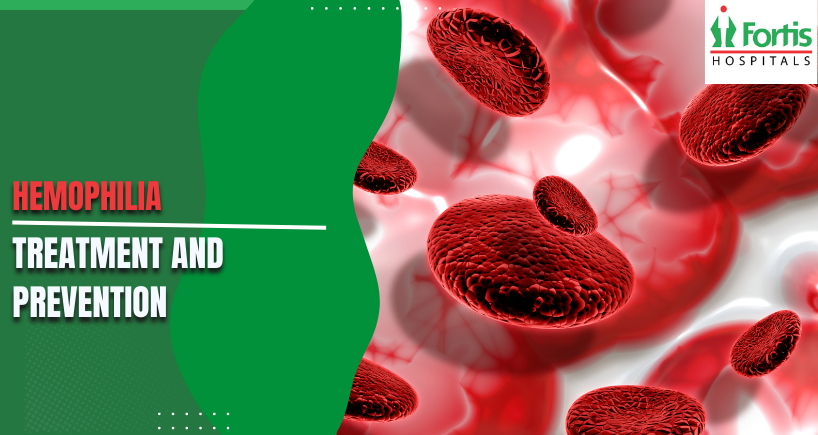


Hemophilia: Treatment and Prevention
Receiving a diagnosis of hemophilia for yourself or your child can feel like entering an unfamiliar world. The initial question, "hemophilia, what is it?" quickly gives way to a more urgent and personal one: "How do we live with this?" In the past, the answers were limited, and the outlook was often grim. But today, the story of hemophilia is no longer one of limitations. It is a story of remarkable medical progress, empowerment, and proactive care.
The journey of managing this condition has been transformed from a reactive response to bleeding into a forward-thinking strategy of prevention. Modern hemophilia treatment is not just about stopping bleeds; it is about preventing them from ever starting. This shift has fundamentally changed what it means to live with hemophilia, opening up a world of possibility for a full, active, and healthy life.
The Cornerstone of Modern Hemophilia Treatment
The fundamental problem in hemophilia is a missing or deficient clotting factor protein. Therefore, the foundation of all modern haemophilia treatments is a strategy called replacement therapy. The goal is simple and direct: replace the missing factor so the blood can clot normally. This is achieved by infusing a concentrated form of the specific clotting factor the person needs directly into their bloodstream.
These factor concentrates are sophisticated medical products. They are either derived from the plasma of carefully screened human blood donors or, more commonly today, created in a laboratory using recombinant DNA technology. Recombinant factors are highly effective and eliminate the risk of transmitting blood-borne viruses.
Prophylaxis: The Proactive Approach
The most significant advancement in hemophilia care has been the widespread adoption of prophylaxis. This is a preventative treatment regimen where a person infuses their clotting factor on a regular schedule, typically two to three times a week. The goal is not to treat a bleed that is already happening but to maintain a consistent level of clotting factor in the blood to prevent most bleeds from occurring in the first place.
Prophylaxis is the standard of care, especially for individuals with severe hemophilia. By preventing spontaneous bleeds into joints and muscles, it protects the body from the cumulative damage that was once a devastating consequence of the disease. This proactive strategy is the key to preserving long-term joint health and enabling a physically active life.
On-Demand Treatment for Active Bleeds
Even with a prophylactic regimen, breakthrough bleeds can still happen, often as a result of an injury. In these cases, or for individuals with mild hemophilia who do not require prophylaxis, on-demand treatment is used. This involves infusing a dose of factor concentrate at the first sign of a bleed to stop it as quickly as possible. Recognizing the early signs of hemophilia bleeding, such as a tingling or warm feeling in a joint, is a critical skill for managing the condition effectively.
Innovations Beyond Factor Replacement
While replacement therapy is highly effective, the field of hemophilia treatment continues to evolve. Recent scientific breakthroughs have introduced new types of therapies that work in entirely different ways.
One of the most transformative of these is a non-factor therapy called emicizumab. Instead of replacing a missing factor, this medication mimics the function of Factor VIII. It acts as a bridge, bringing together two other key proteins in the clotting cascade to allow clotting to proceed. It is administered as a simple injection under the skin, much like an insulin shot, on a less frequent schedule, offering a new level of convenience and protection for people with Hemophilia A.
Specifics of Hemophilia B Treatment
The principles of managing Hemophilia B are the same as for Hemophilia A, with one key difference. The hemophilia b treatment involves replacing the specific missing protein, which is Factor IX. Individuals with Hemophilia B will use Factor IX concentrates for both prophylactic and on-demand therapy.
Recent advancements in hemophilia b treatment have led to the development of extended half-life (EHL) Factor IX products. These molecules have been engineered to last longer in the body, which means people using them for prophylaxis may be able to infuse less frequently, sometimes only once a week or even less, while still maintaining a protective level of clotting factor.
Preventing Bleeds and Long-Term Complications
Effective hemophilia treatment goes beyond just infusions. It involves a holistic approach to prevention, focused on protecting the body, especially the joints.
Physical Therapy: This is a vital component of comprehensive care. A physical therapist can design an exercise program to strengthen the muscles that support and protect the joints, improving stability and reducing the risk of spontaneous bleeds.
Avoiding Certain Medications: People with hemophilia must avoid medications that interfere with blood clotting, particularly aspirin and non-steroidal anti-inflammatory drugs (NSAIDs) like ibuprofen and naproxen.
Excellent Dental Hygiene: Good oral care is essential to prevent gum disease, which can cause bleeding. Regular check-ups with a dentist familiar with bleeding disorders are important.
Safe Physical Activity: Staying active is crucial for joint and muscle health. While high-contact sports are generally discouraged, activities like swimming, cycling, and walking are highly beneficial.
Navigating the Hemophilia Treatment Cost
It is a reality that the medications used to treat hemophilia are among the most expensive in the world. The hemophilia treatment cost can be a significant source of stress for families. The factor concentrates are complex biologic drugs that are difficult and expensive to produce.
This financial burden is a recognized challenge. This is why Hemophilia Treatment Centers (HTCs) are such a critical resource. They have social workers and financial counselors on staff who are experts at navigating the complexities of insurance coverage. They can connect families with patient assistance programs from pharmaceutical companies and other support organizations to help manage the high cost of care.
A Future of Empowerment and Possibility
The landscape of haemophilia treatments has been completely reshaped by medical innovation. What was once a condition defined by its limitations is now managed with proactive strategies that prioritize prevention, long-term health, and quality of life.
The key to this new reality is a strong partnership with your specialized healthcare team. By taking an active role in your treatment plan and embracing a preventative mindset, you can live a full, healthy life, defined by your ambitions, not by your diagnosis.
Frequently Asked Questions
Q1. What are the earliest signs of hemophilia in a baby?
Ans. Some of the earliest signs of hemophilia can include prolonged bleeding after circumcision, significant bruising from minor bumps as the baby starts to crawl, or swelling and irritability that may indicate a joint or muscle bleed. If there is a known family history, testing is often done shortly after birth.
Q2. What is an inhibitor?
Ans. An inhibitor is a serious complication of hemophilia treatment that occurs when the person's immune system mistakenly identifies the infused clotting factor as a foreign substance and develops antibodies to destroy it. This makes standard replacement therapy ineffective. Treating bleeds in someone with an inhibitor is more complex and requires specialized medications.
Q3. Can people with hemophilia play sports?
Ans. Yes, absolutely. In fact, physical activity is strongly encouraged to build strong muscles that protect the joints. The key is choosing the right activities. Low-impact sports like swimming, golf, and cycling are excellent choices. It is important to discuss any new sport or activity with your hematologist or physical therapist first.
Q4. Is gene therapy a reality for hemophilia yet?
Ans. Gene therapy is no longer just a theoretical concept; it is now a reality. In recent years, gene therapies for both Hemophilia A and Hemophilia B have been approved in several countries. These treatments use a modified virus to deliver a correct copy of the faulty gene to the liver, allowing the body to produce its own clotting factor. It represents a potential one-time treatment for the disease.
Categories
Clear allRelated Blogs
View all




Keep track of your appointments, get updates & more!

