
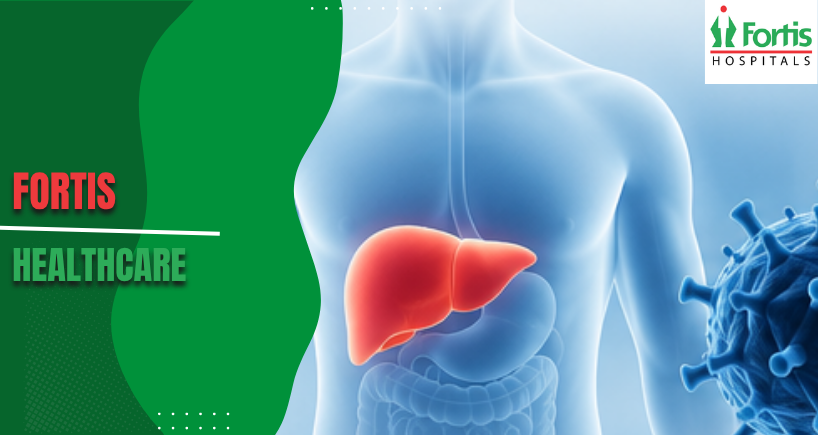


Hepatitis A in Monsoon How Contaminated Food Triggers Liver Infection
Monsoon season doesn't just bring mosquito-borne illnesses — it also creates the perfect conditions for hepatitis A, a liver infection that spreads through something as ordinary as a contaminated meal or a glass of untreated water. Because early hepatitis A symptoms can feel like a mild stomach bug, many people don't realize their liver is involved until jaundice sets in.
This guide breaks down how contaminated food infection leads to hepatitis A, what symptoms to watch for, and how hepatitis A treatment and hepatitis A prevention work together to protect your liver.
What Is Hepatitis A?
Hepatitis A is a viral infection that specifically targets the liver, caused by the hepatitis A virus (HAV). Unlike hepatitis B or C, it doesn't lead to chronic liver disease, but the acute illness itself can be severe enough to require hospitalization in some cases. It falls squarely within hepatology, the branch of medicine focused on liver health.
The virus spreads primarily through the fecal-oral route — meaning contaminated food or water, or close contact with an infected person, are the main transmission paths.
How Contaminated Food Infection Leads to Hepatitis A
During monsoon, the risk of contaminated food infection rises sharply because:
- Flooding can contaminate water supplies used for washing produce or cooking
- Street food and raw vegetables are more likely to come into contact with unclean water
- Poor sanitation infrastructure allows fecal contamination to reach food and water sources more easily
- Shellfish harvested from contaminated water is a particularly common source
Even food that looks and tastes normal can carry the virus, since hepatitis A doesn't typically alter the taste or appearance of food.
Recognizing Hepatitis A Symptoms
Hepatitis A symptoms usually appear 2–6 weeks after exposure, and they progress in a fairly recognizable pattern:
- Fatigue and general weakness
- Loss of appetite and nausea
- Mild fever
- Abdominal discomfort, particularly in the upper right side (where the liver sits)
- Dark-colored urine
- Pale or clay-colored stools
- Jaundice — yellowing of the skin and eyes, usually appearing after the initial symptoms
Interestingly, children often experience milder symptoms or none at all, while adults tend to have more noticeable illness, including visible jaundice.
When Hepatitis A Symptoms Signal a Bigger Problem
While most hepatitis A cases resolve on their own, certain symptoms warrant urgent medical attention:
- Severe abdominal pain
- Persistent vomiting preventing fluid intake
- Confusion or unusual drowsiness (a sign of impaired liver function)
- Easy bruising or bleeding
- Jaundice that worsens rather than improves after a week or two
These signs can indicate more significant liver involvement and should never be ignored, even though hepatitis A rarely becomes chronic.
How Hepatitis A Treatment Works
There's no specific antiviral cure for hepatitis A, so hepatitis A treatment focuses on supporting the liver while it heals itself:
- Rest — The liver needs energy to repair itself, and fatigue is common during recovery, so pacing activity matters.
- Hydration and nutrition — Small, frequent, easily digestible meals help manage nausea and support recovery without overburdening the liver.
- Avoiding alcohol and certain medications — Substances processed by the liver, including alcohol and some over-the-counter drugs, should be avoided until liver function normalizes.
- Monitoring liver function — Doctors typically track liver enzyme levels through blood tests to confirm the infection is resolving as expected.
- Hospitalization in rare severe cases — A small percentage of patients, especially older adults, may develop more serious liver dysfunction requiring closer monitoring.
Most people recover fully within a few weeks to a couple of months, with the liver regenerating completely and no lasting damage.
Hepatitis A Prevention: Protecting Yourself During Monsoon
Hepatitis A prevention is highly effective and centers around two things: vaccination and hygiene.
- Vaccination — The hepatitis A vaccine is highly effective and recommended for children, travelers to high-risk areas, and anyone with liver conditions.
- Safe drinking water — Stick to boiled, filtered, or bottled water during monsoon season.
- Food hygiene — Avoid raw shellfish, wash fruits and vegetables thoroughly, and be cautious with street food during outbreaks.
- Handwashing — Wash hands with soap after using the toilet and before preparing or eating food.
- Sanitation practices — Proper sewage disposal and clean water infrastructure significantly reduce community transmission.
Final Thoughts
Hepatitis A is a reminder of how closely food safety and liver health are connected, especially during monsoon when contamination risks rise. The good news is that it's both preventable through vaccination and hygiene, and generally recoverable without long-term liver damage. Paying attention to early symptoms like fatigue, nausea, and dark urine can help you catch it early and give your liver the rest it needs to heal.
Categories
Clear allRelated Blogs
View all
When Is A Liver Transplant Recommended?
Alcoholic Liver Disease - Why Worry?

Binge Drinking Trend Is The New Silent Killer


Irritable Bowel Syndrome

Digestive Disorders And Prevention

FAQs

Keep track of your appointments, get updates & more!

