


Hernia Surgery Recovery Timeline
Medicine Made Simple Summary
Recovery after laparoscopic hernia repair is usually quicker and less painful compared to open surgery, but patients often wonder exactly what to expect. This recovery checklist breaks down the first 3 months after surgery into clear steps. It explains what you can safely do each week, what to avoid, how to manage pain, and when to seek medical advice. Following this roadmap helps patients heal properly, avoid complications, and regain confidence in returning to daily life and exercise.
Why a Recovery Checklist Matters
Many patients underestimate the importance of structured recovery after laparoscopic hernia repair. Although the procedure is minimally invasive, the abdominal wall needs weeks to fully heal. Returning to activities too soon can cause setbacks, while delaying normal movement may slow healing. A recovery checklist helps you balance rest and activity, guiding you step by step through safe milestones.
Day 1: Immediately After Surgery
Most patients go home the same day. On the first day, rest and hydration are your priorities. Gentle walking around the house every few hours helps prevent blood clots. You may feel groggy from anesthesia and notice mild pain near the incisions. Small meals are best, as anesthesia can slow digestion. Avoid lifting anything heavier than a glass of water.
```html
Week 1: Rest, Walking, and Pain Management
During the first week, recovery focuses on managing discomfort and regaining mobility. Pain is usually mild to moderate and controlled with prescribed or over-the-counter medications. Walking short distances several times a day helps circulation and prevents stiffness. You can shower within a couple of days, but avoid soaking the incisions. Do not lift more than 10 pounds (about a gallon of milk). Driving is usually safe once you’re off pain medication and can move comfortably. Some patients who experience persistent discomfort may want to learn more about nerve pain after laparoscopic hernia surgery.
Week 2–3: Building Gentle Routines
By weeks 2–3, most patients notice significant improvement. The incisions begin to heal, and swelling subsides. At this stage, you can usually return to light desk work or school. Continue walking daily, gradually increasing time and distance. Avoid heavy lifting or strenuous chores. If constipation is an issue, increase fiber and hydration. Many patients find wearing supportive clothing, like snug underwear or an abdominal binder, makes movement more comfortable.
Weeks 4–6: Returning to Light Exercise
During weeks 4–6, your body feels stronger, and mild exercise becomes safe. Activities like stationary cycling, swimming (once wounds are fully healed), and light yoga are encouraged. Avoid high-impact exercise, heavy lifting, or abdominal workouts. You may start driving longer distances and return to light-duty work if it doesn’t involve lifting. Always listen to your body—sharp pain or swelling means you should slow down. Follow your surgeon's guidance on exercise after laparoscopic hernia repair.
Month 2: Reintroducing Strength and Activity
By the second month, healing is more advanced, and many patients can reintroduce strength-building activities. Light resistance training with bands or very light weights is acceptable. Focus on controlled breathing and avoid holding your breath during exertion, as this strains the abdominal wall. Low-impact cardio like brisk walking and cycling are ideal. Patients who work physical jobs may return at this stage with restrictions. Always confirm with your surgeon before lifting more than 20–25 pounds.
Month 3: Regaining Normal Life
By the third month, most patients feel nearly back to normal. At this point, heavier exercise, including weightlifting, jogging, and non-contact sports, can be reintroduced gradually. Start with lower weights and build up slowly. Core exercises such as planks and crunches can be added cautiously once approved by your doctor. Most patients return to full-duty work without restrictions by the end of month three. Any lingering discomfort is usually mild and temporary.
Warning Signs to Watch For
While recovery is smooth for most, you should seek medical attention if you notice persistent fever, redness or pus at incision sites, severe or worsening pain, difficulty urinating, sudden swelling in the groin, or nausea and vomiting (which could signal bowel issues). These warning signs may indicate infection, recurrence, or complications.
Tips for Managing Pain and Discomfort
Pain is usually manageable, but discomfort can interfere with recovery if ignored. Tips include:
- Use pain medications as directed.
- Apply ice packs in the first few days to reduce swelling.
- Use warm compresses for muscle stiffness after the first week.
- Walk frequently to reduce stiffness.
- Practice gentle deep breathing to relax abdominal muscles.
Nutrition for Healing
A balanced diet supports tissue repair and prevents constipation. Focus on lean proteins, fruits, vegetables, and whole grains. Hydration is critical. Avoid excessive caffeine, alcohol, or processed foods, which can slow healing. Patients often benefit from high-fiber foods to avoid straining during bowel movements, which could stress the repair site.
Emotional Aspects of Recovery
Recovery isn’t just physical. Many patients feel frustrated by activity restrictions or anxious about recurrence. Some feel isolated during the first few weeks. Staying connected with supportive friends or online patient groups can help. Setting small recovery goals, like walking a few extra minutes each day, can boost confidence.
Checklist by Timeline
Here’s a simplified version of your 3-month recovery checklist:
Day 1: Rest, hydration, short walks, pain management.
Week 1: Walk daily, manage incisions, avoid lifting over 10 pounds.
Weeks 2–3: Return to desk work, continue daily walking, light chores.
Weeks 4–6: Start light exercise, swimming, stationary cycling, yoga.
Month 2: Add resistance training, brisk walking, low-impact cardio.
Month 3: Gradual return to weightlifting, jogging, sports, and full work duties.
This structured plan helps patients stay on track and avoid setbacks.
Long-Term Lifestyle Adjustments
Even after recovery, certain lifestyle changes help prevent future hernias. Maintain a healthy weight, avoid smoking, and use proper lifting techniques. Strengthening your core through approved exercises can also reduce hernia risk. Prevention is just as important as surgery itself. If you're still deciding on treatment, understanding laparoscopic or open hernia surgery may help you discuss options with your surgeon.
Conclusion
If you’re recovering from laparoscopic hernia repair, following a structured checklist makes the journey smoother and safer. Stick to your surgeon’s advice, progress gradually, and don’t ignore warning signs. Use this 3-month guide as your roadmap back to normal life. If you haven’t scheduled surgery yet, ask your surgeon what your personal recovery timeline might look like so you can plan with confidence.
Categories
Clear allMeet the doctor

- General Surgery | General and Minimal Access Surgery
-
 8 Years
-
 650
Related Blogs
View all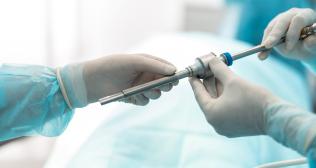
Single Incision Laparoscopic Surgery (SILS) for Hernia Repair

Understanding Gallbladder Stones: Causes, Symptoms, and Treatment Options
Understanding Hernia - Causes, Symptoms, and Treatment Options
Gallstone Complications: When to Seek Medical Attention

Common Myths and Misconceptions About Bariatric Surgery

Understanding Appendicitis: Causes, Symptoms, Risk Factors & Treatment
Understanding Varicose Veins: Causes, Symptoms, Risk Factors & Treatment Options
FAQs

Keep track of your appointments, get updates & more!

