
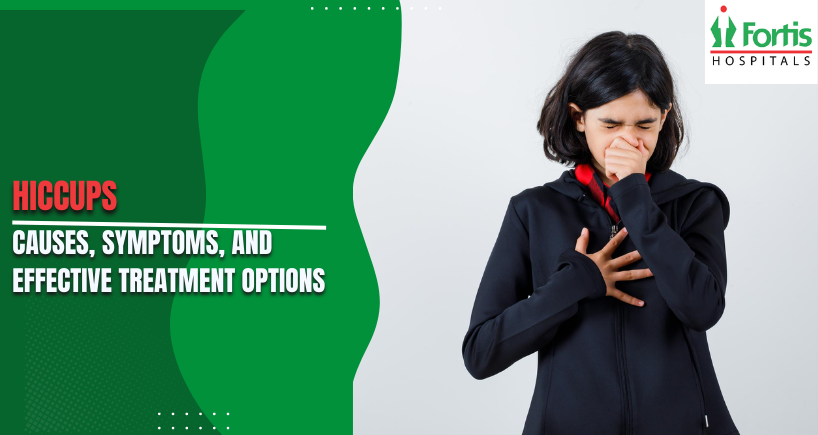


Hiccups: Causes, Symptoms, and Effective Treatment Options
They arrive without warning. A sudden, involuntary gulp of air, followed by an unmistakable "hic!" sound. Hiccups are one of the body's strangest and most common quirks. While usually harmless and short-lived, a persistent bout can be incredibly annoying, interfering with conversation, eating, and even sleep. This universal experience often leaves us wondering: why do we have hiccups, and more importantly, how to stop hiccups when they strike?
Understanding the simple mechanism behind this familiar reflex, the common triggers that set it off, and the various strategies for relief can help you navigate these brief, involuntary interruptions. This guide explores the reason for hiccups, the (usually simple) symptoms, and effective hiccups treatment options, from folk remedies to medical interventions.
What Are Hiccups? The Science Behind the "Hic!"
At its core, a hiccup is an involuntary spasm of your diaphragm followed by a rapid closure of your vocal cords. Let's break that down.
The Diaphragm: This is a large, dome-shaped muscle located at the base of your chest, just below your lungs. It is your primary muscle for breathing. When you inhale, your diaphragm contracts and moves downward, helping to draw air into your lungs. When you exhale, it relaxes and moves upward.
The Spasm: A hiccup begins when your diaphragm suddenly contracts involuntarily, pulling downward abruptly. This causes you to suck in air quickly.
The Vocal Cord Closure: Almost immediately after the diaphragm spasm, your vocal cords (located in your voice box or larynx) snap shut. This sudden closure cuts off the incoming air, producing the characteristic "hic!" sound.
This entire sequence is a reflex arc, involving nerves that travel from the brain to the diaphragm. Anything that irritates these nerves can potentially trigger the reflex.
Why Hiccups Occur: Common Causes and Triggers
So, why hiccups occur? The specific trigger is often unknown, but many common factors are thought to irritate the diaphragm or the nerves that control it. The most frequent reason for hiccups includes:
Eating or Drinking Too Quickly: Swallowing air along with your food or drink is a primary culprit.
Eating Too Much Food: An overly full stomach can press upward on the diaphragm, potentially irritating it.
Drinking Carbonated Beverages: The carbonation can distend the stomach and lead to swallowing excess air.
Drinking Alcohol: Alcohol can irritate the digestive tract and potentially affect nerve function.
Sudden Temperature Changes: Drinking a very hot or very cold beverage, or even a sudden change in ambient temperature.
Excitement or Emotional Stress: Strong emotions, whether positive or negative, can sometimes trigger the reflex.
Smoking: Inhaling smoke can potentially irritate the diaphragm.
While most cases are brief and related to these common triggers, hiccups that last for more than 48 hours (persistent hiccups) or more than a month (intractable hiccups) can sometimes be a sign of an underlying medical condition affecting the nerves or brain, or metabolic issues. These rare causes require medical investigation.
Symptoms: More Than Just the Sound
The primary symptom of hiccups is, of course, the characteristic "hic!" sound accompanied by a slight, involuntary jerking sensation in your chest or abdomen with each spasm. While usually painless, a prolonged or forceful bout of hiccups can sometimes lead to:
Mild chest discomfort
Abdominal aching
Fatigue (if they interfere with sleep)
Social awkwardness or embarrassment
How to Stop Hiccups: Effective Relief Strategies
This is the question on everyone's mind when an attack strikes. While there is no single, guaranteed cure, many popular hiccups treatment methods work by interrupting the hiccup reflex arc. They often involve stimulating the vagus nerve or the phrenic nerve (which controls the diaphragm), or by increasing the level of carbon dioxide in the blood, which can help stop the spasms. Here are some common strategies for how to control hiccups:
Breathing and Swallowing Maneuvers:
Hold Your Breath: Take a deep breath and hold it for as long as comfortably possible (10-20 seconds). This increases carbon dioxide levels.
Breathe into a Paper Bag: (Important: Never use a plastic bag, and stop if you feel lightheaded). Slowly breathing in and out of a small paper bag for about a minute re-routes exhaled carbon dioxide back into your lungs, increasing blood CO2 levels.
Gasp Suddenly: A quick, sharp intake of air can sometimes shock the diaphragm out of its spasm.
Sip Ice Water Slowly: The cold temperature and the act of swallowing can stimulate the vagus nerve.
Swallow a Teaspoon of Sugar or Honey: The grainy texture and the act of swallowing are thought to stimulate nerve endings in the back of the throat.
Drink Water Quickly: Gulping down a glass of water without breathing might interrupt the spasm.
Drink from the Opposite Side of a Glass: This awkward maneuver requires you to bend over and sip, potentially stimulating the vagus nerve and engaging abdominal muscles differently.
Pressure Point Techniques:
Pull Gently on Your Tongue: Holding the tip of your tongue and gently pulling it forward can stimulate the vagus nerve.
Press on Your Diaphragm: Gently push inward and upward just below your sternum (breastbone).
Massage the Carotid Artery: Gently massaging the carotid artery (one side at a time) on your neck can stimulate the vagus nerve. (Caution: This should be done gently and avoided by people with known carotid artery disease).
Often, simply trying one or two of these techniques is enough to break the cycle. The key is to interrupt the repetitive spasm.
When Home Remedies Aren't Enough: Medical Treatment
For the vast majority of people, hiccups are a temporary nuisance that resolves on its own or with simple home remedies within minutes or hours. However, if your hiccups persist for more than 48 hours, it is essential to see a doctor.
Persistent or intractable hiccups can be exhausting and may signal an underlying medical issue that needs to be addressed. Your doctor will take a thorough history, perform a physical exam, and may order tests (like blood work, imaging scans, or an endoscopy) to investigate potential causes of hiccups.
Medical hiccups treatment options for persistent cases may include:
Medications: Several types of drugs can be used to help control the diaphragm spasms, including muscle relaxants, sedatives, or anticonvulsants.
Treating the Underlying Cause: If a specific medical condition is found to be triggering the hiccups, treating that condition is the most effective approach.
More Invasive Procedures: In very rare, severe, and persistent cases, procedures like an injection to block the phrenic nerve may be considered.
A Usually Harmless Reflex
Hiccups are a common, usually brief, and harmless physiological reflex. While the exact reason why do we have hiccups remains a bit of a mystery from an evolutionary standpoint, the mechanism is well understood. Simple maneuvers that interrupt the reflex arc are often effective at providing relief.
Remember to be patient, try a few safe techniques, and know that most bouts will pass quickly on their own. However, never hesitate to seek medical advice for hiccups that refuse to go away, as this could be a sign that requires further investigation.
Frequently Asked Questions
Q1. Can hiccups be dangerous?
Ans. Short-term hiccups are almost never dangerous, just annoying. However, persistent hiccups (lasting more than 48 hours) or intractable hiccups (lasting more than a month) can be exhausting, interfere with eating and sleeping leading to weight loss and fatigue, and may indicate a serious underlying medical condition that needs treatment.
Q2. Why do I get hiccups when I drink alcohol?
Ans. Alcohol can irritate both the esophagus and the stomach. Stomach distension can put pressure on the diaphragm, and irritation of the esophagus can affect the vagus nerve, both of which are potential triggers for the hiccup reflex.
Q3. Can babies get hiccups? Are they harmful?
Ans. Yes, hiccups are very common in babies, even in the womb! They are generally harmless and do not usually bother infants. They often occur after feeding or due to temperature changes. Gentle burping or offering a pacifier might help.
Q4. Is there a guaranteed way how to stop hiccups instantly?
Ans. Unfortunately, no. There is no single method that works for everyone, every time. Different techniques work for different people, and sometimes even a favorite method fails. Trying a different approach or simply waiting patiently is often the best course.
Categories
Clear allRelated Blogs
View all
When Is A Liver Transplant Recommended?

Alcoholic Liver Disease - Why Worry?

Binge Drinking Trend Is The New Silent Killer


Irritable Bowel Syndrome

Digestive Disorders And Prevention


Keep track of your appointments, get updates & more!

