
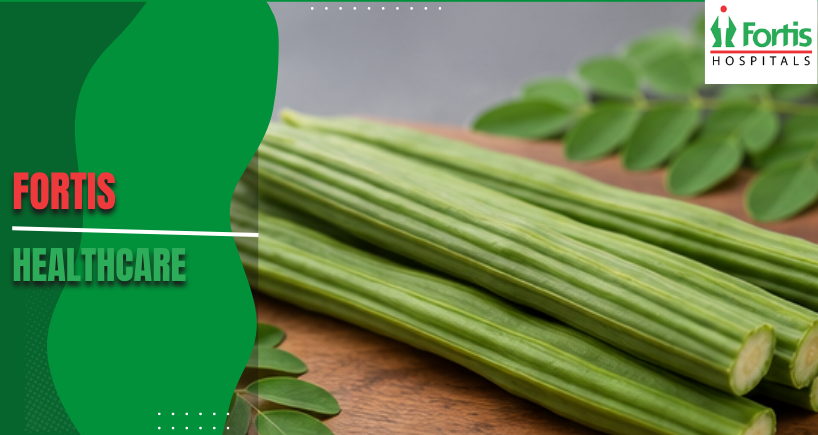


Hidden Health Benefits of Drumstick (Moringa) You Should Know About
Walk through any traditional Indian kitchen and you will likely find a bunch of drumsticks — long, slender pods that find their way into sambhar, curries, and soups. Most people know drumstick (Moringa oleifera) as a vegetable, but what many do not realize is that it is also one of the most nutrient-dense plants on Earth.
Moringa has been used in traditional medicine across South Asia, Africa, and Southeast Asia for thousands of years. Today, it is gaining global recognition as a superfood — and for very good reason. Let us explore the lesser-known but powerful health benefits of drumstick that go far beyond its familiar role in sambhar.
Nutritional Profile of Drumstick (Moringa)
Moringa oleifera is often called the "miracle tree" because almost every part of it — leaves, pods, seeds, flowers, and roots — offers nutritional or medicinal value. The leaves are particularly concentrated in nutrients, but the pods (drumsticks) are also nutritionally impressive.
What Moringa Contains (Per 100g of Fresh Leaves)
- Protein: 9.4g — more than yogurt
- Vitamin C: 51.7mg — comparable to citrus fruits
- Calcium: 185mg — more than milk per calorie
- Iron: 4mg — supports hemoglobin production
- Potassium: 337mg — supports heart and muscle function
- Antioxidants: Quercetin, chlorogenic acid, isothiocyanates
Hidden Health Benefits of Drumstick You Should Know
1. Powerful Anti-Inflammatory Properties
Chronic inflammation is at the root of most lifestyle diseases — diabetes, heart disease, arthritis, and cancer. Moringa contains isothiocyanates, quercetin, and chlorogenic acid — potent anti-inflammatory compounds that help reduce systemic inflammation. Regular consumption of moringa may help lower inflammatory markers in the body, offering long-term protective benefits.
2. Supports Blood Sugar Management
Research suggests that moringa leaves may help lower blood sugar levels. The compound isothiocyanate and chlorogenic acid in moringa are believed to help regulate insulin secretion and improve glucose uptake by cells. Animal and human studies have shown promising reductions in fasting blood sugar with regular moringa leaf consumption.
3. Lowers Cholesterol and Supports Heart Health
Studies have shown that moringa may reduce LDL (bad) cholesterol levels while supporting HDL (good) cholesterol. Its beta-sitosterol content is thought to compete with dietary cholesterol for absorption in the gut. Combined with its antioxidant properties, moringa supports a healthier cardiovascular system and reduced risk of arterial plaque.
4. Rich Source of Plant-Based Iron
Drumstick is one of the best plant-based sources of iron, making it particularly valuable for vegetarians, vegans, and women with iron deficiency anaemia. Eating drumstick regularly — especially cooked with vitamin C-rich foods — enhances iron absorption and supports healthy red blood cell production.
5. Supports Bone Density and Joint Health
Moringa is unusually rich in calcium and phosphorus — two minerals essential for bone density and joint health. It also contains anti-inflammatory compounds that may ease symptoms of arthritis and joint pain. This makes it a smart dietary addition for older adults at risk of osteoporosis.
6. Natural Detoxification Support
The liver is your body's primary detox organ, and moringa has been shown in animal studies to protect liver cells from damage caused by toxins, medications, and oxidative stress. Regular moringa consumption may support healthy liver enzyme levels and promote efficient toxin elimination.
7. Boosts Immunity
Moringa's extraordinary vitamin C content — along with zinc, beta-carotene, and polyphenols — makes it a powerful immune booster. Vitamin C stimulates white blood cell production and protects cells from free radical damage. During cold and flu season, incorporating moringa into your diet is a simple, natural way to strengthen your defenses.
8. Supports Lactation in New Mothers
In many traditional practices, moringa is recommended to breastfeeding mothers to support milk production. Some small studies suggest that galactagogue compounds in moringa may increase breast milk volume. Moringa's rich iron, calcium, and vitamin content also helps mothers recover their nutritional reserves postpartum.
How to Use Drumstick and Moringa in Your Diet
- Add drumstick pods to sambhar, dal, or vegetable curry — a classic and delicious option.
- Use moringa leaf powder in smoothies, soups, or sprinkled on rice and salads.
- Make moringa tea by steeping fresh or dried leaves in hot water for 5 minutes.
- Add moringa leaves to stir-fries or omelets for a protein and nutrient boost.
- Moringa supplements (capsules/powder) are available, but whole food sources are always preferred.
Precautions to Keep in Mind
While moringa is safe for most people when consumed in food amounts, there are a few precautions worth noting. Pregnant women should avoid large amounts of moringa root, bark, or flower extracts, as they may stimulate uterine contractions. People on blood pressure or blood sugar medication should monitor their levels carefully, as moringa may have an additive effect. Moringa supplements are potent — stick to recommended dosages.
Conclusion
Drumstick (moringa) is far more than a sambhar ingredient. It is a true nutritional powerhouse with documented benefits for blood sugar, heart health, bones, immunity, liver function, and even lactation. Whether you eat the pods in curries, use the leaf powder in drinks, or grow the tree in your garden, adding moringa to your daily routine is one of the simplest and most impactful choices you can make for long-term wellness.
Categories
Clear allMeet the doctor

- Support Specialties | General Physician
- Internal Medicine | Internal Medicine
-
 15 Years
-
 1150
1150
Related Blogs
View all







FAQs
What is moringa good for?
Blood sugar control, reducing inflammation, boosting immunity, and supporting bone and heart health.
Can diabetics eat drumstick daily?
Yes — it may help lower blood sugar, but monitor levels if you are on medication.
Is moringa powder better than fresh leaves?
Both are effective — powder is more concentrated; fresh leaves offer better bioavailability.
Can moringa cause any side effects?
Excess consumption may cause digestive upset; pregnant women should avoid moringa extracts.

Keep track of your appointments, get updates & more!

