
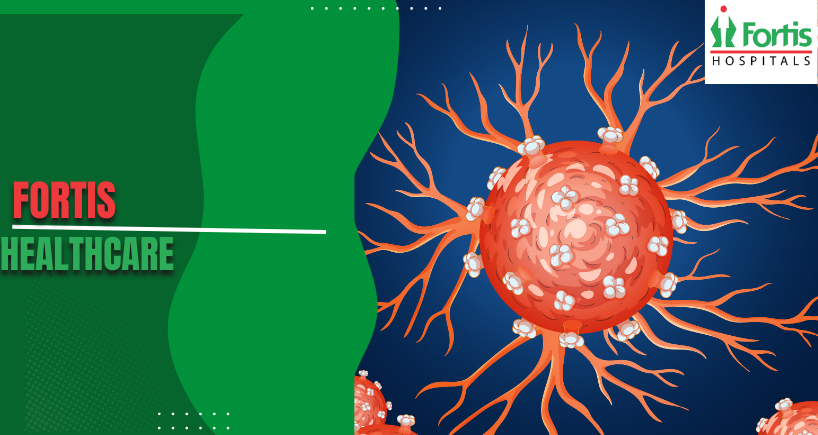


Hodgkin vs Non-Hodgkin Lymphoma: A Fresh Comparison Using Simple Analogies
When people first hear about lymphoma, they often encounter two names: hodgkin lymphoma and non-hodgkin's lymphoma. The names sound like they should describe variations on the same disease. In reality, Hodgkin's and non hodgkin's are fundamentally different diseases that happen to arise from similar tissue. Understanding their critical differences helps patients with non-hodgkin lymphoma understand their specific disease and why it behaves so differently from hodgkin lymphoma.
The distinction between hodgkin lymphoma and NHL goes far deeper than the disease names suggest. They originate from different lymphocyte types. They spread differently through the body. They present with different symptoms. They respond differently to treatment. Hodgkin's and non-Hodgkin's have different age distributions and different prognoses.
The Cellular Foundation: Where the Split Begins
Hodgkin lymphoma originates from a specific cell type: the Reed-Sternberg cell. These distinctive cells have a recognizable appearance under microscopes, described as "owl's eye" cells because of their distinctive nuclear appearance. In Hodgkin's disease, Reed-Sternberg cells are rare, surrounded by abundant normal-appearing inflammatory cells.
Non-hodgkin's disease doesn't have Reed-Sternberg cells. Instead, NHL originates from lymphocytes, B cells or T cells, that multiply and become increasingly abnormal. The non-hodgkin lymphoma cells themselves are the problem, not rare malignant cells surrounded by inflammation.
This cellular distinction creates a useful analogy: hodgkin lymphoma is like a small group of revolutionaries manipulating a large crowd around them. Non-hodgkin's disease is like the crowd itself becoming revolutionary. In Hodgkin's disease, a few abnormal cells cause problems. In NHL, the abnormal cells are the disease itself.
Age of Presentation: When the Diseases Strike
Hodgkin lymphoma shows a distinctive age pattern: it peaks in young adults aged fifteen to thirty-five, then again at fifty-five and older. This bimodal distribution, two peaks separated by lower rates in middle age, is characteristic of Hodgkin's disease.
Non-hodgkin's disease shows different age patterns. NHL incidence increases gradually from childhood through old age, without the distinctive peaks seen in hodgkin lymphoma. In very young children, NHL is more common than Hodgkin's disease. In elderly people, NHL becomes increasingly common. Hodgkin lymphoma remains relatively stable with just its characteristic two-peak pattern.
Spread Patterns: Geographic Differences
Hodgkin lymphoma typically spreads predictably, from one lymph node region to adjacent regions. A person might have disease in neck nodes, then chest nodes, then abdominal nodes. This orderly spread from one region to contiguous regions allows doctors to predict spread patterns.
Non-hodgkin's disease spreads more randomly. Disease might appear in neck nodes and abdominal nodes while the chest remains unaffected. Disease can jump from one body region to distant unrelated regions through lymph vessels and blood. This unpredictable spread pattern makes NHL more likely to appear at multiple sites simultaneously.
This difference affects staging. Hodgkin lymphoma staging predicts spread patterns fairly reliably. NHL staging requires comprehensive body imaging because non-contiguous disease is expected.
Lymph Node Involvement: Similar Location, Different Implications
Both hodgkin lymphoma and non-hodgkin's disease frequently involve lymph nodes. People discover NHL the same way they discover Hodgkin's disease, noticing a persistent swollen neck lump. Medical imaging shows enlarged nodes in both diseases.
But the significance differs. In hodgkin lymphoma, involved lymph nodes themselves constitute the disease. In NHL, lymph nodes are invaded by lymphoma cells, but disease doesn't stop at the node, it spreads through lymph vessels and blood throughout the body.
Mediastinal Involvement: Chest Disease
Hodgkin lymphoma frequently involves mediastinal lymph nodes, chest nodes. Sometimes Hodgkin's disease creates massive chest involvement causing breathing difficulties.
Non-hodgkin's disease less commonly involves the chest. When NHL does involve mediastinal nodes, it's often a specific type. Most non-hodgkin's disease affects neck, abdominal, or other body nodes more commonly than chest.
Bone Marrow Involvement: Prognostic Significance
Hodgkin lymphoma rarely involves bone marrow. When bone marrow is affected in Hodgkin's disease, it indicates very advanced disease and worsens prognosis.
Non-hodgkin's disease frequently involves bone marrow. In many NHL cases, bone marrow contains abnormal lymphocytes from the beginning. Marrow involvement in non-hodgkin lymphoma is more common and sometimes doesn't worsen prognosis as severely as in hodgkin's disease.
Constitutional Symptoms: Fever, Sweats, Weight Loss
Both hodgkin lymphoma and NHL can cause constitutional symptoms: fever, night sweats, weight loss. These B symptoms indicate systemic effects of disease.
When B symptoms are present, both hodgkin's disease and non-hodgkin's disease are more aggressive. Treatment becomes more intensive in both conditions.
Prognosis: The Most Critical Difference
Hodgkin lymphoma has an excellent prognosis. Cure rates exceed ninety percent in young adults even with advanced Hodgkin's disease. Even older adults with Hodgkin lymphoma have cure rates exceeding eighty percent.
Non-hodgkin's disease shows much wider variation. Some NHL types are highly curable, similar to Hodgkin's disease. Other NHL types are incurable but manageable for decades. Overall cure rate for non-hodgkin's disease runs lower than hodgkin lymphoma across all subtypes.
This fundamental difference shapes how patients think about these diseases. Hodgkin's disease is generally curable. Non-hodgkin's disease is variable, some types curable, others not.
Treatment Responses: Similarities and Differences
Both hodgkin lymphoma and non-hodgkin's disease respond to chemotherapy. Many patients receive similar chemotherapy combinations for both conditions.
But the underlying differences affect treatment philosophy. Hodgkin lymphoma treatment typically aims for cure through standard regimens. NHL treatment is increasingly individualized based on specific types of nhl and prognostic factors.
Relapse Patterns: Timing Matters
Hodgkin lymphoma relapses typically occur within the first two to three years after treatment. After five years disease-free, relapse becomes unlikely.
Non-hodgkin's disease shows more variable relapse patterns. Some NHL types relapse early. Others relapse years or decades later. Some never relapse. The types of nhl determine relapse risk profoundly.
The Impact of Epstein-Barr Virus
Both hodgkin lymphoma and NHL have associations with Epstein-Barr virus. EBV appears in tumor cells in many cases of both diseases.
The EBV connection is stronger in some disease subtypes. In Hodgkin's disease, virus presence varies by subtype. In non-hodgkin's disease, certain types of nhl frequently contain EBV while others rarely do.
Why the Names Matter
Historically, distinguishing hodgkin lymphoma from other lymphomas made practical sense. Hodgkin's disease had distinctive pathology and behavior warranting specific treatment approaches. All other lymphomas got lumped together as non-hodgkin's disease, essentially "not hodgkin lymphoma."
This negative definition isn't ideal. Non-hodgkin's disease encompasses diseases as different from each other as they are from hodgkin lymphoma. The collective term NHL masks crucial differences.
Understanding Your Specific Disease
If you've been diagnosed with non-hodgkin's disease, the general category matters less than your specific diagnosis. Understanding that NHL differs fundamentally from hodgkin lymphoma is a helpful context. But understanding your specific types of nhl matters far more.
What type of non-hodgkin's disease do you have? Is it aggressive or indolent? What's your specific NHL treatment plan? How does your specific lymphoma respond to initial therapy? These disease-specific details determine your prognosis and treatment far more than simply knowing you have non-hodgkin's disease rather than hodgkin lymphoma.
The comparison between hodgkin's and non hodgkin's provides useful context for understanding lymphomas generally. But your individual non-hodgkin's disease is unique, and understanding what makes your specific disease distinctive matters most for navigating treatment and prognosis.
Categories
Clear allRelated Blogs
View all







FAQs

Keep track of your appointments, get updates & more!

