
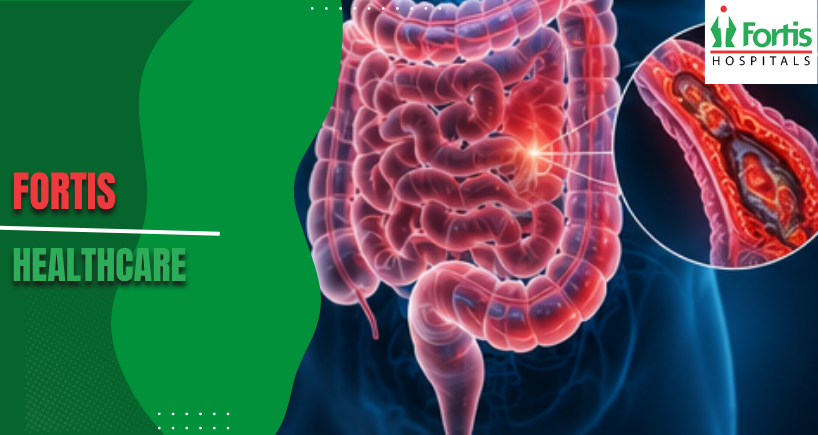


How Delhi NCR Top Gastroenterology Hospitals Are Transforming Crohn Disease Care
Inflammatory bowel disease management has evolved dramatically through biological therapies and personalised treatment approaches. Crohn's disease causes chronic inflammation affecting any gastrointestinal tract section from mouth to anus. Patients face unpredictable disease courses alternating between remission periods and painful flares disrupting daily functioning substantially.
Finding experienced gastroenterology specialists who stay current with rapidly advancing treatment options makes crucial differences in disease control. The best gastroenterology hospital in Delhi NCR provides multidisciplinary care addressing medical, nutritional, and psychological aspects of chronic intestinal inflammation. Understanding available innovations helps patients advocate for optimal management strategies.
Advances in Diagnostic Precision
Modern endoscopy techniques allow detailed mucosal visualisation identifying inflammation extent and severity accurately. Capsule endoscopy reaches small intestine sections traditional scopes cannot access. These wireless cameras capture thousands of images whilst travelling through the digestive tract over eight to ten hours.
Magnetic resonance enterography provides radiation-free imaging showing bowel wall thickness, strictures, and fistula tracts. This technique particularly benefits young patients requiring repeated imaging throughout their lifetimes. The best gastro hospital in India maintains advanced imaging capabilities essential for comprehensive Crohn's disease assessment and monitoring.
Biological Therapy Revolution
Anti-TNF medications like infliximab and adalimumab block inflammatory proteins driving intestinal damage. These drugs induce remission in approximately 60 to 70 percent of patients failing conventional treatments. Subcutaneous injections or intravenous infusions continue indefinitely to maintain disease control.
Vedolizumab targets gut-specific inflammation pathways with fewer systemic immune suppression effects. Ustekinumab blocks different inflammatory proteins, offering alternatives when anti-TNF therapies lose effectiveness. The best gastro surgeon in India collaborates with medical gastroenterologists determining optimal timing for surgical intervention versus advanced medical therapy.
Before starting biologic therapies, screen thoroughly for latent infections and update vaccinations where safe to do so. Tests for latent tuberculosis and hepatitis B reduce avoidable reactivations once immunosuppression begins. Non live vaccines such as seasonal influenza and pneumococcal immunisations should be administered in advance; live vaccines require specialist timing or avoidance. Ongoing vigilance for new infections and prompt treatment preserves the benefits of immune targeting while limiting preventable complications.
Personalised Medicine Approaches
Therapeutic drug monitoring measures medication levels in bloodstream, allowing dose optimisation. Some patients metabolise drugs rapidly, requiring higher or more frequent dosing. Others develop antibodies against biological medications, reducing effectiveness over time.
Genetic testing identifies patients likely to respond to specific drug classes. Pharmacogenomic information guides initial medication selection, avoiding ineffective treatments. This personalisation reduces trial-and-error periods whilst achieving faster disease control.
Access to advanced drugs remains a major barrier for many patients, but practical solutions exist. Biosimilar versions of common biologics lower costs without sacrificing therapeutic intent when prescribed appropriately. Hospitals and patient assistance programmes often negotiate discounts or offer staged payment plans. Early engagement with insurance teams, clear documentation of medical necessity, and exploring government or charitable schemes improve the chance that evidence based therapies reach patients who need them.
Nutritional Management Strategies
Malnutrition affects many Crohn's patients because inflammation impairs nutrient absorption whilst increasing metabolic demands. Dietitians specialising in inflammatory bowel disease create individualised plans addressing specific deficiencies. Vitamin B12, iron, and vitamin D commonly require supplementation.
Exclusive enteral nutrition using liquid formulas induces remission in some patients, particularly children. This approach avoids medication side effects whilst providing complete nutrition. Adults may use partial enteral nutrition supplementing regular diets during flare periods.
Surgical Innovation and Techniques
Bowel-sparing procedures preserve intestinal length whilst removing diseased segments causing obstruction or fistulas. Laparoscopic approaches reduce surgical trauma, allowing faster recovery compared to traditional open operations. Some patients require multiple operations over lifetimes as disease progresses.
Strictureplasty widens narrowed bowel sections without removing tissue. This technique conserves intestinal length, preventing short bowel syndrome in patients with extensive disease. The best gastroenterologist in New Delhi determines optimal surgical timing balancing medical therapy exhaustion against complication risks from delayed intervention.
Managing Extraintestinal Manifestations
Crohn's disease affects joints, skin, eyes, and liver beyond intestinal inflammation. Arthritis causes pain and stiffness requiring coordination with rheumatology specialists. Skin conditions like erythema nodosum or pyoderma gangrenosum need dermatology input.
Eye inflammation threatens vision without prompt treatment using topical or systemic medications. Primary sclerosing cholangitis, a liver condition, occurs more frequently in inflammatory bowel disease patients. Multidisciplinary clinics coordinate care across specialties at the best gastroenterology hospital in Delhi NCR.
Psychological Support Integration
Chronic disease burden contributes to anxiety and depression affecting approximately 30 to 40 percent of Crohn's patients. Stress exacerbates symptoms whilst disease activity worsens mental health, creating difficult cycles. Psychologists specialising in chronic illness help patients develop coping strategies.
Cognitive behavioural therapy addresses catastrophic thinking patterns about disease progression. Mindfulness approaches reduce stress responses that may trigger inflammation. Support groups connect patients facing similar challenges, reducing isolation feelings.
Paediatric Care Considerations
Children diagnosed with Crohn's disease face unique challenges including growth impairment and delayed puberty. Paediatric gastroenterologists balance disease control against medication effects on development. Nutrition becomes particularly crucial because inadequate intake during growth periods causes lasting effects.
Transition programmes help adolescents move from paediatric to adult care systems. The best gastrologist doctor in India provides age-appropriate education ensuring young patients understand their condition and treatment responsibilities. Family involvement remains important whilst promoting patient autonomy gradually.
Reproductive counselling should form part of long term management for people of childbearing potential. Some immunosuppressive drugs require washout before conception; others may be continued under specialist supervision to avoid disease flare during pregnancy. Coordinate care with obstetrics early to tailor medication plans, monitor fetal growth, and choose safe breastfeeding strategies. Clear preconception planning reduces avoidable risks while maintaining disease control during pregnancy.
Monitoring Disease Activity
Faecal calprotectin testing detects intestinal inflammation through stool samples. Rising levels signal disease flares before symptoms become severe. This non-invasive monitoring guides treatment adjustments, preventing complications from uncontrolled inflammation.
Endoscopic surveillance at regular intervals at the best hospital in India assesses mucosal healing, which predicts better long-term outcomes than symptom resolution alone. Biopsies detect microscopic inflammation persisting despite clinical improvement. Achieving mucosal healing represents treatment goals reducing future complication risks.
Remote care tools complement in-clinic assessment by allowing more frequent symptom checks and timely intervention. Faecal calprotectin home kits, smartphone symptom diaries, and secure video consultations enable trend monitoring that flags flares before complications develop. Local laboratories perform interim blood tests while specialists review results virtually, reducing travel burden for patients outside Delhi NCR. These systems preserve continuity of care without replacing essential periodic in-person reviews.
Emerging Therapies and Research
JAK inhibitors represent new oral medication classes blocking inflammatory signalling pathways. Clinical trials show promising results in moderate to severe Crohn's disease. Stem cell therapies aim to reset immune systems in refractory cases.
Microbiome research explores using faecal transplantation or specific bacterial strains to restore healthy gut flora. Dietary interventions like the specific carbohydrate diet show benefits in some patients. The best gastro surgeon in India participates in clinical trials offering access to investigational treatments for appropriate candidates whilst advancing scientific understanding.
Categories
Clear allRelated Blogs
View all
When Is A Liver Transplant Recommended?
Alcoholic Liver Disease - Why Worry?

Binge Drinking Trend Is The New Silent Killer


Irritable Bowel Syndrome

Digestive Disorders And Prevention


FAQs

Keep track of your appointments, get updates & more!

