
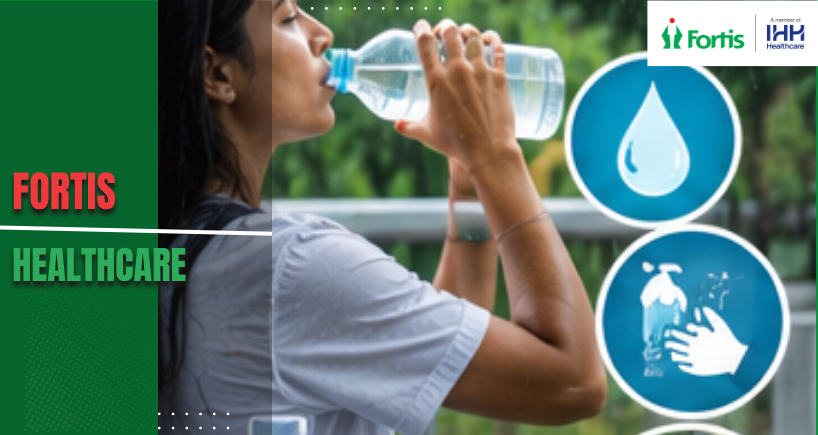


How Delhi Residents Can Protect Themselves From Water Borne Diseases This Monsoon
The monsoon brings relief from Delhi’s summer heat, but heavy rainfall, waterlogging, sewage overflow and contaminated water can increase the risk of water-borne diseases in Delhi. Diseases such as typhoid, cholera, hepatitis A, dysentery and gastroenteritis can spread when drinking water or food becomes contaminated.
For Delhi residents, following basic water safety and hygiene practices during the rainy season can significantly reduce the risk of infection. Knowing the common symptoms of water-borne diseases can also help ensure timely medical care.
This guide explains the common water-borne diseases during the Delhi monsoon, their symptoms, prevention measures and when to seek medical attention.
What Are Water-Borne Diseases?
Water-borne diseases are infections caused by microorganisms that enter the body through contaminated water or food. Bacteria, viruses and parasites can contaminate drinking water through sewage leaks, flooding, damaged pipelines and poor sanitation.
During the monsoon in Delhi, heavy rainfall and waterlogging can increase the possibility of sewage and contaminated water entering water sources. Poorly stored water and inadequate food hygiene can further increase the risk of infection.
Common water-borne diseases include:
- Typhoid fever
- Cholera
- Hepatitis A
- Dysentery
- Gastroenteritis
- Other diarrhoeal infections
Understanding how these infections spread is an important step toward preventing water-borne diseases during monsoon.
Common Water-Borne Diseases in Delhi During Monsoon
Typhoid Fever
Typhoid fever is a bacterial infection caused by Salmonella Typhi. It commonly spreads through food or water contaminated with infected faecal matter.
Symptoms may include:
- Persistent fever
- Headache
- Weakness and fatigue
- Abdominal discomfort
- Loss of appetite
- Diarrhoea or constipation
If symptoms persist or become severe, medical evaluation is important because untreated typhoid can lead to complications.
Cholera
Cholera is a bacterial infection that can cause sudden, severe watery diarrhoea. The resulting loss of fluids and electrolytes can lead to dehydration.
Warning signs include:
- Frequent watery stools
- Vomiting
- Extreme thirst
- Weakness
- Signs of dehydration
Severe dehydration can become dangerous quickly, particularly in young children, older adults and people with underlying health conditions. Immediate medical attention may be necessary.
Hepatitis A
Hepatitis A is a viral infection that affects the liver and can spread through contaminated food and water.
Symptoms can include:
- Fever
- Tiredness
- Nausea or vomiting
- Loss of appetite
- Abdominal discomfort
- Dark urine
- Pale stools
- Yellowing of the skin or eyes
Anyone experiencing symptoms suggestive of hepatitis A should consult a healthcare professional for appropriate evaluation.
Dysentery and Gastroenteritis
Dysentery and gastroenteritis can cause gastrointestinal symptoms after exposure to contaminated food or water.
Common symptoms include:
- Diarrhoea
- Abdominal cramps
- Nausea
- Vomiting
- Fever
- Blood or mucus in stools in some cases
Persistent diarrhoea and vomiting can cause dehydration and may require medical assessment.
How to Prevent Water-Borne Diseases During Monsoon in Delhi
1. Drink Safe and Clean Water
Safe drinking water is one of the most important ways to reduce the risk of water-borne infections.
During the monsoon:
- Drink water from a reliable and safe source.
- Boil water when its safety is uncertain.
- Store drinking water in clean, covered containers.
- Avoid drinking water from potentially contaminated sources.
- Follow local authorities' advisories if water contamination is suspected.
- Clean and maintain household water filters according to the manufacturer's instructions.
If you are unsure about the safety of your water supply, use an appropriate alternative source of drinking water.
2. Wash Your Hands Regularly
Good hand hygiene can help prevent the spread of infections.
Wash your hands thoroughly with soap and safe water:
- Before preparing food
- Before eating
- After using the toilet
- After cleaning children
- After handling waste
- After returning home from outside
Hand hygiene is particularly important during the monsoon when exposure to contaminated surfaces and water may increase.
3. Follow Food Safety Practices
Contaminated food can also transmit water-borne infections.
To reduce the risk:
- Wash fruits and vegetables thoroughly with safe water.
- Eat freshly prepared food whenever possible.
- Keep cooked and raw food separate.
- Avoid uncovered food from unhygienic sources.
- Refrigerate perishable foods appropriately.
- Make sure food is cooked thoroughly.
- Avoid consuming food or beverages prepared using water whose safety cannot be confirmed.
4. Prevent Water Stagnation Around Your Home
Waterlogging and stagnant water can create additional sanitation and vector-control problems.
Residents should:
- Keep drains clear.
- Avoid allowing water to accumulate around the home.
- Repair leaking taps and pipes promptly.
- Keep water storage containers covered.
- Clean household water tanks regularly.
- Dispose of waste properly.
If sewage enters areas used for drinking water or cooking, avoid using the affected water until its safety has been confirmed.
5. Avoid Contact With Floodwater
Floodwater can contain sewage, bacteria, chemicals and other contaminants.
Avoid unnecessary contact with floodwater, particularly when you have cuts or open wounds. If contact occurs, wash the exposed skin thoroughly with clean water and soap.
Children should be discouraged from playing in floodwater or stagnant water.
Water-Borne Disease Symptoms: When Should You See a Doctor?
Recognising symptoms early can help prevent complications.
Seek medical advice if you develop:
- Persistent or high fever
- Severe or persistent diarrhoea
- Repeated vomiting
- Blood in stools
- Severe abdominal pain
- Yellowing of the eyes or skin
- Signs of dehydration
- Extreme weakness or dizziness
- Reduced urination
Children, older adults and people with underlying medical conditions may become dehydrated more quickly and should receive medical attention if significant symptoms develop.
Do not self-medicate with antibiotics. A doctor can determine whether testing or specific treatment is required based on the symptoms and suspected cause.
Delhi Monsoon Health Tips for Families
Families can take a few additional precautions during the rainy season:
- Keep safe drinking water available at home.
- Carry safe drinking water when travelling.
- Teach children not to drink water from unknown sources.
- Keep food covered.
- Maintain clean kitchen surfaces.
- Clean and disinfect water storage containers regularly.
- Keep emergency supplies such as oral rehydration solution available.
- Monitor local weather and public health advisories.
- Know where to seek medical care if symptoms develop.
These simple Delhi monsoon health tips can help reduce exposure to contaminated water and food.
Should You Get Vaccinated Against Water-Borne Diseases?
Vaccination can help protect against certain infections, but vaccines are not available for every water-borne disease.
For example, vaccines are available for typhoid and hepatitis A. Whether vaccination is appropriate depends on factors such as age, medical history, exposure risk, travel plans and local recommendations.
Speak with a healthcare professional to determine which vaccinations may be appropriate for you or your family.
How to Stay Safe During Heavy Rainfall and Flooding in Delhi
During periods of heavy rainfall:
- Follow official public health and municipal advisories.
- Avoid flooded roads and areas with visible sewage contamination.
- Do not use water that may have been contaminated by floodwater.
- Check drinking-water sources after flooding.
- Keep children away from stagnant or floodwater.
- Seek medical advice if symptoms of infection develop.
Taking precautions before and during extreme rainfall can reduce the risk of exposure to contaminated water.
Protect Your Family From Water-Borne Diseases This Monsoon
Water-borne diseases can often be prevented through safe drinking water, proper food hygiene, regular handwashing and responsible water storage. These precautions become especially important during the Delhi monsoon, when heavy rainfall and waterlogging can increase sanitation challenges.
Pay attention to symptoms such as persistent fever, diarrhoea, vomiting, dehydration or jaundice. If symptoms are severe or do not improve, consult a healthcare professional rather than delaying treatment.
By making water safety and hygiene part of your daily routine, you can help protect yourself and your family throughout the rainy season.
Categories
Clear allMeet the doctor

- Gastroenterology and Hepatobiliary Sciences | Gastroenterology | Gastroenterology and Hepatobiliary Sciences
-
 5 Years
-
 1250
1250
Related Blogs
View all
When Is A Liver Transplant Recommended?
Alcoholic Liver Disease - Why Worry?

Binge Drinking Trend Is The New Silent Killer

Irritable Bowel Syndrome

Digestive Disorders And Prevention

FAQs
What are the common water-borne diseases during monsoon in Delhi ?
Common water-borne infections include typhoid, cholera, hepatitis A, dysentery and gastroenteritis. These infections can spread through contaminated food or water.
How can I prevent water-borne diseases during the Delhi monsoon?
Drink safe water, maintain good hand hygiene, wash food with safe water, avoid potentially contaminated food and water, keep water storage containers clean and covered, and avoid contact with floodwater.
Does boiling water prevent water-borne diseases?
Boiling water can make microbiologically contaminated water safer by killing many disease-causing microorganisms. However, boiling does not remove every possible chemical contaminant, so the source and quality of water also matter.
What are the early symptoms of water-borne diseases?
Symptoms vary by infection but may include diarrhoea, vomiting, abdominal pain, fever, weakness and dehydration. Hepatitis A can cause jaundice, dark urine and loss of appetite.

Keep track of your appointments, get updates & more!

