
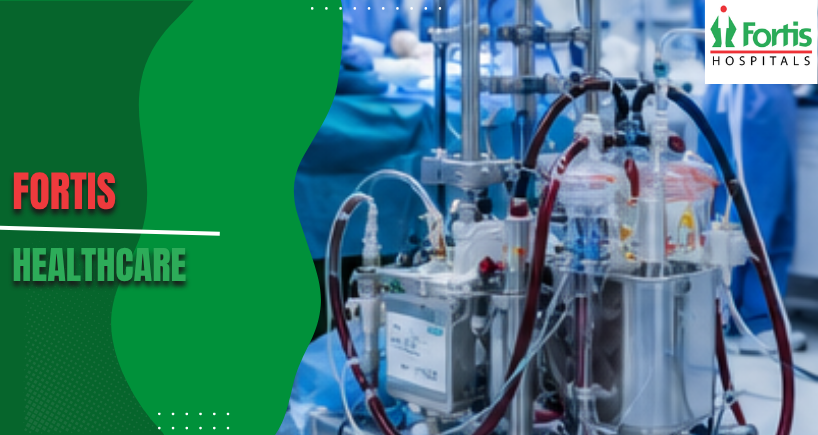


How ECMO Machines Assist During High Risk Surgeries The Future of Intraoperative Cardiopulmonary Support
When an operation carries a high risk of respiratory or cardiac collapse, surgical teams need reliable ways to sustain oxygen delivery and perfusion. Extracorporeal membrane oxygenation, shortened to ECMO, provides temporary life support by oxygenating blood outside the body and maintaining circulation while surgeons correct the underlying problem. For selected high risk procedures, intraoperative ECMO expands what teams can attempt safely and reduces the immediate danger of organ hypoxia.
ECMO differs from traditional heart lung machines in flexibility and purpose. It can support only the lungs, only the circulation, or both depending on configuration. That adaptability lets clinicians choose support that matches the operation and the patient’s physiology; it exists alongside other advanced technologies such as gamma knife surgery in India, which address entirely different clinical needs. Because ECMO extends the margin of safety for fragile patients, advanced centres include it among intraoperative rescue options.
When ECMO Is Considered During Surgery
Teams consider ECMO when conventional ventilation or circulatory support might fail during the procedure. Common indications include complex thoracic resections, tracheal reconstructions, lung transplantation, high risk cardiac operations, and certain airway or vascular emergencies. ECMO also acts as an emergency salvage tool when reperfusion injuries or sudden respiratory failure occur during surgery.
ECMO Configurations And Cannulation Strategies
Two main configurations are used. Veno arterial ECMO supports both heart and lungs and is chosen when hemodynamic collapse is anticipated. Veno venous ECMO supports oxygenation alone and suits cases where ventilation cannot be maintained, such as some airway surgeries. Cannulation can be peripheral using femoral and jugular access for rapid deployment or central when higher flows and direct cardiac access are required. Choice of cannulation balances speed, surgical exposure, flow requirements and the risk of limb ischemia.
How ECMO Changes The Operating Room Dynamic
Using ECMO alters intraoperative priorities. Surgical teams plan access to avoid interfering with cannulae, anesthesiologists coordinate anticoagulation and ventilator settings, and perfusion or ECMO specialists manage pump settings and circuit safety. Continuous monitoring includes circuit flows, arterial pressures and blood gases sampled from native and circuit sites. Backup plans for circuit failure, rapid recannulation or conversion to cardiopulmonary bypass are rehearsed before incision.
Benefits Compared With Cardiopulmonary Bypass
ECMO circuits are generally simpler than cardiopulmonary bypass systems; they have less blood air interface and do not include a cardiotomy reservoir. These differences often translate into lower systemic inflammation and the possibility of continuing support after surgery without immediate decannulation. For selected thoracic and transplant cases, studies report similar or improved short term outcomes with intraoperative ECMO compared with bypass. That makes ECMO an attractive option when prolonged postoperative support is anticipated.
Practical Anticoagulation And Blood Management
Anticoagulation is a central challenge during ECMO supported surgery. Most teams use a heparin bolus at cannulation and then titrate using activated clotting time or activated partial thromboplastin time targets to reduce thrombosis while limiting bleeding. Teams also set hemoglobin and platelet thresholds to guide transfusions during lengthy procedures. Detailed perioperative protocols and rapid access to blood products reduce the risk of catastrophic hemorrhage.
ECMO In Thoracic Surgery And Transplantation
ECMO has expanded possibilities in thoracic surgery. It allows resections and reconstructions in patients who would otherwise be inoperable, and it supports lung transplantation when donor or recipient conditions are marginal. Data from transplant centres show that perioperative ECMO reduces primary graft dysfunction and can improve early graft survival in carefully selected patients. That protective effect during reperfusion is a key reason many centres plan ECMO proactively in high risk transplant cases.
Midway through the treatment pathway, multidisciplinary institutions coordinate surgical, pulmonary, anesthetic and critical care teams to optimize outcomes. The Best Hospital in India runs dedicated perioperative ECMO programmes that link the operating theatre to intensive care and rehabilitation, supporting smoother transitions and integrated postoperative plans.
Risks, Complications And Their Management
ECMO carries known risks: bleeding, thromboembolism, limb ischemia at cannulation sites, hemolysis and infection. Early detection depends on vigilant monitoring, ultrasound assessment of cannula positions and close coagulation surveillance. Surgical teams plan for rapid control of bleeding, temporary reduction of anticoagulation when safe, and limb perfusion protocols to reduce ischemic complications. Postoperative neurologic checks and infection surveillance are routine after ECMO supported operations.
Institutional Readiness And Team Training
Operating room ECMO demands experienced perfusionists or ECMO specialists, anesthesiologists familiar with extracorporeal physiology, and surgeons skilled in cannulation. Simulation training, clear checklists and defined team roles shorten deployment time and reduce errors. High volume centres develop standardized ECMO carts, equipment redundancy and rapid lab and blood bank pathways to support complex cases reliably. Institutional training, morbidity review and continuous quality improvement are essential for safe programmes.
Evidence Base And Ongoing Research
Most evidence for intraoperative ECMO comes from observational series and institutional reports. These studies show that perioperative ECMO stabilizes patients and can reduce early graft dysfunction in transplant populations, but outcomes depend heavily on patient selection and centre experience. Randomized comparisons with cardiopulmonary bypass are limited; ongoing research aims to refine indications, compare outcomes across settings and identify which patients derive the most benefit.
Future Directions
Advances in pump design, more durable oxygenators and improved anticoagulation monitoring are making ECMO safer and easier to integrate into hybrid operating rooms. Mobile ECMO teams and streamlined logistics allow faster deployment for emergencies and planned high risk cases. As devices become more compact, more centres may offer intraoperative support.
Questions Patients Should Ask Teams
When surgery may require ECMO, patients should ask whether support is planned or rescue only, request audited institutional outcomes, and confirm perfusion and intensive care coverage. Also ask about anticoagulation protocols, expected ICU stay and rehabilitation pathways. Clear answers help set realistic expectations and support shared decision making.
Related Advanced Therapies Clarified
Different advanced therapies solve different problems. Technologies like stereotactic radiosurgery are focused on controlled tissue ablation. For example, gamma knife surgery in india and the gamma knife surgery procedure provide high precision radiation for brain and skull base lesions. Terms used interchangeably in some sources such as gamma ray knife surgery or gamma ray surgery refer to the same radiosurgical concept and are distinct from extracorporeal life support. Choosing the right advanced therapy for the disease is essential.
Preparing For Surgery And Follow Up
Before surgery, confirm how ECMO will affect transfusion needs, mobility, and rehabilitation. Understand postoperative monitoring plans, likely duration of support and follow up schedules for anticoagulation and wound care. Centres that combine preoperative education with coordinated outpatient follow up and rehabilitation improve recovery and long term function. Bring a family member to key preoperative meetings.
ECMO broadens what surgical teams can safely attempt, but it is an advanced therapy that requires specialised teams and infrastructure. When high risk surgery is under consideration, choosing a centre with established ECMO experience, audited outcomes and clear perioperative pathways gives the best chance for safe recovery and durable results and rehabilitation.
Categories
Clear allRelated Blogs
View all






FAQs

Keep track of your appointments, get updates & more!

