
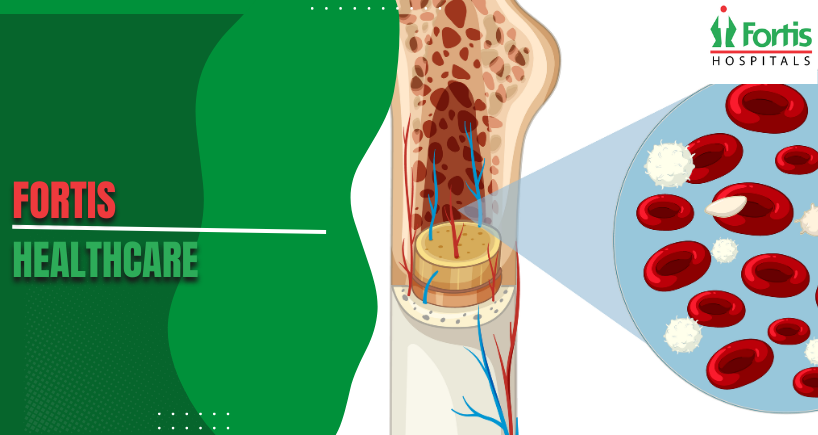


How Ewing Sarcoma Is Different from Other Bone Cancers
When families hear the word cancer in relation to bones, it is easy to assume that all bone cancers behave in the same way. In reality, important differences exist between conditions, especially when it comes to ewing disease. Understanding how ewing sarcoma differs from other bone cancers helps families better follow medical explanations and treatment decisions.
Doctors approach diagnosis and care differently depending on the type of bone cancer involved. While symptoms may overlap, the underlying biology, growth patterns, and treatment strategies for ewings sarcoma set it apart from other bone related cancers in meaningful ways.
Understanding Bone Cancer as a Broad Category
Bone cancer refers to cancers that begin in bone tissue rather than spreading from another organ. These cancers are grouped under sarcoma cancer, as they arise from connective tissues. Each type within this group has distinct cellular characteristics that influence how it grows and responds to treatment.
Because bone cancers are rare overall, families often encounter unfamiliar terms and classifications. Learning how Ewing sarcoma fits within this broader category creates a clearer framework for understanding medical discussions.
Where Ewing Sarcoma Usually Develops
Ewing sarcoma most commonly affects children, teenagers, and young adults. It often develops in long bones such as the thigh or upper arm, as well as flat bones like the pelvis or ribs. This age pattern is one of the first features that distinguishes it from other bone cancers.
Other bone cancers, such as osteosarcoma, may also affect young people, but their age range and growth behavior differ. Recognizing these patterns helps doctors narrow down diagnoses early.
Cellular Differences That Matter
At the cellular level, ewings sarcoma cancer has unique features that separate it from other bone tumors. The cancer cells behave differently and respond to treatment in distinct ways, which is why accurate diagnosis is critical.
Other bone cancers have their own cellular markers and growth signals. These differences explain why treatment plans are not interchangeable across bone cancer types.
How Symptoms Compare Across Bone Cancers
Many bone cancers share similar warning signs, including pain, swelling, and reduced movement. These shared sarcoma symptoms often make early diagnosis challenging without imaging and biopsy.
However, ewing sarcoma symptoms often develop more gradually and may worsen at night or during activity. Fever or fatigue may also appear earlier compared to some other bone cancers, adding another layer of distinction.
Differences in How Quickly Tumors Grow
Growth rate is another key difference. Ewing sarcoma often grows quickly, which is why doctors take persistent symptoms seriously. Rapid growth increases the need for early evaluation and prompt treatment.
Other bone cancers may grow at different speeds, sometimes allowing more time before symptoms become severe. Growth behavior influences how urgently doctors move through the diagnostic process.
Patterns of Spread in Ewing Sarcoma
Ewing sarcoma has characteristic patterns of spread that guide testing and monitoring. The lungs and other bones are common areas doctors watch closely during evaluation and treatment.
Other bone cancers may spread differently or less frequently to certain areas. Understanding these patterns helps families see why specific scans are ordered and repeated throughout care.
How Causes Differ Between Bone Cancers
Families often ask whether causes differ between bone cancers. Ewings sarcoma causes involve specific cellular changes that occur randomly and are not inherited. These changes affect how cells grow and divide.
Other bone cancers may involve different cellular pathways or risk factors. When doctors discuss ewing's sarcoma causes, they emphasize that these changes are not linked to injury, lifestyle, or family history.
Why Diagnosis Requires Precision
Because symptoms overlap, diagnosis relies heavily on imaging and biopsy. Doctors must distinguish Ewing sarcoma from other bone cancers to ensure correct treatment. A biopsy allows specialists to examine cells and confirm the exact cancer type.
Mistaking one bone cancer for another can lead to ineffective treatment. Precision at this stage protects patients from unnecessary procedures and improves outcomes.
Differences in Treatment Approach
Treatment strategies reflect these biological differences. Ewing sarcoma treatment typically relies heavily on chemotherapy early in care, even before surgery or radiation. This approach addresses both visible tumors and microscopic disease.
Other bone cancers may emphasize surgery first, depending on tumor behavior. These differences explain why families hear different treatment sequences for different diagnoses.
How Treatment Response Varies
Ewing sarcoma often responds well to chemotherapy, which is why it plays such a central role in care. Doctors monitor response closely through imaging and symptom changes.
Other bone cancers may respond differently to chemotherapy or rely more on surgical removal. Response patterns shape long term treatment planning and follow up care.
Role of Ongoing Research
Research continues to refine how doctors treat all bone cancers. Families may hear about ewing's sarcoma new treatment approaches being studied to improve outcomes or reduce side effects.
These advances are specific to each cancer type. What works for one bone cancer may not apply to another, reinforcing the importance of accurate diagnosis.
How Age Influences Care Differences
Age plays a significant role in how bone cancers are managed. Ewing sarcoma primarily affects younger patients, which influences treatment intensity, side effect management, and long term monitoring.
Bone cancers in older adults often involve different considerations, including other health conditions. Age related differences shape every stage of care.
Long Term Outlook and Follow Up
Follow up care varies depending on cancer type and treatment received. For ewing disease, long term monitoring focuses on detecting recurrence and managing late effects of therapy.
Other bone cancers may require different follow up schedules or tests. Understanding these distinctions helps families prepare for long term care expectations.
Emotional Impact of Differentiation
Learning that one bone cancer differs from another can be emotionally complex. Families often search for comparisons to understand prognosis and outcomes.
Doctors emphasize that each case is individual. Comparing diagnoses across cancer types rarely provides accurate expectations and may increase anxiety unnecessarily.
Why These Differences Matter to Families
Understanding how ewing sarcoma differs from other bone cancers helps families engage more confidently in care. It clarifies why certain tests, treatments, and timelines are recommended.
Knowledge reduces fear of the unknown. When families understand the reasoning behind medical decisions, they feel more supported and involved.
Moving Forward With Clear Perspective
While all bone cancers are serious, they are not the same. Recognizing the unique features of ewing sarcoma allows families to focus on the care path designed specifically for this condition.
Clear understanding supports better communication, informed decision making, and steadier emotional grounding. With accurate information and coordinated care, families can move forward through treatment with clarity and purpose rather than confusion.
Categories
Clear allRelated Blogs
View all








Keep track of your appointments, get updates & more!

