
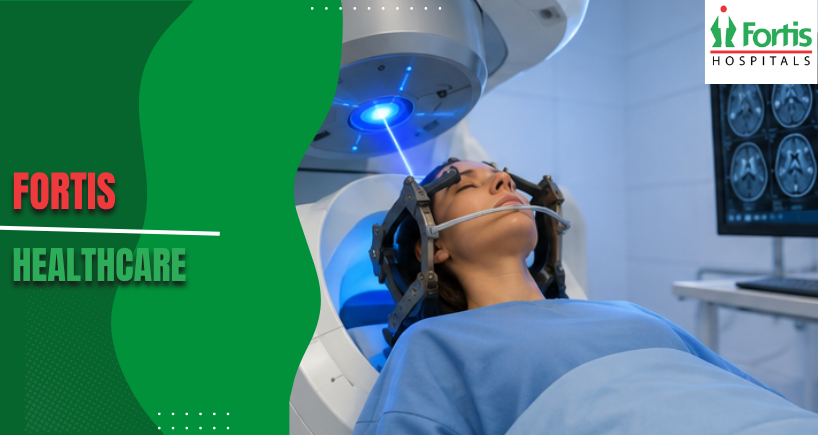


How Gamma Knife Surgery in India Is Transforming Treatment for Acoustic Neuromas
Acoustic neuromas develop on the balance nerve connecting your inner ear to the brain. These non-cancerous growths expand slowly but press against surrounding nerve structures causing progressive symptoms. Traditional management relied on surgical removal or observation protocols with delayed intervention. Modern radiation techniques now offer tumor control without skull opening surgery or prolonged recovery periods.
Gamma knife surgery in India has expanded significantly over the past decade with multiple centers achieving international standards. You access this technology without extensive waiting periods or prohibitive costs common elsewhere. Treatment outcomes match global benchmarks while reducing financial burden substantially. Indian centers now manage complex acoustic neuroma cases previously requiring overseas referral.
Acoustic Neuroma Growth Characteristics
These tumors originate from nerve covering cells surrounding the hearing nerve within the inner ear canal. Your tumor typically expands toward the brain area pressing adjacent brainstem structures. Growth rates average one to two millimeters annually but vary considerably between individuals. Some tumors remain stable for years while others progress rapidly requiring intervention.
Tumor size classification uses maximum diameter measurements on magnetic resonance imaging. You fall into the small category when the diameter remains under fifteen millimeters. Medium tumors measure fifteen to twenty five millimeters while large lesions exceed this threshold. Size determination influences treatment selection and outcome predictions across management strategies.
Symptom Progression Patterns
Hearing loss represents the initial presentation in ninety percent of acoustic neuroma cases. Your hearing decline typically affects high frequencies first before progressing to speech understanding. Ringing in ears accompanies hearing changes in seventy percent of patients at diagnosis. Balance disturbances emerge as tumors enlarge and press against balance nerve parts.
Facial numbness develops when tumors extend forward contacting the facial sensation nerve. You may experience facial weakness if the facial movement nerve suffers pressure. Large tumors cause brainstem pressure producing fluid buildup in the brain and life threatening brain deterioration. Symptom severity correlates imperfectly with tumor size as small lesions sometimes cause disproportionate problems.
Traditional Surgical Approach Limitations
Surgical removal through skull opening surgery remains necessary for specific acoustic neuroma presentations. Your surgery requires several hours under general anesthesia with significant surgery-related risks. Facial nerve preservation challenges surgeons particularly when tumors stick to nerve structures. Hearing preservation attempts succeed in only thirty to fifty percent of appropriately selected cases.
Recovery extends over weeks to months with prolonged hospitalization for larger tumor removals. You face nerve injury risks including permanent facial paralysis and complete hearing loss. Brain fluid leaks complicate ten to fifteen percent of cases requiring additional procedures. These factors drive interest in less invasive alternatives when tumor characteristics permit.
Radiation Treatment Mechanism of Action
Gamma ray surgery delivers precisely focused radiation beams that converge on the tumor target. Your surrounding brain tissue receives minimal radiation as beams pass individually through different paths. Convergence creates high dose concentration within the tumor while sparing adjacent structures. Radiation induces cell damage preventing further tumor cell division and growth.
Tumor control occurs through growth arrest rather than immediate size reduction. You undergo serial imaging showing stable or slowly decreasing tumor dimensions over months. The gamma knife surgery procedure achieves control rates exceeding ninety percent in appropriately selected patients.
Treatment Planning Process
Imaging acquisition for radiation treatment requires high resolution magnetic resonance scans with contrast dye. Your planning team combines these images with computed tomography for precise location determination. Brain surgeons and radiation specialists collaborate defining tumor edges and critical structure boundaries. Dose calculations optimize radiation distribution maximizing tumor coverage while protecting hearing and facial nerves.
Target dose selection balances tumor control probability against complication risks. You typically receive twelve to thirteen gray at the tumor margin for acoustic neuromas. Higher doses increase control rates but elevate facial nerve and hearing preservation complication risks. Planning sessions may require several hours ensuring optimal treatment parameter selection.
Frame Based Targeting Technique
Traditional gamma knife surgery in India uses rigid head frame attachment for very precise targeting accuracy. Your frame attachment occurs under local numbing medicine on treatment morning before imaging. Four pins secure the frame to your skull providing stable location reference throughout planning. Frame based systems achieve positioning accuracy within half millimeter tolerances essential for brainstem proximity.
Treatment delivery occurs with you positioned on the treatment table inside the gamma knife unit. The procedure itself causes no sensation as radiation passes through tissue without feeling. Session duration ranges from thirty minutes to two hours depending on treatment complexity. Frame removal happens immediately after completion allowing same day discharge in most cases.
Mask Based Treatment Options
Newer systems use image guidance and plastic face masks replacing invasive frame attachment. Your positioning relies on real time imaging that adjusts for small movements during treatment. Mask based approaches offer comparable accuracy for most acoustic neuroma configurations. Treatment comfort improves substantially without frame pin sites requiring healing time.
Some centers prefer mask techniques for elderly patients or those with medical reasons against frames. You may receive divided treatment over multiple sessions rather than single dose delivery. Division potentially reduces complication rates though control outcomes require longer follow up assessment. The Fortis Memorial Research Institute - Gurgaon offers both frame based and mask based radiation treatment options.
Hearing Preservation Outcomes
Useful hearing preservation represents a primary goal in acoustic neuroma radiation treatment. Your baseline hearing function strongly predicts post treatment hearing outcomes. Patients with good pretreatment hearing maintain useful function in seventy to eighty percent. Hearing deterioration occurs gradually over years following treatment rather than immediately.
Inner ear dose limitation improves hearing preservation rates in planning studies. You benefit when radiation specialists limit dose to inner ear structures below critical thresholds. Tumor location relative to inner ear influences achievable dose reduction strategies. Tumors directly contacting the hearing nerve provide limited sparing opportunities despite optimal planning.
Facial Nerve Function Maintenance
Facial nerve preservation exceeds ninety five percent in modern radiation treatment series. Your risk increases with larger tumor volumes and higher radiation doses. Delayed facial weakness can develop months to years after treatment in rare cases. Most facial problems resolve spontaneously though complete recovery sometimes requires extended periods.
Facial sensation nerve injury causing facial numbness occurs less frequently than facial movement complications. You face approximately five percent risk of developing troublesome facial sensory changes. Symptoms typically manifest within two years of treatment completion. Severe facial pain remains uncommon affecting fewer than two percent of treated patients.
Tumor Growth Control Rates
Five year control rates exceed ninety percent for small to medium acoustic neuromas. Your tumor demonstrates stable or decreased size on surveillance imaging following successful treatment. Growth control means tumor dimensions remain within two millimeters of baseline measurements. True tumor shrinkage occurs in forty to sixty percent of cases over extended follow up.
Large tumors show lower control rates around eighty five percent requiring careful patient counseling. You may need backup surgical removal if continued growth occurs after radiation treatment. Retreatment with additional radiation remains possible in selected cases with adequate brainstem clearance. Control failures typically manifest within the first three years of follow up imaging.
Post Treatment Monitoring Protocol
Magnetic resonance imaging occurs at six month intervals initially then annually after stability confirmation. Your scans may show temporary tumor enlargement within the first year following treatment. This false progression reflects treatment effect rather than true growth requiring careful imaging interpretation. Continued expansion beyond eighteen months suggests treatment failure warranting intervention consideration.
Hearing testing occurs alongside imaging to document hearing function trajectories. You undergo balance function assessment if balance symptoms develop during follow up. Brain examination tracks facial nerve and facial sensation nerve function at each visit. Long term surveillance continues indefinitely given delayed complication possibilities.
Cost Considerations and Accessibility
Gamma knife surgery in India costs approximately one fifth of equivalent treatment in Western countries. Your total expenses including consultation, imaging, treatment, and initial follow up remain affordable. Insurance coverage varies but many policies now reimburse stereotactic radiation treatment procedures. Government insurance schemes increasingly include this technology within approved treatment lists.
Geographic access continues expanding as additional centers establish gamma knife facilities nationwide. You find multiple treatment options within major metropolitan areas across the country. Travel for treatment remains necessary from smaller cities but single session delivery limits displacement. Cost accessibility allows earlier intervention preventing tumor growth into surgical size ranges.
Categories
Clear allRelated Blogs
View all

Head Injury: Better Be Safe Than Sorry



Traumatic Brain Injury: Symptoms, Causes and Management





FAQs

Keep track of your appointments, get updates & more!

