
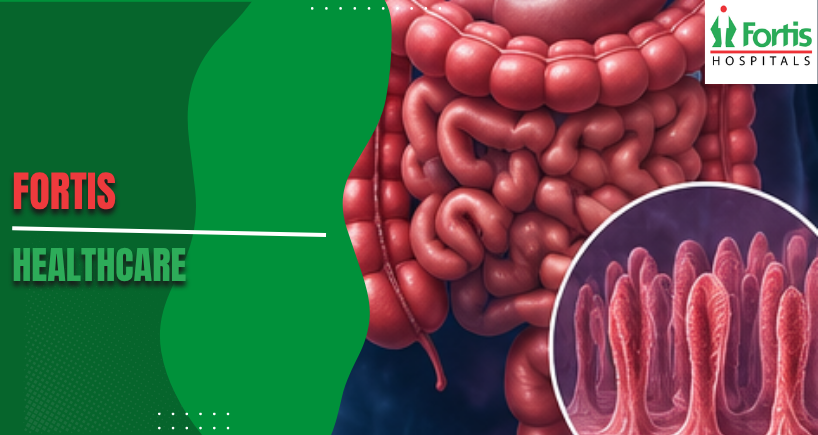


How Gut Disorders Like IBD Celiac Disease Lead to Low Hemoglobin
Dealing with chronic digestive problems is exhausting enough. When you add constant fatigue to the mix, life gets even harder. If you have inflammatory bowel disease or celiac disease, that tiredness might not just be from gut issues. It could be low hemoglobin developing as a complication.
Why Your Gut Affects Blood Production
Your intestines do more than digest food. They absorb nutrients your body needs to make red blood cells. Iron, vitamin B12, and folate all get absorbed in your small intestine. When IBD or celiac disease damages the intestinal lining, absorption gets compromised. Without raw materials, your bone marrow cannot make enough hemoglobin.
Visual Art & Design
This malabsorption represents one of the main causes of low hemoglobin in people with gut disorders. Even eating iron-rich foods might not help if damaged intestines cannot pull those nutrients out effectively.
The IBD Connection
Inflammatory bowel disease creates multiple pathways to anemia. Chronic inflammation leads to blood loss from ulcerated areas. You might not see obvious bleeding, but microscopic amounts add up over weeks, depleting iron stores.
Inflammation also messes with how your body uses iron. A protein called hepcidin blocks iron absorption while trapping iron inside storage cells. You can have adequate iron, but it is locked away where bone marrow cannot reach it. Doctors call this anemia a chronic disease.
The reasons for low hemoglobin in IBD extend beyond iron. Some medications suppress bone marrow slightly. Frequent diarrhea washes nutrients through before absorption happens. Dietary restrictions may limit nutrient intake too.
How Celiac Disease Affects Blood
Celiac disease damages the small intestine specifically. Those finger-like villi that help absorption become flattened when you eat gluten. This hits the upper small intestine hard, right where iron gets absorbed most efficiently.
Folate and B12 absorption suffer when lining is damaged. B12 deficiency takes longer since your liver stores years’ worth. Once stores deplete though, you develop different anemia with large, immature red blood cells. This explains the causes of low red blood cells in celiac patients.
The tricky part is symptoms can be subtle. Some have obvious digestive issues, others mainly experience fatigue without major gut symptoms. Unexplained iron deficiency not responding to supplements should prompt celiac consideration.
Recognizing the Symptoms
Anemia develops gradually, making it easy to miss. You might blame fatigue on your underlying disease or busy schedule. Certain signs suggest hemoglobin has dropped too low though.
Unusual breathlessness with previously manageable activities serves as a common indicator. Stairs get harder. Walking distances now leave you gasping. Some notice heart racing even at rest as it compensates for reduced oxygen capacity.
Pale skin in nail beds and inner eyelids can signal anemia. Dizziness when standing, trouble concentrating, and feeling cold point toward insufficient hemoglobin. For elderly patients, these might get dismissed as aging, but causes of low hemoglobin in elderly individuals with gut disorders are often treatable.
Diagnosis and Testing
Your doctor checks several blood markers. Complete blood count shows hemoglobin level and red blood cell appearance. Iron studies measure serum iron, ferritin, and transferrin saturation, distinguishing true iron deficiency from anemia of chronic disease.
B12 and folate get checked if cells appear larger than normal. Inflammatory markers gauge disease activity. Stool tests detect hidden blood loss.
Treatment Approaches
Addressing anemia requires treating both intestinal disease and nutritional deficiencies. Getting IBD inflammation controlled often improves anemia before targeted treatment begins. For celiac patients, strict gluten avoidance allows lining to heal, restoring absorption.
Iron supplementation is frequently needed. Oral iron works for some but worsens digestive symptoms in others. Intravenous iron bypasses damaged intestines entirely, replenishing stores faster than months of pills.
B12 deficiency usually requires injections initially. Once levels normalize and lining heals, some maintain levels with high-dose oral or sublingual forms.
Finding Comprehensive Care
Managing the connection between digestive disease and anemia requires coordination between specialties. Centers specializing in inflammatory bowel disease understand these complications well.
Best Hematology Hospital in India offers specialized gastroenterology services with attention to systemic complications gut disorders create. Their teams recognize successfully managing IBD and celiac disease means addressing not just intestinal symptoms but nutritional consequences too.
Understanding these causes of low hemoglobin empowers you to work effectively with providers. Anemia does not have to be inevitable with gut disease. With appropriate management, most patients restore healthy hemoglobin and regain energy.
Categories
Clear allRelated Blogs
View all
When Is A Liver Transplant Recommended?
Alcoholic Liver Disease - Why Worry?

Binge Drinking Trend Is The New Silent Killer


Irritable Bowel Syndrome

Digestive Disorders And Prevention

FAQs

Keep track of your appointments, get updates & more!

