
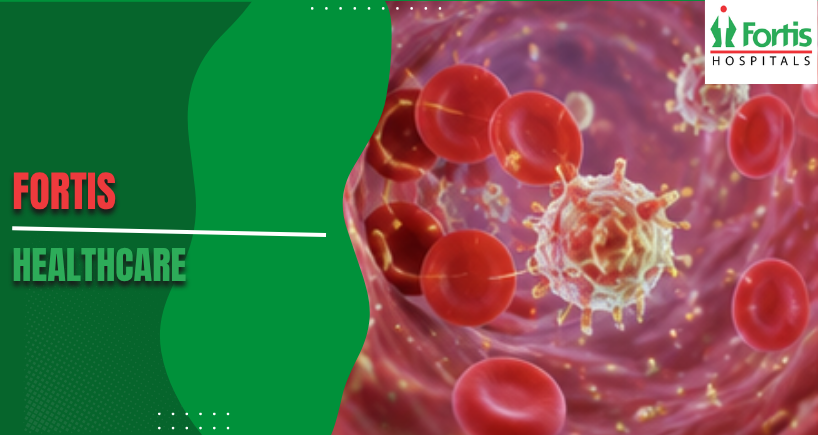


How Infections and Chronic Inflammation Reduce Hemoglobin Levels
Low hemoglobin often appears quietly on a routine blood test, yet it has real effects on energy, thinking and daily life. When infection or ongoing inflammation is at work, the cause is rarely a single missing nutrient; it is more often a set of changes that block red cell production and shorten red cell lifespan.
Clinicians see many reasons for low hemoglobin, and inflammatory processes sit near the top of that list. Understanding how infections and chronic inflammation interfere with iron handling, marrow function and red cell survival helps explain why simple iron tablets sometimes do not fix the problem.
How Inflammation Interferes With Red Cell Production
Inflammation changes the body’s priorities. The immune system signals the liver and bone marrow to alter iron traffic and slow new red cell production, which reduces the amount of available hemoglobin.
Key Points
Inflammatory cytokines raise hepcidin, which traps iron in storage sites and limits absorption.
Bone marrow receives signals to down regulate red blood cell formation during prolonged inflammation.
Oxidative stress shortens red cell lifespan so circulating cells break down sooner than usual.
Chronic inflammation often combines nutritional deficits and reduced appetite, worsening anemia.
When inflammation is controlled, these processes often reverse and hemoglobin tends to recover, though recovery may be slow in prolonged disease.
Common Infectious Causes That Lower Hemoglobin
Infections can reduce hemoglobin by bleeding, by marrow suppression, or by provoking systemic inflammation that disrupts iron use. Some infections are more likely to have persistent effects.
Key Points
Chronic bacterial infections like tuberculosis cause sustained inflammatory responses that limit iron availability.
Recurrent urinary tract or gastrointestinal infections may lead to occult blood loss and iron depletion.
Viral infections including hepatitis viruses can affect liver function and iron handling.
Parasitic infestations such as hookworm cause direct blood loss and contribute to chronic iron deficiency.
Identifying specific infectious causes matters because treating the infection often removes the inflammatory block and allows hemoglobin to improve.
Chronic Inflammatory Conditions That Drive Anemia
Many non infectious conditions create a similar inflammatory environment that reduces hemoglobin. These are common reasons for low hemoglobin in elderly people and others with long term disease.
Key Points
Rheumatoid arthritis frequently causes anemia of chronic disease through persistent cytokine activity.
Inflammatory bowel disease both reduces absorption and sustains systemic inflammation that traps iron.
Chronic kidney disease reduces erythropoietin production and adds an inflammatory component to anaemia.
Chronic lung disease and heart failure can produce low grade inflammation that affects red cell production.
In older adults, multiple chronic conditions often overlap, so causes of low hemoglobin in elderly patients are frequently multifactorial and need broad assessment.
How Inflammation Changes Iron Handling in the Body
Iron is essential for hemoglobin, but inflammation reroutes iron away from the bloodstream into storage, where it cannot support new red cell formation. That mechanism explains why iron tests can look misleading.
Key Points
Hepcidin rises during inflammation and blocks iron release from liver and macrophages.
Serum ferritin may be normal or high despite functional iron deficiency because ferritin is an acute phase reactant.
Transferrin saturation falls as circulating iron is reduced, limiting availability for red cell synthesis.
Oral iron is often less effective when hepcidin remains elevated, making IV iron a consideration in selected cases.
Understanding these shifts helps clinicians choose appropriate tests and treatments rather than assuming simple dietary deficiency.
How Doctors Evaluate Anemia When Inflammation Is Suspected
A focused approach separates nutritional lack from inflammation driven changes and looks for treatable causes such as occult infection or bleeding.
Key Points
Full blood count and red cell indices provide the first clues about the anemia type.
Ferritin, transferrin saturation and C reactive protein help distinguish iron deficiency from inflammatory sequestration.
Tests for infection or imaging may follow when symptoms or blood tests point to a specific source.
Bone marrow biopsy is reserved for cases where marrow infiltration or failing production is suspected.
The step by step assessment reduces the risk of missed diagnoses and avoids inappropriate treatment that may not work.
Clinical Consequences of Inflammation Related Anemia
Low hemoglobin in the setting of chronic inflammation affects more than energy. It changes treatment tolerance and prognosis in many chronic diseases.
Key Points
Fatigue and reduced exercise tolerance commonly limit daily activities and quality of life.
Poor haemoglobin levels may reduce tolerance to surgery and complicate chemotherapy or other treatments.
In elderly patients anaemia increases risk of falls, cognitive decline and longer hospital stays.
Persistent anemia also raises the need for transfusion and for closer clinical monitoring.
Addressing the inflammatory driver is often central to improving these outcomes and reducing complications.
Treatment Strategies When Inflammation Is the Main Driver
Treatment combines managing the underlying cause with targeted measures to support red cell production when needed.
Key Points
Control the infection or inflammatory condition first, which often leads to gradual hemoglobin improvement.
Consider intravenous iron when oral iron fails because inflammation limits absorption and effectiveness.
Erythropoiesis stimulating agents may be used selectively, particularly when kidney disease lowers erythropoietin.
Transfusion is reserved for severe or symptomatic anaemia and as a bridge while other treatments take effect.
A measured plan balances risks and benefits, and often includes nutrition support, treatment of comorbidities and close follow up.
Special Considerations in Older Adults
Older patients commonly have multiple conditions that contribute to low hemoglobin, so management needs to be tailored rather than generic.
Key Points
Polypharmacy and reduced gastric acidity commonly impair nutrient absorption in older adults.
Coexisting inflammation and chronic disease make recovery slower and more complex.
Lower hemoglobin thresholds may still have major functional impact in frail elderly patients.
A geriatric assessment helps define priorities and avoids overly aggressive interventions when inappropriate.
Clinical judgement and shared decision making are essential because goals of care may differ with age and comorbidity.
What This Means for Patients and Families
If hemoglobin remains low despite iron tablets, check for infection or ongoing inflammation rather than simply increasing doses. Treating the underlying illness often unblocks iron use and restores red cell production, though recovery may be gradual and needs follow up.
Talk with your clinician about which tests make sense, what to expect from treatment, and how lifestyle changes such as diet and infection prevention can support recovery. Small steps combined with targeted therapy often yield meaningful improvement in energy and daily function over time.
Categories
Clear allRelated Blogs
View all




FAQs

Keep track of your appointments, get updates & more!

