



How Liver Surgeons Combat Life-Threatening Diseases
The liver is one of the body's most important organs, performing hundreds of functions that help regulate metabolism, remove waste, support digestion and maintain overall health. When serious liver disease develops, these essential functions can become impaired, sometimes leading to complications that require specialised medical and surgical care.
Liver surgeons play an important role in treating advanced liver conditions, from removing diseased portions of the liver to performing complex liver transplant procedures. Early diagnosis and timely treatment can make a significant difference, particularly when liver disease is progressing or complications begin to develop.
Understanding How Severe Liver Disease Affects the Body
The liver processes nutrients, medications and toxins in the blood while producing proteins that are important for blood clotting and other bodily functions. It also produces bile, which helps the body digest fats.
Long-term conditions such as chronic viral hepatitis, alcohol-associated liver disease, metabolic dysfunction-associated steatotic liver disease and certain inherited or autoimmune disorders can progressively damage liver tissue.
Repeated or prolonged injury may lead to cirrhosis, in which healthy liver tissue is gradually replaced by scar tissue. As cirrhosis advances, the liver may struggle to perform its normal functions.
Patients with advanced liver disease may develop complications such as:
- Fluid accumulation in the abdomen, known as ascites
- Yellowing of the skin and eyes, or jaundice
- Easy bruising or bleeding
- Swelling in the legs
- Fatigue and weakness
- Loss of appetite and unintentional weight loss
- Confusion or changes in alertness due to hepatic encephalopathy
These symptoms do not always mean that surgery is required, but they should be medically evaluated, particularly when they are new or worsening.
How Liver Disease Is Diagnosed
Before recommending any surgical procedure, the medical team needs to understand the underlying liver condition and how severely it has affected the organ.
Diagnosis may involve:
- Blood tests: Liver enzymes, bilirubin, albumin, clotting tests and other markers help assess liver function and identify potential causes of disease.
- Ultrasound: This can provide information about liver structure, blood flow and complications such as fluid accumulation.
- CT or MRI scans: Detailed imaging can help identify tumours, blood-vessel problems and other structural abnormalities.
- Fibrosis assessment: Non-invasive tests may help estimate the degree of liver scarring.
- Biopsy: In selected cases, a small tissue sample may be examined to clarify the diagnosis.
The findings help specialists determine whether the condition can be managed with medicines and lifestyle changes or whether an interventional or surgical approach should be considered.
Exploring Surgical Treatment Options
Not every liver condition requires surgery. However, when a tumour, structural problem or advanced disease cannot be adequately managed through non-surgical treatment, an operation may become necessary.
One important procedure is liver resection, in which the surgeon removes the diseased portion of the liver while preserving as much healthy tissue as possible. This may be considered for selected patients with certain liver cancers, benign tumours or other localised conditions.
Because the liver has an extensive blood supply and is closely connected to major blood vessels and bile ducts, liver surgery can be technically demanding. Surgeons must carefully plan the procedure while considering the patient's remaining liver function and overall health.
In some cases, however, the liver is too extensively damaged for partial removal to provide a suitable solution. This is where liver transplantation may be considered.
Understanding Liver Transplantation
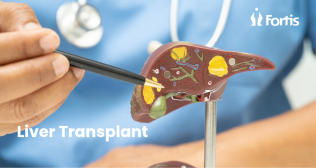
A liver transplant involves replacing a severely damaged liver with a healthy donor liver or, in selected cases, a portion of a donor liver.
Transplantation may be considered for patients with advanced liver failure, certain liver cancers and other serious liver conditions when other treatment options are no longer sufficient.
Depending on the circumstances, a transplant may involve:
- A liver from a deceased donor
- A portion of a liver from a living donor
The liver's unique ability to regenerate allows living-donor transplantation to be performed in appropriately selected cases. Both the donor and recipient undergo detailed medical assessments to determine whether the procedure is suitable and safe.
A transplant is a complex process rather than a single operation. It involves evaluation, donor-recipient matching, surgery, intensive monitoring and long-term follow-up.
What Happens During Liver Transplant Surgery?
During transplantation, the diseased liver is removed and the donor liver is placed in the recipient's abdomen. The surgical team carefully connects the donor liver's major blood vessels and bile duct to the recipient's circulation and biliary system.
Restoring blood flow is one of the critical stages of the procedure. Once the new liver receives an adequate blood supply, the transplant team monitors its function closely.
Because transplantation can involve significant blood loss, changes in circulation and other complications, patients require care from a multidisciplinary team that may include transplant surgeons, hepatologists, anaesthesiologists, intensivists, nurses, pharmacists and dietitians.
For patients researching a best liver hospital in India, it is important to look beyond the infrastructure alone. Experience in liver transplantation, transplant intensive care, specialist availability and long-term follow-up services are all important factors to consider.
Recovery After Liver Transplantation
The period immediately after transplantation requires close monitoring. Patients are generally cared for in an intensive care or specialised transplant unit before moving to a regular hospital room as their condition stabilises.
One of the major concerns after transplantation is organ rejection. The immune system naturally recognises the transplanted liver as different from the body's own tissues and may attempt to attack it.
To reduce this risk, transplant recipients are prescribed immunosuppressive medicines. These medications need to be taken exactly as prescribed, often for the long term.
Missing doses can increase the risk of rejection, while excessive immunosuppression can increase susceptibility to infections and other complications. Regular medical monitoring allows the transplant team to adjust treatment according to the patient's needs.
Nutrition and Lifestyle After Liver Surgery
Recovery does not end when a patient leaves the hospital. Nutrition, physical activity, medication adherence and regular follow-up all contribute to long-term health.
A dietitian may recommend a personalised nutritional plan based on the patient's medical condition, nutritional requirements and stage of recovery.
Depending on individual circumstances, patients may be advised to:
- Follow food-safety precautions, particularly while taking immunosuppressive medicines
- Eat a balanced diet with adequate protein and nutrients
- Limit excessive sodium, especially when fluid retention is a concern
- Maintain a healthy body weight
- Avoid alcohol unless their transplant team specifically advises otherwise
- Stay physically active as recovery progresses
- Take prescribed medicines consistently
Food restrictions are not identical for every transplant recipient, so dietary advice should come from the treating medical team rather than a generic plan.
Why Long-Term Follow-Up Matters
A liver transplant can provide an important opportunity for people with irreversible liver disease, but it does not mean that medical care is finished.
Regular follow-up helps doctors monitor:
- Liver function
- Medication levels and side effects
- Signs of rejection
- Infections
- Kidney function and other health complications
- Blood pressure, blood sugar and cholesterol
- Nutritional status
Blood tests and other investigations are performed according to the patient's condition and transplant team's recommendations.
Patients should also report concerning symptoms promptly rather than waiting for their next scheduled appointment. Fever, jaundice, significant abdominal pain, unusual bleeding, breathing difficulties or sudden changes in health may require urgent medical attention.
Choosing the Right Liver Surgery and Transplant Team
Complex liver conditions require more than an experienced surgeon. The quality of care depends on coordinated support across multiple specialties.
When evaluating a liver surgery or transplant centre, patients may consider:
- Experience in complex liver surgery
- Availability of transplant services where required
- Specialist hepatology support
- Transplant intensive care facilities
- Anaesthesia and critical-care expertise
- Diagnostic imaging and laboratory support
- Availability of multidisciplinary teams
- Structured long-term follow-up
For someone searching for a Best Hospital in Bangalore or another major city, comparing the expertise and services of different centres can help patients make a more informed decision.
Moving Forward After Liver Treatment
Recovery from serious liver disease can be a long process, particularly after major surgery or transplantation. Some patients experience improvements in energy and daily functioning as their health stabilises, although recovery varies considerably from person to person.
Returning to work, exercise and other activities should happen gradually and according to medical advice. Continuing prescribed treatment and attending follow-up appointments remain essential even when a patient feels well.
Liver surgeons and transplant teams do more than perform complex operations. They work as part of a broader medical team to determine when surgery is appropriate, manage complications and support patients throughout recovery.
Final Thoughts
Serious liver disease can significantly affect the body's ability to function normally, but modern liver surgery and transplantation have expanded treatment options for many patients. From carefully removing diseased liver tissue to replacing a failing organ, these procedures require highly specialised expertise and coordinated multidisciplinary care.
Early evaluation, appropriate treatment and long-term follow-up are key to managing advanced liver disease. If you or someone you know is experiencing symptoms of serious liver disease, consulting a qualified liver specialist can help determine the most appropriate next steps.
Categories
Clear allRelated Blogs
View all
Types of liver transplantation by Dr. Kishore GSB

Autoimmune Hepatitis a non-infectious condition: Know its Symptoms, Causes and Treatment

Hepatitis C: Symptoms, Transmission And Treatment Options

हेल्दी’ पैकेज्ड फूड में छिपा सोडियम बम: सेहत पर असर और बचाव के स्मार्ट टिप्स

Why Many Patients with Liver Cancer Are Told They Are Inoperable? And Why That Is Not Alwa...

Why Are Some Liver Cancer Patients Told They Are Inoperable?

Where to Go After an Inoperable Diagnosis? Choosing the Right Liver Cancer Specialist or C...


FAQs

Keep track of your appointments, get updates & more!

