
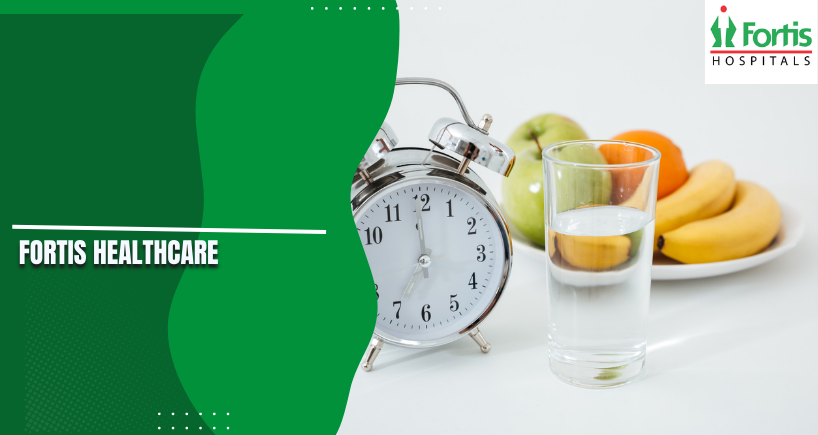


How Long Does It Really Take to Digest Your Food? Find Out Here
After enjoying a satisfying meal, we rarely think about the long, complex journey our food is about to take. Our focus is on the flavor and the feeling of fullness, but our bodies are just clocking in for a major job. A common question that arises, either from simple curiosity or due to digestive discomfort, is: how long does it take to digest food?
It is a simple question with a surprisingly complex answer. There is no single, fixed number. The digestive timeline is a dynamic process that varies dramatically from person to person and even from meal to meal. Answering "how much time does it take to digest food?" requires a journey through the digestive tract itself and an understanding of the many factors that can speed it up or slow it down.
What Is Digestion Exactly?
First, it is important to clarify what "digestion" means. Many people think of it as just the time food spends in the stomach. In reality, digestion is the entire mechanical and chemical process of breaking down food into its basic components: nutrients, which are then absorbed into the bloodstream, while the leftover waste is eliminated. This journey involves a series of organs, each with a specific role and timeline.
The Step-by-Step Digestive Timeline
The total time, from the moment a food enters your mouth to the moment its waste products are eliminated, is called the "transit time." This process can be broken down into stages.
The Mouth and Esophagus
This stage is rapid. The moment you begin chewing, digestion starts. Enzymes in your saliva begin to break down carbohydrates. Swallowing sends the food down your esophagus to your stomach, a process that takes only a few seconds.
The Stomach
This is where the first major phase of digestion occurs. Your stomach acts as a muscular grinder, churning the food and mixing it with strong acids and enzymes (like pepsin) to break down proteins.
Time: 2 to 4 hours.
The food is converted into a thick, semi-fluid pulp called chyme. Simple liquids, like water, pass through very quickly (often in minutes), while solid foods take longer. After 2-4 hours, the stomach gradually empties this chyme into the small intestine.
The Small Intestine
This 20-foot-long canal is the star of the show. This is where the real work of digestion and nutrient absorption happens. The chyme is mixed with bile from your liver (to digest fats) and enzymes from your pancreas (to break down carbs, proteins, and fats). The walls of the small intestine are lined with tiny, finger-like projections called villi, which absorb the nutrients into your bloodstream.
Time: 3 to 5 hours.
By the end of this stage, the vast majority of all nutrients from your food have been absorbed.
The Large Intestine (Colon)
Whatever is left, mostly water, electrolytes, and indigestible fiber move into the large intestine. The main job here is to absorb the remaining water and electrolytes, turning the liquid waste into solid stool. This part of the process is, by far, the slowest and most variable.
Time: 10 hours to several days.
This huge range in time is why the total answer to "how much time it takes to digest food" is so broad.
The Total Transit Time a Wide Range
When you add up all the stages, the total transit time for a meal from plate to toilet, can be anywhere from 24 to 72 hours for a person with a healthy digestive system. Shorter or longer transit times can indicate potential issues like diarrhea or constipation.
But why is that range so massive? The answer lies in the many factors that influence this highly personal process.
Key Factors That Influence Your Digestion Speed
Two people can eat the exact same meal, and one might digest it in 24 hours while the other takes 48. This variability is normal and is based on the following key factors.
The Type of Food You Eat
This is the biggest variable. Different foods are simply harder or easier for your body to break down.
Simple Carbohydrates: Sugary drinks, white bread, and fruit juices are broken down and pass through the stomach very quickly, often in under an hour.
Complex Carbohydrates and Fiber: Foods like oats, beans, and vegetables take longer. Fiber, in particular, affects the timeline. Soluble fiber (in oats, apples) absorbs water and slows digestion, while insoluble fiber (in leafy greens, whole grains) adds bulk to stool and can speed up its passage through the large intestine.
Protein: Foods like chicken, fish, and beef take longer to break down in the stomach than carbohydrates.
Fats: Fats are the slowest to digest. Foods high in fat, like cheese, fried foods, and rich desserts, significantly slow down "stomach emptying." This is why a heavy, fatty meal makes you feel "full" for much longer.
A meal that is high in fat, protein, and fiber will have a much longer digestion time than a simple, sugary snack.
Individual Health Factors
Metabolism: Your basal metabolic rate; the speed at which your body's "engine" runs can influence the speed of all your bodily processes, including digestion.
Age: Digestion often slows down as we age. The muscles in the digestive tract may move more slowly, and the stomach may produce less acid.
Genetics: Some people are simply born with a naturally faster or slower digestive system.
Lifestyle and Habits
Hydration: Water is essential for every stage of digestion. It helps dissolve nutrients and is critical for softening fiber. Dehydration can lead to constipation and slow transit time.
Physical Activity: Regular exercise is a powerful stimulant for your digestive tract. It helps move food through the large intestine more quickly and can combat constipation.
Stress: The gut-brain axis is a powerful connection. High levels of stress or anxiety can throw your digestion out of sync. For some, it causes spasms and diarrhea (speeding up transit), while for others, it can shut the system down and cause constipation (slowing it down).
Medical Conditions
Several medical conditions can dramatically alter the answer to "how much time take to digest food".
Gastroparesis: A condition where the stomach's muscles are weakened (often a complication of diabetes) and cannot empty properly, leading to very slow digestion.
Inflammatory Bowel Disease (IBD): Conditions like Crohn's disease and ulcerative colitis cause inflammation that can interfere with absorption and often speed up transit time (diarrhea).
Irritable Bowel Syndrome (IBS): Can cause either diarrhea (fast transit) or constipation (slow transit).
Thyroid Issues: An underactive thyroid (hypothyroidism) can slow down all bodily processes, including digestion, leading to constipation.
A Partnership in Your Digestive Health
As you can see, digestion is a complex and personal process, not a simple clock. Understanding the timeline helps you appreciate the incredible work your body is doing and gives your insight into why you might feel the way you do after certain meals.
Focus on supporting this vital process with a balanced diet rich in fiber, plenty of hydration, regular physical activity, and good stress management. If you have persistent concerns about your digestion, such as chronic pain, bloating, constipation, or diarrhea, it is important to speak with your doctor.
Frequently Asked Questions
Q1. How long does water stay in the stomach?
Ans. Water passes through the stomach very quickly. On an empty stomach, water can begin to empty into the small intestine almost immediately, often within 5 to 20 minutes.
Q2. Does food digest faster when you sleep?
Ans. No, it is actually the opposite. Your digestive system, like the rest of your body, slows down when you sleep. This is one reason why eating a large, heavy meal right before bed can lead to indigestion or acid reflux.
Q3. Why do I feel bloated long after eating?
Ans. This is often a sign of slow stomach emptying. It is a common complaint after eating a meal that was very high in fat or certain types of fiber, which take a long time to break down. It can also be a sign of low stomach acid or a food intolerance.
Q4. Can I speed up my digestion?
Ans. If you are experiencing constipation, you can "speed up" the transit time through your large intestine. The most effective ways are to increase your intake of insoluble fiber (from vegetables, whole grains), drink plenty of water (fiber needs water to work), and get regular physical exercise, all of which stimulate bowel regularity.
Categories
Clear allRelated Blogs
View all
When Is A Liver Transplant Recommended?
Alcoholic Liver Disease - Why Worry?

Binge Drinking Trend Is The New Silent Killer

Irritable Bowel Syndrome

Digestive Disorders And Prevention


Keep track of your appointments, get updates & more!

