


How Lymphoma Affects Daily Life: The Subtle Changes People Notice First
Most people expect cancer to announce itself clearly. A diagnosis happens, treatment begins, and life changes overnight. But lymphoma works differently. The changes creep in slowly over weeks or months. Energy levels drop bit by bit. A low-grade fever becomes the new normal. Small shifts in daily routines add up before anyone realises something serious is happening.
These early changes often get dismissed as stress, getting older, or working too hard. People push through fatigue thinking they just need a holiday. They blame night sweats on room temperature or heavy blankets. This gradual onset makes non Hodgkin's lymphoma particularly tricky to spot early.
When Tiredness Becomes More Than Just Tiredness
Fatigue ranks as one of the first changes people notice. But this is not regular tiredness that improves after a good night's sleep. It feels different. Getting through a normal workday requires enormous effort. Simple tasks like grocery shopping leave someone exhausted for hours afterwards.
Morning energy levels stay low even after sleeping eight or nine hours. Afternoons become a struggle to stay focused. The body feels heavy, and concentration slips away easily. This type of exhaustion happens because lymphoma affects how the body produces and manages blood cells, reducing oxygen transport and overall energy.
Many people try to compensate by drinking more coffee or energy drinks. They go to bed earlier hoping extra sleep will help. But the fatigue persists regardless of these efforts. It affects work performance, social activities, and even basic household tasks.
The Night Sweat Problem Nobody Talks About
Night sweats from non Hodgkin's disease differ completely from feeling warm at night. These sweats drench pyjamas and bedding so thoroughly that everything needs changing. They happen multiple times a week without any obvious trigger like room temperature or heavy blankets.
People wake up cold because their sweat-soaked clothes have cooled down. Partners notice the bedding getting wet on one side. Some people start sleeping with towels nearby or keep extra pyjamas next to the bed. The disrupted sleep adds to the fatigue already present.
These sweats occur because the immune system is reacting to abnormal cell growth. The body's temperature regulation gets disrupted. Unlike menopausal hot flushes or fever from infection, these sweats follow a persistent pattern over weeks.
Unexplained Fevers That Come and Go
Low-grade fevers often appear as an early sign of non hodgkin's lymphoma. Temperatures hover around 37.5 to 38°C without any clear infection. The fever might last a few days, disappear for a week, then return again. This on-and-off pattern confuses people trying to understand what is wrong.
Normal fever causes like flu or throat infections do not explain these recurring temperatures. Antibiotics do not help because no bacterial infection exists. The fever comes from the body's immune response to lymphoma cells growing in lymph nodes or other areas.
Some people barely notice these mild fevers. Others feel generally unwell with headaches, body aches, and that flu-like sensation without actual flu symptoms. Taking paracetamol might lower the temperature temporarily, but it returns within hours.
Weight Loss Without Trying
Unintentional weight loss happens gradually with lymphoma. Clothes start fitting loosely. The weighing scale shows a steady downward trend over several months. This happens without any deliberate dieting, increased exercise, or changes to eating habits.
The weight loss occurs because the body's metabolism changes. Cancer cells use up energy and nutrients. Appetite might decrease, making meals less appealing than usual. Some people feel full quickly after eating only small amounts. Others maintain normal appetite but still lose weight steadily.
A loss of 10% of total body weight within six months is considered significant. For someone weighing 70 kilograms, that means losing seven kilograms without any clear reason. This kind of pattern needs medical evaluation.
Swollen Lymph Nodes That Stay Enlarged
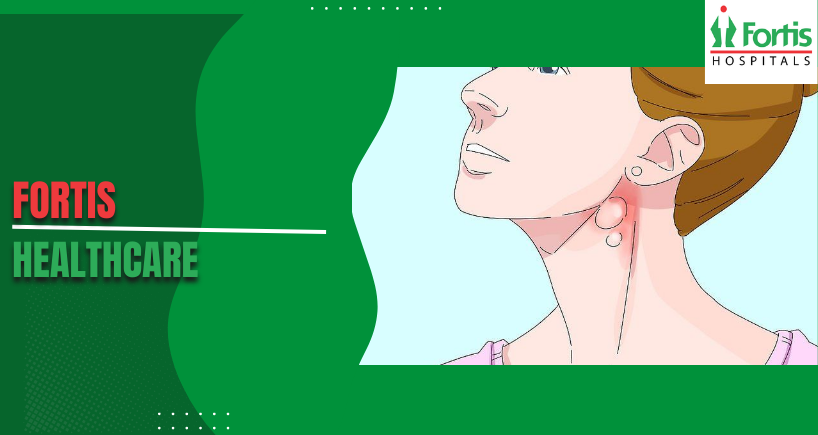
Enlarged lymph nodes often appear in the neck, armpits, or groin area. They feel like firm lumps under the skin, usually painless and movable. Unlike nodes that swell during infections and shrink after a week or two, these stay enlarged for several weeks.
The swelling might start as a single small lump. Over time, more nodes in the same area or different areas become noticeable. Some people discover them while showering or applying lotion. Others notice them when wearing tight collars or certain clothing.
The types of NHL determine where nodes typically swell first. Some subtypes affect neck and chest nodes initially. Others start in abdominal nodes that cannot be felt from outside. The lack of pain often delays medical evaluation because painless lumps seem less urgent.
Changes in How the Body Responds to Illness
People with developing non hodgkin's disease often notice they catch colds or infections more frequently. Minor infections take longer to clear up. Small cuts or scrapes heal slower than before. This happens because the lymphatic system is not working properly.
The immune system becomes less effective at fighting off common germs. What used to be a three-day cold now lasts ten days. Throat infections that previously cleared with rest now need antibiotics. The body's normal defence mechanisms are compromised by abnormal lymphocytes crowding out healthy immune cells.
Some people develop unusual infections they never had before. Others notice that vaccines or routine medical procedures take longer to recover from than expected. These subtle immune system changes add to the overall feeling that something is not right.
How Daily Activities Get Affected
Hodgkin's and non Hodgkin's lymphoma both impact everyday routines in noticeable ways. Climbing stairs becomes more tiring. Walking distances that used to be easy now require breaks. Exercise routines that were manageable before suddenly feel impossible to complete.
Concentration at work suffers. Reading reports or focusing during meetings becomes harder. Memory feels less sharp. People find themselves forgetting appointments or struggling to recall details they normally remember easily. This cognitive impact stems from fatigue, disrupted sleep, and the body dealing with disease.
Social activities get cancelled more often. Evening plans feel too exhausting to attend. Weekend activities require more rest time than actual activity time. Friends and family might notice someone becoming less available or seeming withdrawn without understanding why.
When to Consider Medical Evaluation
Several of these changes happening together over several weeks suggests the need for medical assessment. A single symptom like fatigue or occasional night sweats might not mean much. But multiple persistent symptoms occurring simultaneously deserve attention.
Swollen nodes lasting more than three weeks combined with unexplained weight loss and fevers create a pattern worth investigating. Fatigue that interferes with normal daily activities plus recurring night sweats warrant medical evaluation. These combinations increase the likelihood of something significant causing the symptoms.
Early evaluation leads to earlier diagnosis if lymphoma is present. The non hodgkin's lymphoma treatments available today work better when disease is caught earlier. Waiting to see if symptoms improve on their own often delays diagnosis unnecessarily.
Understanding the Diagnostic Process
Doctors start with physical examinations and medical history discussions. They check for enlarged nodes in multiple body areas. Blood tests reveal if cell counts are abnormal. Imaging scans show internal nodes that cannot be felt externally.
If findings suggest possible non lymphatic hodgkin's disease, a biopsy becomes necessary. This involves removing tissue from an enlarged node for examination. The pathology results determine whether lymphoma is present and identify the specific subtype affecting the patient.
The complete diagnostic process typically takes two to four weeks. During this time, keeping track of symptom patterns helps doctors understand disease progression. Noting when sweats occur, temperature readings, weight measurements, and energy levels provides valuable information.
Life After Diagnosis and During Treatment
Once diagnosis confirms lymphoma, NHL treatment plans address the specific subtype present. Some people start treatment immediately. Others with slow-growing disease might monitor without active treatment initially. Treatment schedules vary from weekly chemotherapy sessions to monthly cycles depending on the regimen chosen.
Daily life adjusts around treatment schedules and managing side effects. Energy levels often drop further during active treatment before improving. Work schedules might need modification. Support from family and friends becomes more important.
Recognising What the Body Is Communicating
The subtle changes that happen with non hodgkin's lymphoma are the body's way of signalling that something needs attention. Persistent tiredness, recurring fevers, drenching sweats, and weight loss create a pattern. Recognising this pattern early allows for prompt medical evaluation.
Understanding these early signs helps people seek medical care sooner rather than dismissing symptoms as normal life stress. The sooner evaluation happens, the sooner appropriate treatment can begin if needed. Paying attention to what the body communicates makes a significant difference in getting timely diagnosis and care.
Categories
Clear allRelated Blogs
View all










Keep track of your appointments, get updates & more!

