
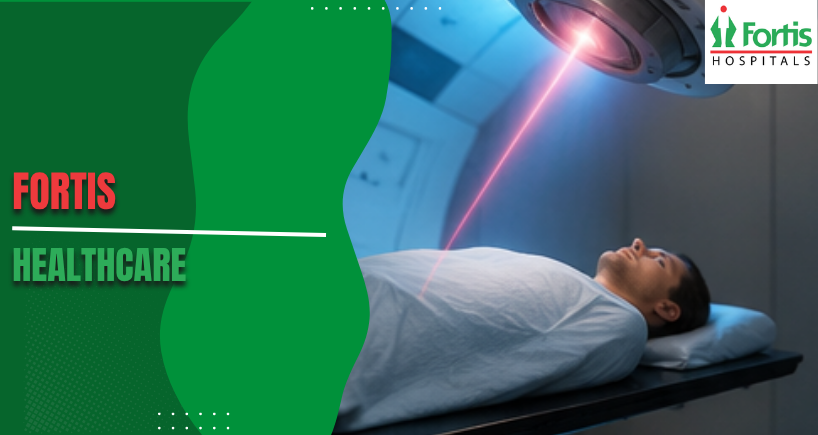


How Proton Therapy Benefits Patients with Recurrent Head and Neck Cancers
Head and neck cancers are already challenging during the first treatment course, but when they return, management becomes far more complex. Scarred tissue, reduced tolerance to radiation and the proximity of critical structures like the spinal cord, optic nerves and salivary glands make second line therapy difficult. Many patients are told that repeating standard radiation may harm healthy tissue more than before. This is where proton therapy becomes a strong consideration, especially for recurrent tumors that need precise treatment without overwhelming sensitive areas that have already faced radiation once.
This approach uses proton beams to target cancer with high accuracy. While conventional radiation passes through the body, protons can release most of their energy at a planned depth. This allows doctors to focus treatment more carefully on difficult locations. For many patients, this form of radiotherapy offers the possibility of disease control while preserving speech, swallowing function and quality of life.
Why Recurrence Changes the Treatment Plan
When a cancer returns to the same area, tissues are less forgiving. Nerves may be fragile, jaw bone may be weaker and previous radiation limits how much dose can be safely delivered again. Recurrent disease is not necessarily a failure, but it signals that treatment must be planned more thoughtfully than the first time.
Two key challenges usually appear:
- Remaining healthy tissue has lower tolerance
- Tumor might be closer to vital structures than before
Conventional radiotherapy still works well for many cases, but in recurrence, dose must be restricted. This is why proton treatment often becomes suitable. The beam stops more predictably at a target depth, which means less radiation spreads to surrounding organs. Patients with previous surgery or radiation scarring often tolerate protons better than expected.
How Proton Therapy Works for Head and Neck Tumors
In simple terms, protons behave differently inside the body. They travel forward and deposit most of their radiation energy at a select depth called the Bragg Peak. Doctors choose that depth based on imaging. This prevents unnecessary exit dose beyond the tumor, something photon radiation cannot avoid completely.
A typical treatment process includes imaging scans, simulation planning and daily treatment sessions across several weeks. The patient lies still while the beam is delivered from planned angles. There is no cutting or incision, and sessions are usually painless. Many patients continue daily activities with only mild discomfort.
Although the public often hears more about proton therapy for prostate cancer or reads about proton treatment for prostate cancer, head and neck cases benefit from the same fundamental precision. The difference lies in the anatomy. Here, nerves control swallowing, hearing, breathing and facial movement. Precision becomes essential, not optional.
Which Patients Benefit the Most
Not every recurrent tumor requires protons, but certain cases show improved suitability. A short framework below may help interpret when proton therapy becomes more advisable.
Considered favourable when
- Tumor is close to spinal cord or salivary glands
- Past radiation limits further photon dose
- Swallowing or speech function needs protection
- Location lies near optic nerves or brainstem
- Soft tissue scarring complicates surgery
Requires thorough evaluation when
- Disease is widely metastatic
- Patient cannot tolerate immobilisation
- Tumor involvement is deep and diffuse
Each case is individual. Radiation oncologists study imaging, biopsy behaviour, previous dose exposure and organ safety limits before recommending protons.
Comparing Proton Therapy With Conventional Radiation
Below is a basic comparison model that is often explained to patients during consultation.
Aspect
Proton Therapy
Conventional Radiation
Exit dose
Minimal or none after target
Continues beyond tumor
Tissue protection
Higher near critical nerves
Lower, depending on field
Suitability in recurrence
Often preferred
Sometimes limited
Side effects
Potentially reduced
Can increase in re-radiation
Reduced exposure to salivary glands may lower risk of dry mouth. Protecting optic pathway reduces vision related side effects. Preserving swallowing muscles can maintain nutrition and speech. These details matter because quality of life is sometimes as important as survival in recurrent cases.
Expected Outcomes and Recovery Pattern
Response varies based on tumor type, stage and overall health. Some patients achieve good local control, while others experience slower tumour regression. Improvement is usually assessed through imaging after therapy completion. Swallow therapy and dietary adjustments support recovery during and after treatment. Fatigue may appear in treatment weeks, but often improves gradually.
Patients often report:
- Less pain while swallowing over time
- Improvement in speech clarity
- Better appetite once inflammation reduces
- More confidence in daily interactions
Results do not appear overnight. Progress takes weeks or months, but the direction often encourages hope, especially when earlier treatment options seemed limited.
Side Effects That May Occur
Although proton treatment is designed to reduce toxicity, it is still radiation. Some side effects may appear.
Common possibilities include:
- Fatigue
- Mild sore throat
- Temporary skin darkening in treated area
- Taste changes
- Dry mouth in some cases
These are usually manageable through supportive medication, hydration, soft diet and speech or swallowing therapy. More serious side effects are uncommon but not impossible. Regular monitoring ensures safe continuation.
The Often Asked Question About Alternate Use
Many families search online for both cancer and psychiatric therapy options in the same session. The phrase proton therapy is different from TMS treatment or TMS for depression, though both appear frequently under medical advancements. One works on oncology, the other on neurostimulation. Keeping these areas separate helps reduce confusion during treatment discussions.
Where Proton Therapy Is Available
Proton therapy facilities are still limited in India compared to photon units. It is performed only at select advanced centres. Major Fortis networks referring or supporting head and neck proton planning may include locations such as:
- Fortis Hospital, Bannerghatta Road Bengaluru
- Fortis Memorial Research Institute Gurgaon
- Fortis Hospital, Mulund Mumbai
- Fortis Hospital, Noida Uttar Pradesh
Location decision usually depends on oncology board review, proximity to patient residence and clinical need for precision based radiotherapy.
Closing Note
Recurrent head and neck cancer brings difficult choices. Standard radiation may not always be safe as a second exposure. Surgery may not be feasible. In these moments, proton therapy offers a carefully targeted option. The goal is not only tumour control, but also preserving voice, swallowing, nutrition and dignity in everyday communication. Even small functional improvements matter when life revolves around speech and food.
Patients and families who feel uncertain may begin with a simple discussion. A treatment board evaluates imaging, reviews history and explains expected benefit honestly. With clarity, fear reduces and recovery feels possible again.
If you require evaluation or wish to understand whether proton therapy is suitable for a recurrent case, you may connect with specialists at Best Hospital in India for an informed, personalised opinion.
Categories
Clear allRelated Blogs
View all








FAQs

Keep track of your appointments, get updates & more!

