
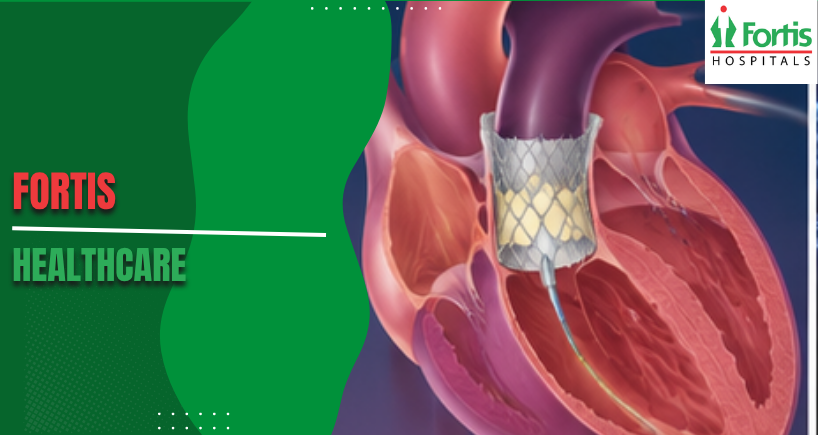


How TAVR Benefits High Risk Patients with Multiple Comorbidities
For many patients with severe aortic valve disease, the question is no longer whether treatment is needed, but whether the body can tolerate it. People living with advanced age, diabetes, kidney disease, lung problems, or prior heart conditions often fall into a category doctors describe as high risk. In these patients, symptoms like breathlessness, chest discomfort, or repeated hospital admissions slowly become part of daily life. Conventional open-heart surgery may offer valve replacement, but the physical stress of such an operation can be difficult, sometimes unsafe, for bodies already carrying multiple medical burdens.
This is where transcatheter aortic valve replacement has changed clinical decision-making. The TAVR procedure offers a less invasive way to treat severe aortic stenosis, especially for patients whose overall health makes traditional surgery a high-risk option. Its value lies not only in replacing a diseased valve, but in doing so with reduced physiological strain.
Understanding High-Risk Status in Aortic Valve Disease
High-risk patients are not defined by age alone. Risk is determined by a combination of factors that increase the chance of complications during or after surgery. These include heart function, lung capacity, kidney health, mobility, and the presence of chronic conditions.
Common comorbidities seen in high-risk patients include:
- Chronic obstructive pulmonary disease
- Chronic kidney disease
- Diabetes with organ involvement
- Prior heart surgeries or stents
- Frailty or limited physical reserve
- History of stroke or vascular disease
When several of these exist together, recovery from open surgery becomes unpredictable. Even when surgery is technically successful, prolonged ventilation, infections, or delayed rehabilitation may follow.
Why Traditional Surgery Is Challenging in These Patients
Open surgical aortic valve replacement requires general anesthesia, chest incision, and cardiopulmonary bypass. Each step places stress on multiple organ systems. In patients with limited reserve, this stress can trigger complications that outweigh the benefits of valve replacement.
Challenges include:
- Difficulty weaning from ventilators in patients with lung disease
- Worsening kidney function after bypass
- Higher risk of infections and bleeding
- Longer hospital stays and rehabilitation
For some patients, these risks previously meant living with untreated valve disease and declining quality of life. The introduction of TAVR surgery has altered this balance.
What Makes the TAVR Procedure Different
The TAVR procedure replaces the diseased aortic valve using a catheter, usually inserted through the femoral artery in the groin. The new valve is positioned inside the old one without removing it. This approach avoids opening the chest and often avoids cardiopulmonary bypass.
Key features include:
- Smaller access points rather than large incisions
- Shorter procedure time
- Reduced blood loss
- Less impact on surrounding organs
For high-risk patients, these differences translate into a lower overall physiological burden.
Benefits of TAVR in Patients With Multiple Comorbidities
Reduced Surgical Stress
Because TAVR avoids open surgery, the body experiences less trauma. This matters in patients whose organs are already functioning at reduced capacity. Less stress means fewer cascades of inflammation, which can otherwise worsen existing conditions.
Faster Stabilisation After the Procedure
Many patients undergoing TAVR are able to sit up, eat, and walk within a day. Early mobilisation reduces the risk of complications such as pneumonia, blood clots, and muscle deconditioning. In contrast, prolonged bed rest after open surgery can be particularly harmful in frail individuals.
Better Tolerance in Lung and Kidney Disease
Patients with lung disease often struggle with prolonged anesthesia and ventilation. TAVR can often be performed under conscious sedation, allowing patients to breathe on their own. Similarly, reduced use of bypass lowers the risk of acute kidney injury, a common concern in patients with pre-existing renal disease.
Symptom Relief Without Prolonged Recovery
Severe aortic stenosis limits blood flow from the heart, leading to fatigue, dizziness, and breathlessness. Relief of valve obstruction often leads to noticeable symptom improvement within weeks. For patients with multiple comorbidities, this improvement can restore independence and reduce hospital admissions.
Evidence Supporting TAVR in High-Risk Groups
Clinical trials and real-world registries have consistently shown that TAVR provides survival and symptom benefits comparable to surgery in high-risk populations. Over time, data has expanded to include intermediate and even selected low-risk patients. However, its role in high-risk groups remains particularly compelling.
Categories
Clear allRelated Blogs
View all







FAQs

Keep track of your appointments, get updates & more!

