


How TAVR Surgery Helps Patients with Severe Aortic Stenosis Avoid Open-Heart Surgery
Severe aortic stenosis is a serious heart condition that can make even simple tasks feel impossible. It happens when the heart's main valve narrows, restricting blood flow to the rest of the body. For decades, the only way to fix this was through open-heart surgery, a major operation that wasn't an option for everyone, especially older adults or those with other health issues.
But today, there is a powerful alternative. TAVR surgery, or Transcatheter Aortic Valve Replacement, is a minimally invasive procedure that has completely changed the game. It allows doctors to replace the damaged valve without opening the chest, offering new hope and a much easier road to recovery.
Why Aortic Stenosis Is a Serious Problem
The aortic valve is the heart's main doorway. It opens to let oxygen-rich blood flow out to your body and closes to keep it from flowing backward. With aortic stenosis, this doorway becomes stiff and narrow, usually due to calcium buildup over time. Your heart has to work much harder to pump blood through this small opening.
Eventually, this extra work takes a toll. You might start feeling short of breath, dizzy, or have chest pain. If left untreated, severe aortic stenosis can lead to heart failure. The good news is that replacing the valve fixes the mechanical problem, and TAVR surgery offers a way to do this that is much gentler on the body.
How the TAVR Procedure Works
The most remarkable thing about the TAVR procedure is how it's done. Instead of a large incision in the chest, the doctor uses a thin, flexible tube called a catheter.
Here is usually how it happens:
- Access: The doctor makes a tiny cut, most often in the leg (groin area), to access a major artery.
- Guidance: Using advanced imaging, they thread the catheter through your blood vessels until it reaches your heart.
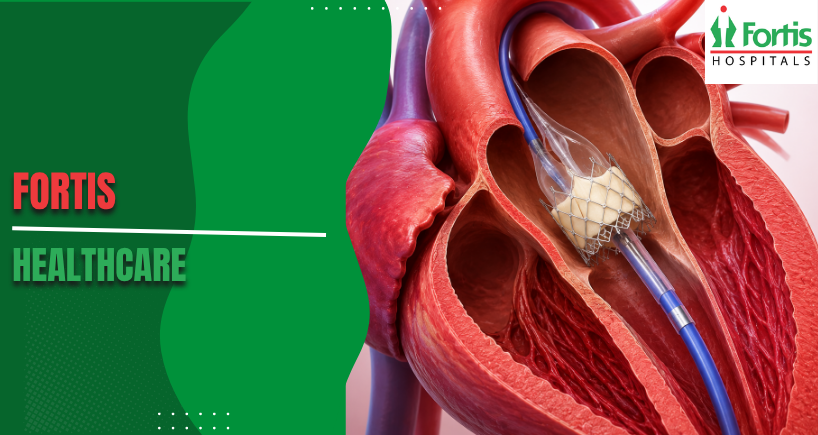
- Replacement: A new, collapsible valve is compressed inside the tip of the catheter. Once it's positioned inside your old, narrowed valve, the doctor expands it.
- Function: The new valve pushes the old valve leaflets aside and takes over the job immediately, restoring normal blood flow.
The whole process typically takes about an hour or two. You are usually awake but sedated, so you don't feel pain. It is pretty amazing to think that a heart valve can be replaced while your heart is still beating, without needing a heart-lung machine.
Who Is a Good Candidate for TAVR?
Originally, TAVR surgery was reserved for patients who were too sick for open-heart surgery. But because it has been so successful, it is now an option for many more people. It is often recommended for:
- Older adults (usually over 65 or 70).
- People who have other health conditions that make open surgery risky.
- Patients who want a faster recovery and less invasive option.
Your heart team will look at your specific anatomy and overall health to decide if TAVR surgery is the best choice for you.
A Smoother and Faster Recovery
One of the biggest benefits of TAVR procedure is the recovery. Because there is no large chest incision and no need to stop the heart, your body heals much faster.
TAVR Procedure Recovery Timeline
- Hospital Stay: Most patients go home within just 1 to 2 days. Some even go home the next day.
- Back to Routine: You can usually get back to your normal daily activities within a few days to a week.
- Symptom Relief: Many people feel an immediate improvement in their breathing and energy levels.
Compared to open-heart surgery, which can take weeks or months for full recovery, TAVR procedure recovery is significantly quicker. It gets you back to living your life sooner.
Finding Expert TAVR Care
This procedure requires a highly skilled team and advanced technology. You want to be in a place that has a lot of experience with heart valves. They have a dedicated TAVR program with some of the most experienced interventional cardiologists and cardiac surgeons in the country. Their team approach ensures that every patient gets a comprehensive evaluation to determine the safest and most effective treatment plan.
A New Lease on Life
Severe aortic stenosis doesn't have to limit your future. TAVR surgery offers a safe, effective, and less invasive way to fix your heart valve and restore your health.
If you or a loved one has been diagnosed with this condition, it is worth asking about TAVR. It might just be the solution that helps you get back to doing the things you love, with a heart that’s ready for the journey.
Categories
Clear allRelated Blogs
View all








FAQs

Keep track of your appointments, get updates & more!

